







The Monsoon's Economic Ripple Effect
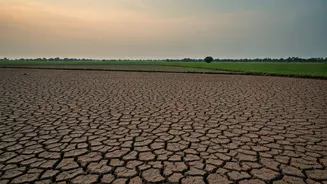
The 2026 southwest monsoon has had a shaky start. After a June that was one of the driest in over a century, the India Meteorological Department (IMD) has now forecast below-normal rainfall for July across most of the country. This isn't just a weather
report; it's an economic forecast. An uneven monsoon, marked by long dry spells and sudden heavy downpours, disrupts agriculture, which employs nearly half of India's workforce. Delayed sowing and uneven rainfall can shrink the output of essential kharif crops like rice, pulses, and vegetables. When supply tightens, prices inevitably rise. This direct hit on food inflation is the first and most obvious way the monsoon meddles with your money.
Beyond the Grocery Bill
The financial impact of a weak monsoon extends far beyond the vegetable market. Water scarcity affects everything. Lower reservoir levels can impact hydropower generation, potentially leading to higher electricity tariffs as distribution companies rely on more expensive power sources. Many urban and semi-urban households may face increased spending on private water tankers. Furthermore, the monsoon season often brings a spike in water-borne diseases like dengue and malaria. An increase in doctor's visits, medicines, and potential time off work represents an unexpected financial drain. Higher humidity also leads to increased use of air conditioners and dehumidifiers, further pushing up electricity bills.
Why Your Old Budget Won't Work
For many, budgeting is a casual affair—a rough mental calculation of income versus major expenses. This approach works when costs are stable and predictable. But an uneven monsoon introduces volatility. You can no longer assume your grocery bill will be the same as last month's, or that your utility expenses will stay flat. Relying on a casual budget in such a scenario is like navigating a storm without a map. Unexpected price shocks can force you to dip into long-term savings, accumulate credit card debt, or cut back on essential spending. The season demands a more deliberate and proactive approach to managing your finances.
Step One: Track and Anticipate
The first step toward a monsoon-proof budget is awareness. Start by meticulously tracking your spending for a month to understand where your money is truly going. Identify categories that are most vulnerable to price hikes: groceries (especially vegetables, pulses, and dairy), electricity, water, and health. Once you have this baseline, you can anticipate changes. Read up on which commodity prices are expected to rise. For instance, lower output of soybeans could mean costlier edible oils. This isn't about predicting the exact price of tomatoes; it's about acknowledging the risk and preparing for general upward pressure on your expenses.
Step Two: Build a 'Monsoon Buffer'
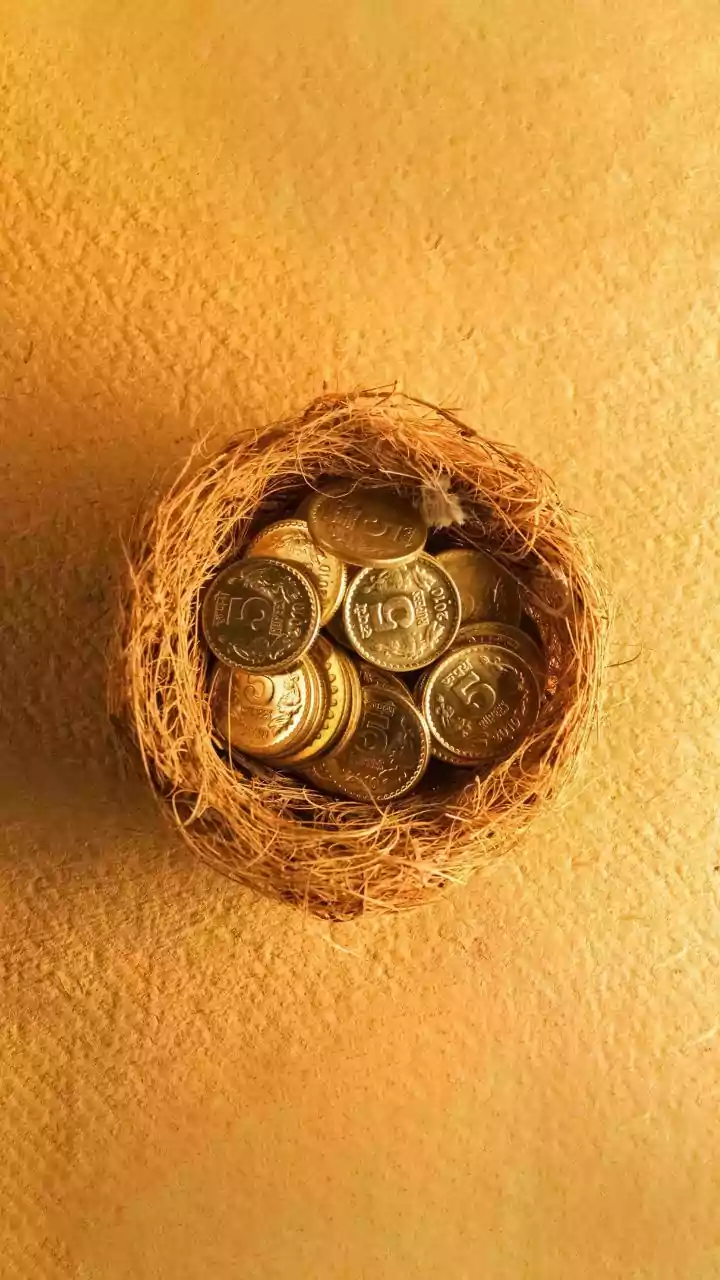
An emergency fund is for major life crises, but a smaller, more accessible 'buffer' fund can help you absorb seasonal price shocks without derailing your financial goals. Think of this as a specific provision for monsoon-related expenses. Aim to set aside an amount that can cover a 15-20% increase in your volatile expense categories for the next three to four months. You can build this by temporarily cutting back on non-essential spending, like dining out or subscriptions. Having this cushion means a sudden spike in your electricity bill or grocery costs becomes a manageable inconvenience rather than a financial crisis.
Step Three: Practice Smart Consumption
Finally, adapt your consumption habits. This is the time to embrace seasonal and locally available vegetables, which are likely to be cheaper. Plan meals to reduce food waste. Be mindful of electricity and water usage at home; simple habits like fixing leaks and switching off appliances can make a tangible difference. Review your discretionary spending—the small, frequent purchases that add up. Postponing large, non-critical purchases until the economic picture becomes clearer can also free up cash flow to handle immediate needs. The goal is not deprivation, but conscious spending to navigate a period of uncertainty.