







Why Your Digestion Slows in Monsoon
According to Ayurveda, the rainy season, or 'Varsha Ritu', is a time when our digestive fire, known as 'Agni', naturally weakens. The increased humidity and dampness in the environment can make our digestive system sluggish and more susceptible to issues
like bloating and indigestion. This is why traditional wisdom advises eating light, warm, and easily digestible foods. Heavy, oily, and cold foods can overburden the system, leading to discomfort and lethargy. Opting for lighter meals helps keep your energy levels stable and supports overall gut health during this sensitive season.
The Nutritional Power of Sprouted Moong
Whole green moong is already a nutritional powerhouse, but sprouting transforms it into a superfood. The process of sprouting dramatically increases the bioavailability of nutrients, meaning your body can absorb them more easily. Sprouted moong is an excellent source of plant-based protein, dietary fiber, and essential vitamins like C and K. Sprouting also boosts the content of enzymes, which aid in digestion, making it exceptionally gentle on a sluggish monsoon stomach. It's low in calories, helps in weight management, and strengthens the immune system, making it an ideal ingredient for staying healthy and energetic.
How to Sprout Green Moong at Home
Making your own sprouts is simple and ensures freshness. Start by rinsing half a cup of whole green moong beans thoroughly. Soak them in ample water for at least 6-8 hours or overnight. After soaking, drain the water completely and rinse the beans again. Place the drained beans in a muslin cloth, a sprout maker, or even a jar covered with a breathable cloth. Keep them in a warm, dark place for a day or two, rinsing them once or twice a day to maintain moisture. You will soon see small white tails emerging from the beans—your fresh, crunchy sprouts are ready to use. For food safety, you can briefly boil or steam the sprouts for a few minutes before eating.
Building Your Perfect Monsoon Bowl
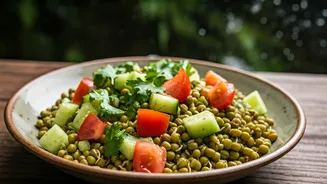
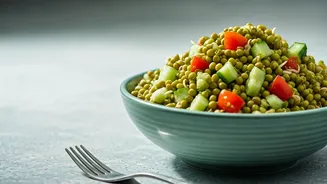
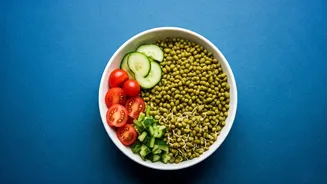
The beauty of a lunch bowl lies in its versatility. Start with a generous base of your freshly sprouted green moong. To this, add a variety of finely chopped, seasonal vegetables that are easy to digest. Think cucumber, tomatoes (deseeded), and perhaps some steamed carrots or beets. The key is a mix of textures—soft sprouts, crunchy vegetables. For the dressing, keep it light and flavourful. A simple mix of lemon juice, a pinch of black salt (kala namak), and roasted cumin powder works wonders. Finally, add a topping for extra crunch and nutrition, like a spoonful of roasted peanuts or pomegranate seeds.
Three Lunch Bowl Ideas to Get You Started
1. The Classic Chaat Bowl: Toss your sprouted moong with chopped onion, tomato, and boiled potato. Season with chaat masala, a squeeze of lime, and a drizzle of tamarind chutney for a tangy, savoury kick. Garnish with fresh coriander. 2. The South Indian Sundal Bowl: Lightly temper mustard seeds, curry leaves, and a pinch of asafoetida (hing) in a little oil. Add your steamed sprouts and some freshly grated coconut. It’s a warm, comforting, and flavourful preparation. 3. The Fresh Herb & Veggie Bowl: Combine sprouts with chopped cucumber, grated carrots, and a generous amount of fresh mint and coriander leaves. For the dressing, whisk together lemon juice, a bit of grated ginger, and a finely chopped green chilli for a refreshing and zesty meal.