
What Are Cool Roof Coatings?
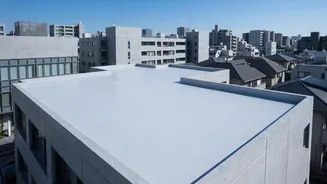
A cool roof coating is much more than a simple layer of white paint. It's a high-performance, liquid-applied material specifically engineered to combat the sun's heat. These coatings are typically made from acrylic, silicone, or polyurethane bases mixed
with special reflective pigments. The primary job of these coatings is to reflect a high percentage of sunlight away from the roof, a property known as solar reflectance. At the same time, they are designed to efficiently release any heat that does get absorbed, a quality called thermal emittance. A conventional dark-coloured roof absorbs sunlight and can reach scorching temperatures, transferring that heat directly into the home below. In contrast, a cool roof can stay significantly cooler—by as much as 28°C on a hot afternoon—dramatically reducing the amount of heat that penetrates your living space.
The Key Benefits: Comfort and Cost Savings
The most immediate benefit of a cool roof is a noticeable drop in indoor temperature. Studies and pilot projects, including several in Indian cities like Hyderabad and Ahmedabad, have shown that cool roofs can lower indoor temperatures by 2°C to 5°C. For households without air conditioning, this provides crucial relief during intense heatwaves. For those with AC, the impact is felt on the electricity bill. By reducing the heat load on the building, air conditioners don't have to work as hard or as long to maintain a comfortable temperature. This can lead to significant energy savings, with estimates ranging from 10% to 30% on cooling costs. Furthermore, these coatings protect the roof material itself from constant expansion and contraction caused by extreme temperature changes and shield it from harsh UV radiation, potentially extending the lifespan of your roof.
A Greener Choice for Indian Cities
The advantages of cool roofs extend beyond a single building. When widely adopted, they help combat the 'urban heat island' effect, a phenomenon where cities become significantly warmer than surrounding rural areas due to the concentration of heat-absorbing surfaces like dark roofs and asphalt. By reflecting sunlight back into the atmosphere, cool roofs help lower the ambient temperature of entire neighbourhoods. This collective cooling reduces the strain on the city's power grid, especially during peak afternoon hours, and lowers overall energy consumption, which in turn cuts down on greenhouse gas emissions. Recognizing these benefits, cool roofs have been included as a key strategy in India's National Cooling Action Plan, with various state and city governments actively promoting their adoption.
What to Consider Before Application
While highly effective, a few factors should be considered. The initial cost of a specialized cool roof coating is higher than standard paint, but it should be viewed as a long-term investment that pays off through energy savings. The effectiveness of the coating is also dependent on its cleanliness; a layer of dust and grime will reduce its reflectivity. Regular cleaning, perhaps once a year before the peak summer season, is recommended to maintain performance. Proper application is also critical. The roof surface needs to be thoroughly cleaned and prepared before the coating is applied to ensure it adheres properly and performs as expected. Different types of coatings, such as acrylic or silicone, have different properties regarding durability and water resistance, so it's wise to choose one suited to your specific roof type and local climate.
Choosing the Right Product
When shopping for a cool roof coating, the most important metric to look for is the Solar Reflectance Index (SRI). SRI is a value that incorporates both solar reflectance and thermal emittance into a single number to measure a roof's overall coolness. The higher the SRI value, the better the product's cooling performance. An SRI value of 78 or higher is generally considered excellent for green building standards. Always check the product's technical data sheet for its certified SRI value before purchasing. Reputable manufacturers will have this information readily available. You can also look for products that comply with standards from bodies like ENERGY STAR or the Cool Roof Rating Council (CRRC) for an added layer of assurance about their performance claims.