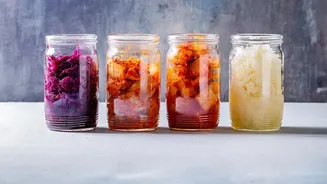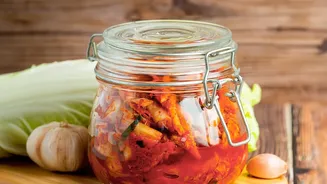

The Ancient Art of Fermentation
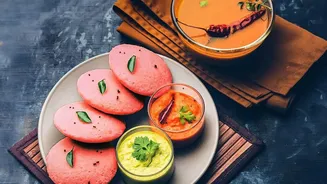
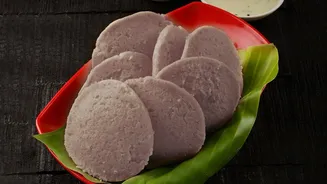
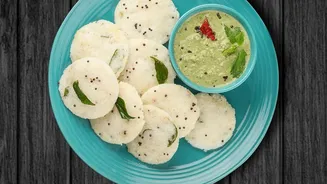
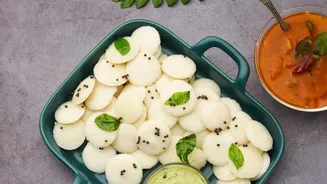
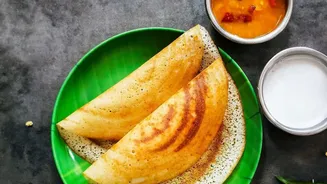
For generations, the process of soaking, grinding, and fermenting rice and dal has been a cornerstone of South Indian cuisine. This isn't just for flavour and texture; it's a powerful form of biotechnology known as bio-fermentation. At its core, fermentation is a process where
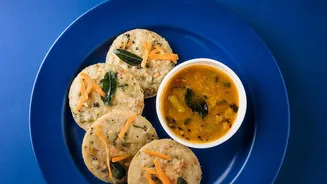
beneficial microorganisms, like bacteria and yeasts, break down complex components in food. In the case of idli or dosa batter, naturally occurring lactic acid bacteria go to work, transforming a simple mix of rice and lentils into a nutrient-dense, easily digestible meal. This traditional wisdom, passed down through kitchens, empirically discovered what modern science now confirms: fermentation unlocks a world of nutritional value.
Unlocking Essential Nutrients
One of the most significant benefits of fermentation is how it makes nutrients more available to our bodies, a concept known as bioavailability. Many plant-based foods, including grains and lentils, contain 'anti-nutrients' like phytic acid. Phytic acid binds to essential minerals such as iron, zinc, and calcium, preventing them from being absorbed during digestion. The fermentation process works wonders here. The lactic acid produced by bacteria lowers the batter's pH, which in turn activates enzymes called phytases. These enzymes break down phytic acid, effectively 'unlocking' the minerals and making them readily available for your body to use. Studies show this process can dramatically increase the absorption of minerals, helping to prevent deficiencies and support overall health.
A Natural Boost of Vitamins and Protein
The microbial magic doesn't stop at minerals. During fermentation, the hardworking bacteria also synthesize essential vitamins, particularly those from the B-group, like B1 and B12. These vitamins are crucial for energy production and brain function. Furthermore, the process pre-digests the complex carbohydrates and proteins in the rice and dal batter. This breakdown makes the resulting food much easier on the stomach, reducing the likelihood of bloating or heaviness after a meal. The protein quality is also enhanced, making fermented foods like idli and dosa an excellent source of complete protein, especially for vegetarian diets.
A Feast for Your Gut Microbiome
In today's health conversations, the gut microbiome is king, and fermented foods are its royal subjects. Traditionally prepared idli and dosa are considered natural probiotics, delivering live, beneficial bacteria to your digestive system. These good bacteria, predominantly from the Lactobacillus family, help restore balance to your gut flora. A healthy gut microbiome is linked to a host of benefits, including smoother digestion, reduced constipation, and a stronger immune system, since a large portion of our immunity resides in the gut. By nourishing your gut with these foods, you're not just eating a meal; you're supporting a complex internal ecosystem vital for long-term health.
Beyond Idli and Dosa
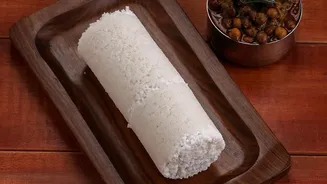
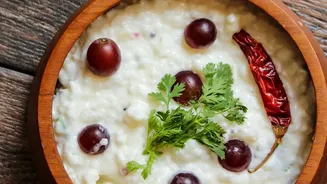
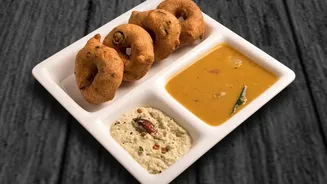
While idli and dosa are the most famous examples, bio-fermentation is a recurring theme across South Indian cuisine. Appam, the lacy pancake made with fermented rice batter and coconut milk, offers similar benefits. Neer mor (spiced buttermilk) and curd rice are other excellent examples, providing both probiotics and a soothing effect on the digestive system, especially in warm climates. Even Pazhaya Soru, a traditional dish of fermented leftover rice, is a probiotic powerhouse that has sustained communities for centuries, offering hydration and B vitamins. These dishes are a testament to a culinary heritage that intuitively mastered the art of making food both delicious and deeply nourishing.