



The New Deciding Factor in Travel
For decades, choosing a holiday destination involved a predictable checklist: flight prices, hotel availability, and local attractions. Today, there's a new, crucial item at the top of that list for Indian travellers: the visa process. A complex, lengthy,
and expensive visa application can be a significant deterrent, filled with uncertainty and paperwork. In response, travellers are increasingly voting with their feet, prioritising countries that offer a smoother entry. Destinations with visa-free access, visa-on-arrival facilities, or streamlined e-visa systems are gaining a competitive edge, transforming tourism flows and proving that a welcoming policy is a powerful magnet. This shift signals that for many, the holiday begins with a stress-free planning process, not after a nail-biting wait for a visa stamp.
Why Simplicity and Spontaneity Win
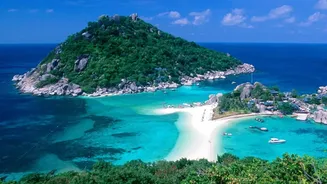
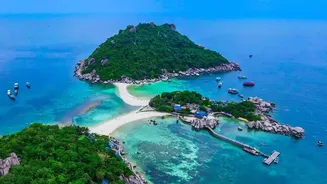
The preference for visa convenience is driven by a desire for flexibility and reduced pre-trip anxiety. Younger generations, in particular, are leading this trend, favouring spontaneous trips that are hard to plan when facing long visa appointment wait times. The appeal is simple: removing the visa hurdle lowers the barrier to travel, making impromptu getaways possible. Countries like Thailand, which temporarily lifted visa requirements for Indian tourists, saw bookings surge. This trend is not just about avoiding paperwork; it’s about a fundamental change in how people want to travel. The modern traveller values experiences over bureaucracy and seeks the freedom to book a trip just days in advance, a luxury that visa-friendly policies provide.
The Rise of E-Visas and Visa-on-Arrival
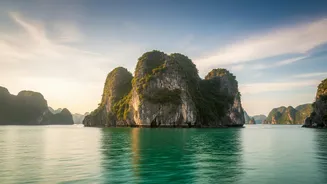
Understanding the different types of simplified entry is key. Visa-free is the gold standard, allowing entry with just a valid passport for a specified duration. Countries like Nepal, Bhutan, and Mauritius have long offered this to Indian citizens. Visa-on-arrival (VoA) is another popular option, where travellers get their visa upon landing at the airport, often by filling out a form and paying a fee. Destinations like the Maldives and, at times, Thailand and Indonesia, use this system effectively. The third and rapidly expanding category is the e-visa. This allows travellers to apply and pay online in advance, receiving an electronic authorisation to travel. Countries like Vietnam, Sri Lanka, and recently Japan have embraced e-visas, simplifying the process without completely removing the pre-travel check. These systems collectively reduce embassy visits and make international travel significantly more accessible.
Countries Cashing In on Convenience
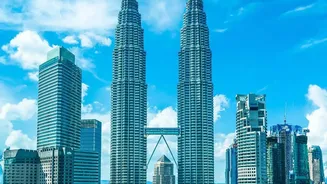
Several countries have recognised the immense economic potential of simplifying visa rules for the booming Indian travel market and are reaping the rewards. Malaysia, Thailand, and Sri Lanka recently made headlines by offering visa-free entry, leading to a significant uptick in interest and bookings from India. Similarly, Kenya and Iran also announced visa-free policies. In Europe, countries like Albania and Serbia have offered visa-free access, while even the Schengen Area has moved to offer longer-term, multiple-entry visas to frequent Indian travellers to encourage repeat visits. Russia's introduction of a simplified e-visa saw Moscow become a trending destination, with Indian tourist arrivals growing substantially. These moves are a clear signal of hospitality and an acknowledgment of the spending power of Indian tourists.
What This Means for the Future of Travel
The trend of visa convenience influencing travel choices is more than a fleeting fad; it represents a power shift. As Indian travellers become more affluent and eager to explore, their collective choices put pressure on other nations to simplify their entry requirements. Restrictive policies are increasingly seen as a direct barrier to tourism revenue. For the Indian traveller, this is excellent news. It means more destinations are becoming accessible for short breaks and spontaneous trips. It also signals a future where the strength of a passport is gradually enhanced by the proactive policies of tourism-hungry nations. As more countries compete for the Indian tourist dollar, the visa queue may become a relic of the past for many popular destinations.