



Decoding the Diplomatic Dialogue
At the heart of the bilateral economic relationship is the US-India Trade Policy Forum (TPF), the primary platform where officials from both nations meet to hammer out the rules of trade. Established in 2005, this forum is where key disagreements over
trade and investment are negotiated. Discussions cover everything from agriculture and intellectual property to digital trade and tariffs. Recent talks have been particularly focused on resolving ongoing friction, with both sides aiming for a more predictable and robust trade environment. While the meetings themselves are high-level, their outcomes create ripples that eventually reach the domestic marketplace, influencing business decisions and, ultimately, consumer behaviour.
The Current State of Negotiations
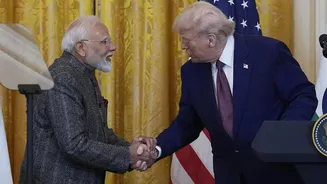
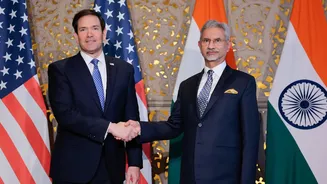
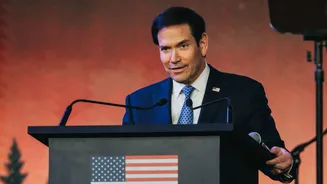
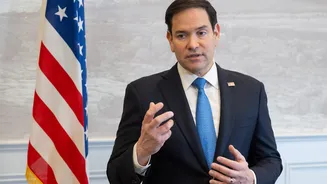
As of late 2026, a significant trade agreement between the two countries appears to be imminent after months of negotiation. Recent statements from officials on both sides, including US President Donald Trump and Secretary of State Marco Rubio, indicate a deal is 'incredibly close'. The discussions follow a period of friction, including the imposition of steep US tariffs in 2025. A framework agreement reached in early 2026 proposed reducing some of those tariffs in exchange for India providing greater market access for American agricultural and industrial goods. However, finalising the technical details and legal language has delayed the final pact. Key sticking points have traditionally included US concerns over India's high tariffs and India's desire for restored trade preferences and fairer treatment for its exports.
The Direct Impact on Your Wallet
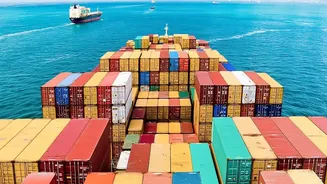
The most immediate way trade policy affects consumers is through prices. Tariffs—which are essentially taxes on imported goods—can make products more expensive. For instance, high Indian import duties on items like US electronics or automobiles have historically kept their prices high for Indian buyers. A trade deal that lowers these tariffs could lead to more competitive pricing for everything from smartphones and laptops to certain food products like nuts and wine. Conversely, when the US imposes tariffs on Indian goods, it hurts Indian exporters in sectors like textiles and jewellery. This can lead to job insecurity in those industries, reducing the purchasing power of affected workers and their families.
The Indirect Ripple Effect on Sentiment
Beyond the direct price of goods, trade dialogue powerfully shapes overall economic sentiment. Positive news, such as the announcement that a deal is close, can foster a sense of optimism. For businesses, a stable trade relationship reduces uncertainty and encourages investment. When companies feel confident, they are more likely to expand operations and hire more people. This sense of a healthy job market is a crucial driver of consumer confidence. If people feel their jobs are secure and that the economy is growing, they are more willing to spend on discretionary items and make big-ticket purchases like homes or cars. Conversely, prolonged trade disputes and tariff wars create anxiety, causing businesses to delay investments and consumers to save more and spend less.
From Policy to Perception
Ultimately, the status of the US-India trade relationship serves as a barometer for the health of the broader partnership between the two global powers. A successful trade deal is seen not just as an economic win, but a geopolitical one. This perception matters. When consumers feel that India is successfully navigating the global stage and securing favourable terms, it can contribute to a feeling of national pride and economic stability. This 'feel-good' factor, while difficult to quantify, subtly influences spending decisions. A positive trade outlook suggests a future of growth and opportunity, encouraging consumers to participate more freely in the economy, confident that the country is on the right track.