





Why We Need to Talk About Fibre
Dietary fibre is the unsung hero of a healthy diet. It’s a type of carbohydrate that the body can't digest, and it plays a critical role in maintaining our health. There are two types: soluble fibre, which dissolves in water and helps control blood sugar
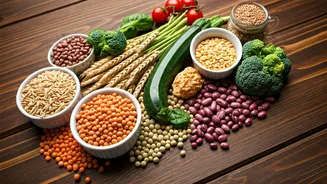
and reduce cholesterol, and insoluble fibre, which adds bulk to stool and aids in smooth digestion. Experts recommend that Indian adults consume between 25 to 40 grams of fibre daily, but studies show many urban dwellers get only about half of that. This gap can lead to digestive issues, unstable blood sugar, and other long-term health concerns. This is where planning becomes crucial, and where millets offer a powerful, natural solution.
The Millet Advantage in Fibre Content
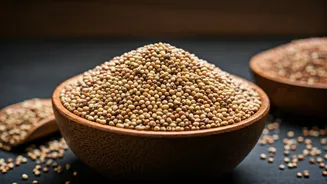
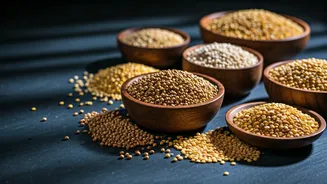
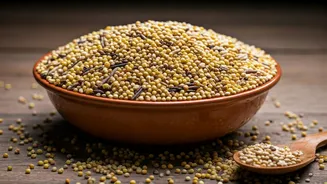
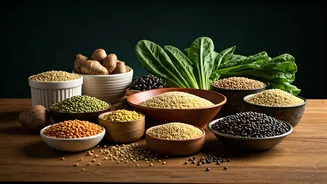
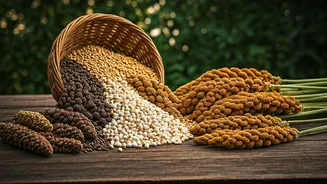
For generations, Indian diets relied heavily on refined grains like white rice and wheat, which are low in fibre. Polished white rice, for instance, contains less than half a gram of fibre per 100 grams. In stark contrast, millets are nutritional powerhouses. On average, they provide 5 to 50 times more fibre than their refined counterparts. Varieties like jowar (sorghum), bajra (pearl millet), and ragi (finger millet) are packed with anywhere from 8 to 12 grams of fibre per 100g. This high fibre content makes them incredibly effective at promoting satiety, which helps in weight management, and slowing down sugar absorption, which is vital for metabolic health.
A Millet for Every Meal
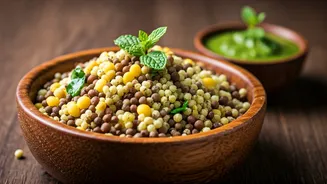
Integrating millets into your diet doesn't require a complete overhaul of your eating habits. The key is to start with simple, familiar swaps. You can begin by replacing a portion of your regular rice with cooked foxtail or little millet, which have a similar texture. For rotis, try mixing jowar or bajra flour with your whole wheat atta, gradually increasing the ratio. Breakfast is another easy entry point. A warm bowl of ragi porridge offers a comforting and nutrient-dense start to the day. As you get more comfortable, you can explore millet-based versions of popular dishes like upma, khichdi, and even dosas. This approach makes the transition feel natural and sustainable.
Beyond Fibre: The Full Spectrum of Benefits
While their high fibre content is a major draw, the benefits of millets don’t stop there. These grains are gluten-free, making them an excellent choice for individuals with gluten sensitivity. They also boast a low glycemic index, which helps prevent sharp spikes in blood sugar after meals. Furthermore, millets are rich in essential micronutrients. Ragi is a standout source of calcium, crucial for bone health, while bajra is packed with iron. Government initiatives like the National Food Security Mission and state-level millet missions are also helping bring these grains back into the mainstream, ensuring better availability and promoting their cultivation.
Making the Switch Seamless and Enjoyable
The thought of adding a new food group can feel daunting, but a few simple tips can make it easy. First, start small. Introduce millets into one meal two or three times a week. Soaking millets for a few hours before cooking can improve their digestibility and nutrient absorption. Don’t be afraid to experiment. Use cooked millet as a base for a refreshing salad, add it to soups for extra texture and nutrition, or even blend it into smoothies. The goal is to find what you enjoy. By focusing on incorporating them into recipes you already love, millets can become a regular, enjoyable part of your diet rather than a chore.