


A Garden That Gives Back
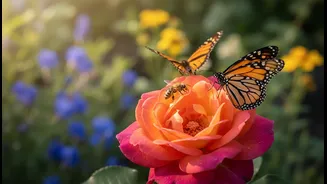
At its heart, a garden is a partnership with nature. When bees and butterflies arrive, that partnership becomes visible and vibrant. These pollinators are not just pretty visitors; they are essential workers that play a crucial role in the reproductive
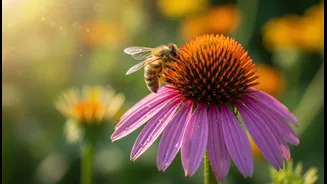
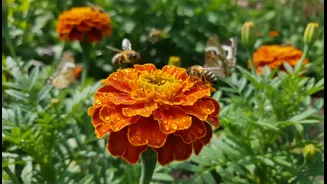
cycle of most flowering plants. By transferring pollen, they help plants produce the fruits, vegetables, and seeds you’ve been hoping for. A garden with a healthy pollinator population often sees more abundant harvests and more resilient plants. What you might plant as a simple patch of flowers becomes a bustling cafeteria that, in turn, helps your tomato plants flourish and your marigolds multiply.
An Ecological Act of Kindness
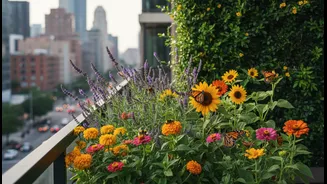
Creating a haven for pollinators extends your impact far beyond your own fence. With pollinator populations facing threats from habitat loss and pesticide use, even a small urban balcony or backyard can serve as a vital sanctuary. Planting native species, in particular, offers a lifeline to local bees and butterflies that have co-evolved with these specific plants. Your garden becomes a small but significant node in a larger network of green spaces, helping to support local biodiversity and the health of the wider ecosystem. It’s a simple way to contribute positively to the environment, turning a personal hobby into a form of ecological stewardship.
A Feast for Winged Friends
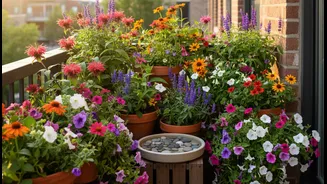
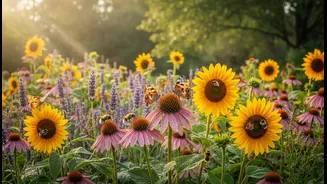
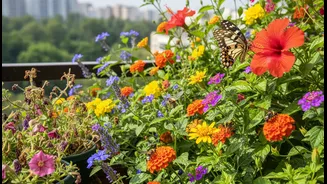
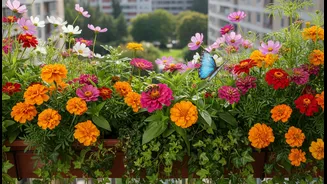
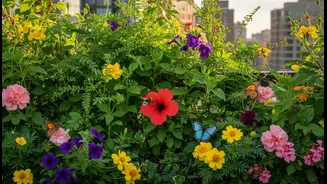
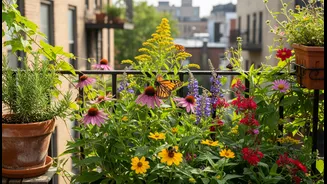
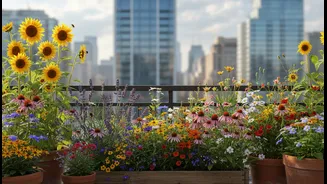
So, how do you send an invitation? The key is to offer a diverse menu of native, nectar-rich plants. For Indian gardens, this can include vibrant flowers like Marigold (Genda), which are easy to grow and highly attractive to pollinators. Climbers like the Butterfly Pea not only look stunning on a balcony but are a favourite of butterflies and produce edible flowers. Other excellent choices include cosmos, zinnias, and sunflowers, which provide easy landing pads for bees. Flowering herbs such as basil, mint, and lavender are also powerful magnets for these beneficial insects. By planting in clusters and choosing species that bloom at different times, you can provide a continuous feast from one season to the next.
Creating a Pollinator Paradise
Beyond flowers, a truly welcoming garden offers other amenities. A shallow dish of water with pebbles or marbles for landing spots can provide a crucial water source, especially on hot days. Leaving a small, unmulched patch of bare soil can offer a nesting site for ground-nesting native bees. One of the most important steps is to avoid or eliminate the use of pesticides, which can be toxic to pollinators. Instead, embrace natural pest control methods, like introducing beneficial insects. By thinking like a pollinator and providing food, water, and shelter, you create a complete and thriving habitat.
The Joy of Mindful Observation
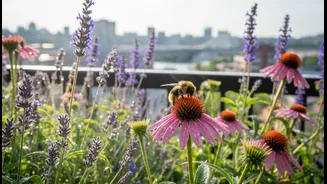
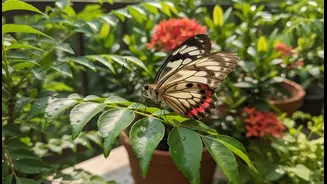
Perhaps the most profound reward is the impact on your own well-being. The simple act of gardening is known to reduce stress and anxiety. When you add wildlife into the mix, that benefit deepens. Taking a few moments to watch a bee diligently work its way through a patch of flowers or to see a butterfly delicately land on a leaf is a powerful exercise in mindfulness. It pulls you into the present moment, offering a respite from daily worries. This connection to the small, intricate workings of nature fosters a sense of wonder and accomplishment that a static garden, no matter how beautiful, can rarely match.