


North Cascades National Park, Washington
Just three hours from Seattle, North Cascades is often called the “American Alps,” yet it receives a fraction of the visitors that flock to nearby Mount Rainier and Olympic National Parks. Why the anonymity? The park has very few roads, meaning its true
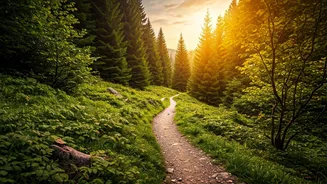
majesty is reserved for those who venture in on foot. The journey here isn't just the drive; it's the hike. You'll work for your views, but the reward is staggering: over 300 glaciers, jagged peaks piercing turquoise lakes, and a profound silence broken only by the wind. The payoff is a sense of wilderness that's become vanishingly rare. Instead of a parking lot traffic jam, you get an alpine meadow all to yourself.
Cumberland Island, Georgia
Step off the ferry onto Cumberland Island and you’re stepping into a different time. This is Georgia’s largest barrier island, a protected National Seashore accessible only by boat. The journey itself—a 45-minute ride across the sound—acts as a perfect transition from the modern world. Your reward is 17 miles of undeveloped, windswept beach roamed by wild horses, descendants of those left behind centuries ago. Inland, maritime forests draped in Spanish moss conceal the hauntingly beautiful ruins of the Gilded Age Dungeness mansion. With strictly limited daily visitors, you can spend hours exploring without seeing another soul. It’s a place that forces you to slow down and connect with a wild, quiet, and deeply historic American landscape.
Great Basin National Park, Nevada
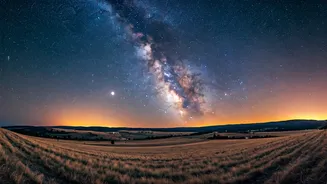
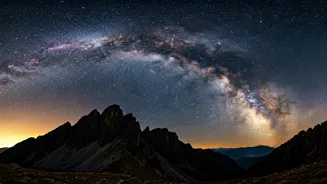
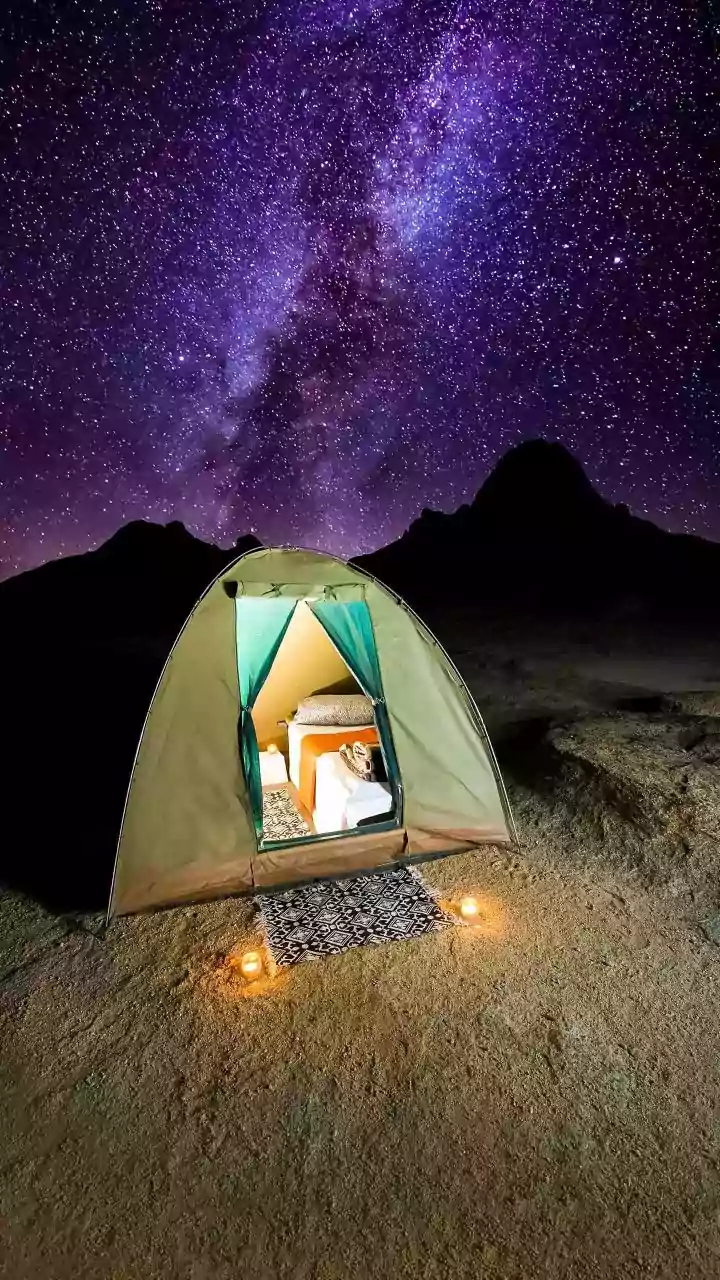
In the vast, empty expanse of eastern Nevada lies a park of incredible extremes. Great Basin is a journey into solitude. It’s home to Wheeler Peak, a 13,063-foot summit, and the cool depths of Lehman Caves, a stunning marble cavern adorned with rare shield formations. But its most profound treasures are time and darkness. High on the mountain slopes grow ancient bristlecone pines, some over 4,000 years old—the oldest living things on Earth. And when the sun sets, the park’s remote location makes it one of the country's official International Dark Sky Parks. The sheer brilliance of the Milky Way, viewed without the haze of city lights, is a primal experience that feels both humbling and expansive.
Apostle Islands National Lakeshore, Wisconsin
Forget the ocean coasts for a moment and look to the northern edge of Wisconsin. Here, a collection of 21 islands is scattered across the chilly, brilliant blue waters of Lake Superior. This is the Apostle Islands National Lakeshore. In summer, the journey involves kayaking or sailing between islands, discovering historic lighthouses, and exploring intricate sea caves carved by the lake's power. In the depths of winter, if conditions are right, the journey becomes a pilgrimage across the frozen lake to witness the same caves transformed into otherworldly ice palaces. It’s a testament to the wild, four-season beauty of the Great Lakes region and a world away from the crowded beach towns of the saltwater coasts.
The Lost Coast, California
California’s Highway 1 is one of the most famous drives in the world, but what about the coast it couldn't tame? The Lost Coast is a rugged, 80-mile stretch of shoreline in Northern California so steep and unstable that highway engineers were forced to route the road inland. This geological obstacle created an accidental wilderness preserve. Access is limited to the most determined hikers and backpackers, who take on a multi-day trek along black sand beaches, across tidal streams, and past colonies of sea lions. The journey *is* the destination here. There are no gift shops, no scenic-turnout traffic. The reward is a raw, powerful vision of the Pacific coast as it has existed for millennia, a place earned, not just visited.