






A 'Below-Normal' September Forecast
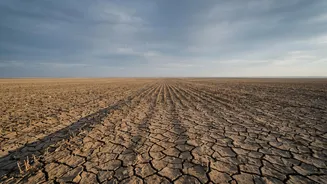
The India Meteorological Department (IMD) has forecast that rainfall in September 2026 is likely to be below normal across the country. Specifically, the national average is expected to be less than 91% of the Long Period Average (LPA) for the month.
This comes after an uneven season, which saw a significant deficit in August that reversed many of the gains from a wetter-than-average July. The forecast raises concerns because the final month of the monsoon is crucial. It provides the last burst of water for standing summer-sown (Kharif) crops before they are harvested and is vital for ensuring adequate soil moisture for the upcoming winter (Rabi) planting season.
Which Crops Are Most at Risk?
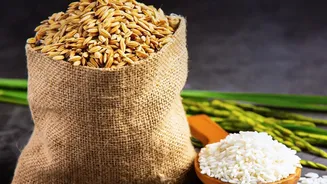
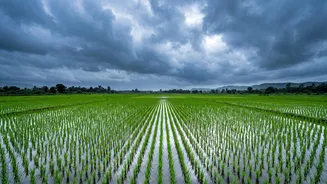
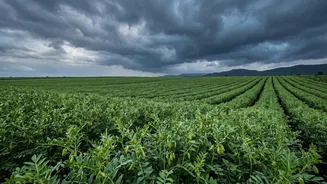
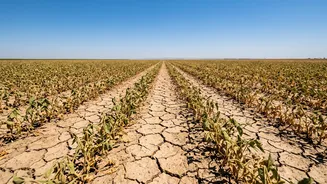
A dry September poses a threat to several key Kharif crops that are in their final growth stages. Rice, a staple for a majority of Indians, is particularly vulnerable, as are pulses (dals), soybeans, and cotton. While pulses sowing has seen a slight increase this year, overall Kharif sowing was already trailing by 1.8% as of late August, with rice acreage down by 3.3%. A lack of rain can reduce crop yields and stress plants, especially in regions that are heavily dependent on rain-fed agriculture. The IMD has noted, however, that the below-normal forecast is a national average, and some parts of northwest, northeast, and east-central India might still receive normal to above-normal rain, potentially sparing crops in those specific belts.
From Farm Fields to Your Kitchen Budget
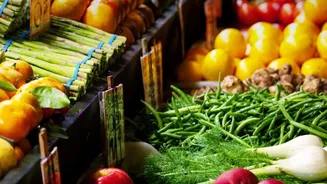
The link between rainfall and your grocery bill is direct and impactful. A poor harvest reduces the overall supply of food grains and vegetables available in the market. This initial shortage at the farm level leads to higher prices at wholesale markets (mandis), and that increase is eventually passed on to consumers. Perishable items like tomatoes, onions, and leafy greens are often the first to see sharp price spikes because they cannot be stored for long, and their supply chains are easily disrupted by extreme weather, be it too little or too much rain. Even a marginal shortfall in production can trigger worries about availability, sometimes leading to hoarding, which further pushes prices up. Analysts note that food prices are already a key driver of retail inflation, which stood at 4.45% in July 2026.
The Knock-On Effect on Winter Crops
The impact of September's monsoon doesn't end with the Kharif harvest. The rainfall during this month is critical for replenishing reservoirs and ensuring the ground retains enough moisture for the Rabi sowing season, which typically begins in October. Key Rabi crops include wheat, mustard, and some pulses. Lower reservoir levels mean less water is available for irrigation during the dry winter months, potentially compromising the output of the next agricultural cycle. This long-term effect is why the final performance of the monsoon is watched so closely by farmers and policymakers alike. The presence of a strong El Niño, a climatic pattern known to weaken monsoon rainfall in India, adds another layer of uncertainty to the outlook for this year.