







The Problem with Raw Numbers
For many, tracking protein is simple: hit a target number of grams per day. This 'raw' or total protein figure is a common metric in fitness apps and diet plans. The assumption is that 20 grams of protein is 20 grams of protein, regardless of the source.
However, for those on a plant-based diet, this simplification can be a trap. The reality is that the body doesn't treat all protein sources equally. Just because a food label says it contains a certain amount of protein doesn't mean your body can absorb and use all of it for muscle repair and growth.
Not All Protein Is Created Equal
Protein is made up of building blocks called amino acids. There are nine essential amino acids that our bodies cannot produce, so we must get them from food. Animal proteins are 'complete,' meaning they contain all nine in sufficient amounts. While all plant foods contain all essential amino acids, the amounts can vary significantly. Some plant proteins are low in specific amino acids, like lysine or methionine. This creates what is known as a 'limiting amino acid,' which can bottleneck the body's ability to synthesize new proteins, even if your total gram count is high.
The Digestibility Difference
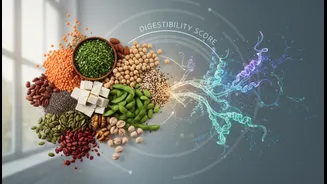
Beyond the amino acid profile, there’s the issue of digestibility. Plant proteins are often bound within a fibrous matrix and can contain compounds called 'anti-nutrients' that may reduce how much protein your body can actually absorb. Animal proteins are generally more digestible, with absorption rates often exceeding 90%. In contrast, the digestibility of protein in plant-based whole foods can be lower. To account for this, scientists use scoring systems like the Protein Digestibility-Corrected Amino Acid Score (PDCAAS) and the more modern Digestible Indispensable Amino Acid Score (DIAAS). These scores consistently show that even high-quality plant proteins like soy are slightly less bioavailable than their animal-based counterparts like whey or egg.
The Key Role of Leucine
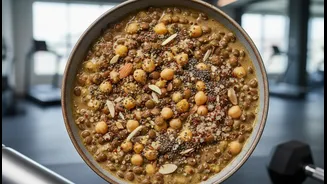
For fitness enthusiasts, one amino acid is particularly important: leucine. Leucine acts as a primary trigger for muscle protein synthesis—the process of repairing and building muscle after a workout. Plant-based proteins generally contain less leucine than animal proteins. Research suggests a meal should contain around 2.5 to 3 grams of leucine to maximize the muscle-building response. Achieving this 'leucine threshold' can be challenging with some plant sources. For example, you’d need to eat a much larger portion of lentils compared to chicken breast to get the same amount of leucine, even if the total protein grams were matched. This is why a sole focus on total protein can fall short for muscle-building goals.
A Smarter Plant-Based Strategy
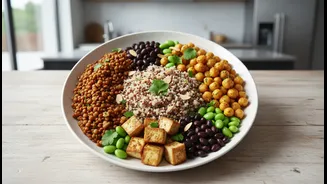
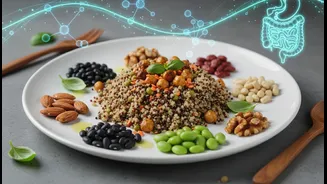
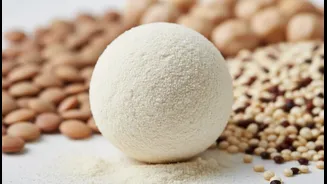
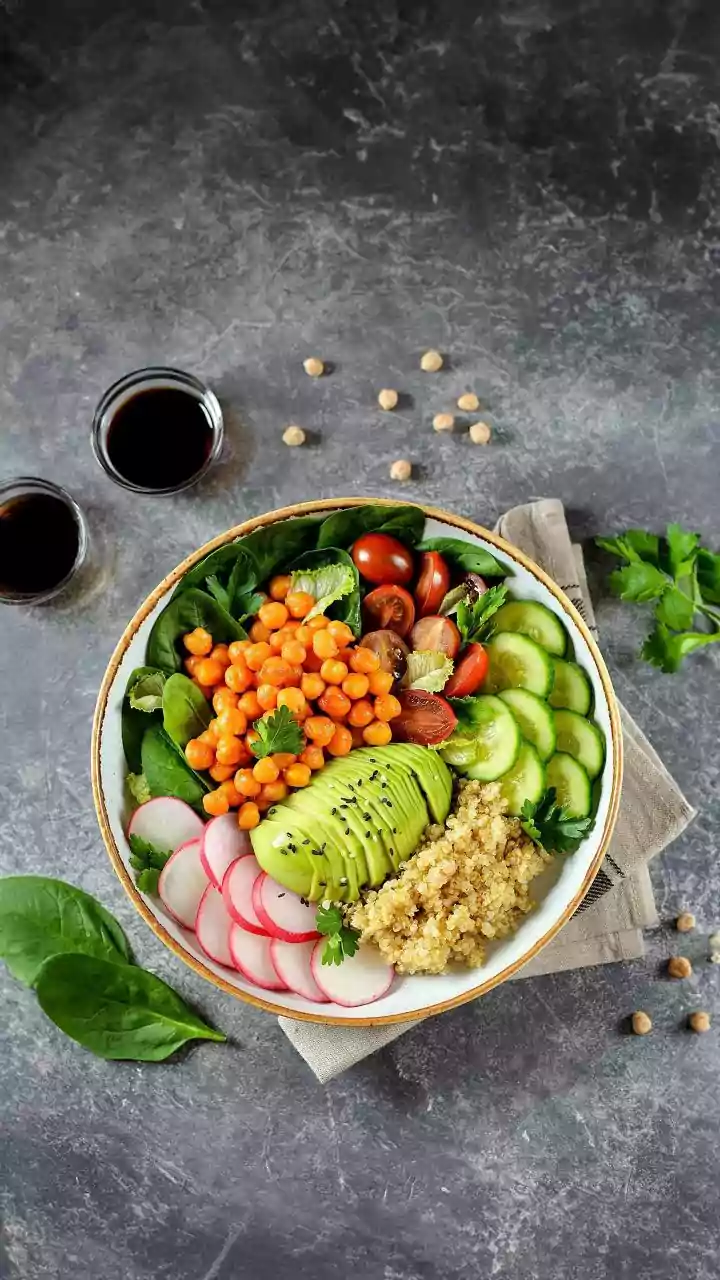
So, should plant-based fitness lovers abandon their diet? Absolutely not. Recent studies show that with smart planning, a vegan diet can support muscle growth just as effectively as an omnivorous one. The key is to move beyond raw numbers and focus on quality and variety. Aim for a slightly higher overall protein intake, about 10-20% more than your omnivorous counterparts, to compensate for lower digestibility. Prioritize high-quality, leucine-rich plant sources like tofu, tempeh, edamame, and soy protein isolate. Most importantly, practice protein combining. By eating a wide variety of protein sources throughout the day—such as pairing legumes with grains—you can ensure you’re getting a complete and balanced profile of all essential amino acids.