







How an Infrared Sauna Works
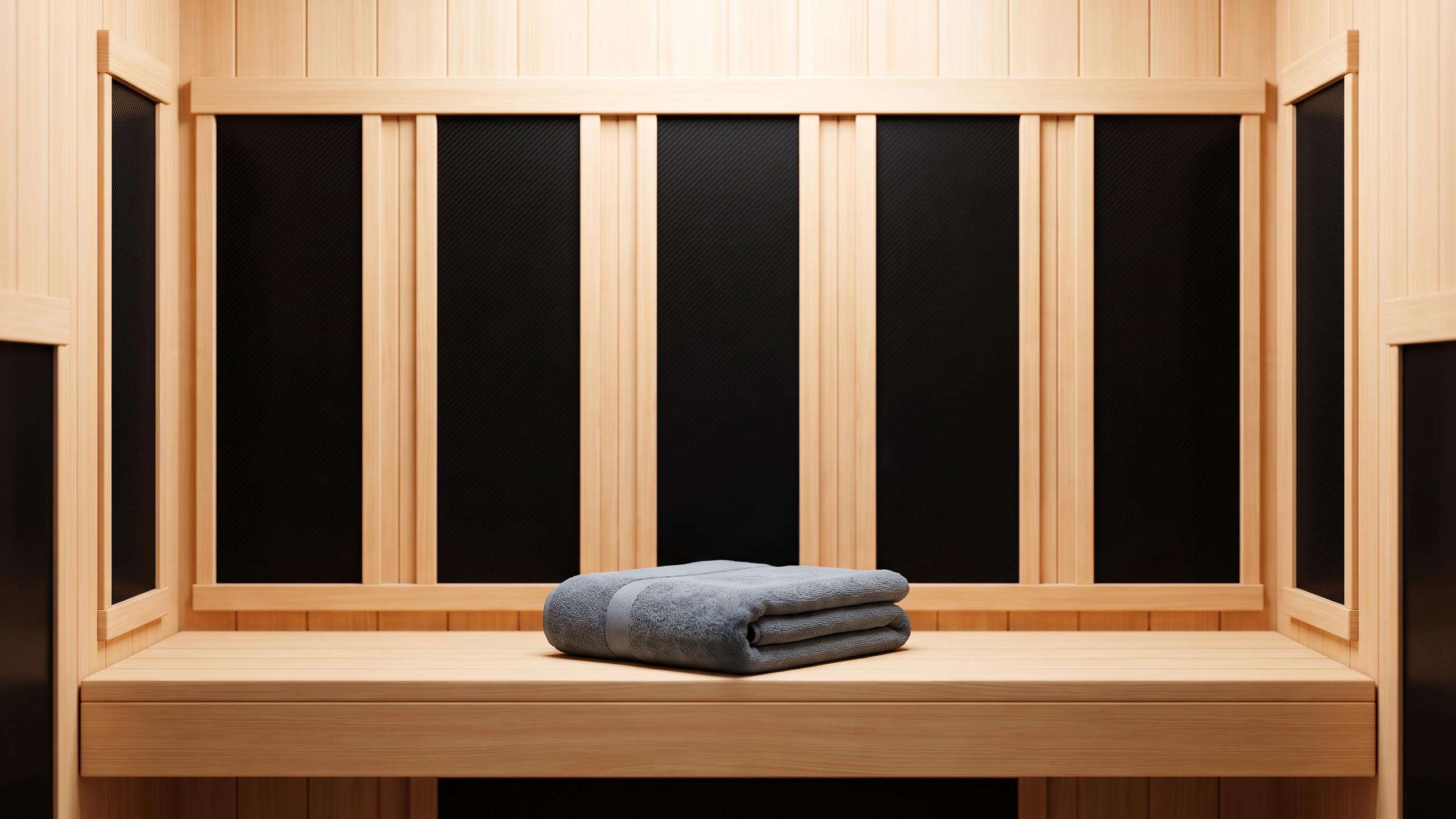
Unlike a traditional sauna that heats the air around you to very high temperatures, an infrared sauna uses special lamps to generate infrared light. This light penetrates the skin to warm the body directly from within. This fundamental difference means
infrared saunas operate at a lower, more comfortable temperature, typically between 48°C and 65°C, compared to the 80°C to 100°C of their traditional counterparts. This allows for longer, more tolerable sessions where the body can experience a deep, detoxifying sweat without the intense, stifling heat.
Aiding Mental Stress Reduction
One of the most praised benefits of infrared sauna use is its effect on stress. Modern life often keeps our nervous system in a state of high alert, or “fight-or-flight,” which is associated with high levels of the stress hormone cortisol. Elevated cortisol can contribute to anxiety, irritability, and poor sleep. The soothing heat of an infrared sauna can help the body shift into a “rest-and-digest” state, activating the parasympathetic nervous system. Studies suggest this process may help regulate cortisol levels, promoting a feeling of calm and relaxation that extends beyond the session itself. This heat-induced relaxation is also linked to the release of endorphins, the body's natural mood-lifting chemicals, which can further reduce feelings of stress and enhance a sense of well-being.
Enhancing Physical Recovery
For anyone from dedicated athletes to those with physically demanding jobs or desk-bound stiffness, muscle recovery is crucial. Infrared heat penetrates deep into muscle and joint tissues, promoting vasodilation, which is the widening of blood vessels. This process increases circulation, delivering more oxygen and nutrients to tired or damaged muscles, which is vital for repair. Better blood flow also helps flush out metabolic byproducts like lactic acid that contribute to post-workout soreness and stiffness. Some research has shown that using an infrared sauna after exercise can significantly reduce delayed-onset muscle soreness (DOMS) and help maintain neuromuscular performance. The gentle heat can also ease muscle tension, helping to relieve common aches and improve flexibility.
The Role of Consistency
While a single session in an infrared sauna can leave you feeling relaxed and refreshed, many of the deeper benefits for both stress and recovery appear to be cumulative. Think of it like exercise: the real changes happen with consistency. Regular use, perhaps a few times a week, can help train your body’s stress response systems to become more resilient over time. For physical recovery, consistent sessions can help manage chronic inflammation and keep muscles feeling more limber. Experts often recommend starting with 2-3 sessions per week, lasting about 20-30 minutes each, to begin seeing sustained improvements.
What to Know Before You Go
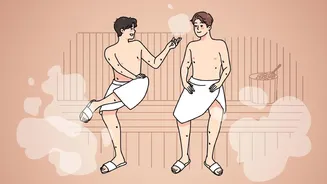
If you're considering trying an infrared sauna, the experience is straightforward. You'll sit in a wooden cabin, similar to a traditional sauna, but the air will feel pleasantly warm rather than intensely hot. Hydration is key; be sure to drink plenty of water before, during, and after your session to replace the fluids lost through sweat. Most people wear a swimsuit or lightweight athletic wear. The most important rule is to listen to your body. If you start to feel lightheaded or uncomfortable, it’s time to end your session. While generally safe, it's always wise to check with a healthcare provider before starting any new wellness routine, especially if you have pre-existing health conditions like heart problems, or if you are pregnant.