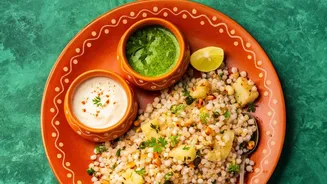



Dalia and Khichdi are mainstays in Indian kitchens, beloved for their comfort and simplicity. But when it comes to nutrition, how do these one-pot wonders compare? Let's break down their core benefits and see how vegetables transform them.
The Contenders: Dalia and Khichdi
In the world
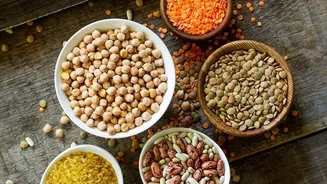
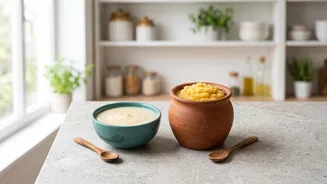
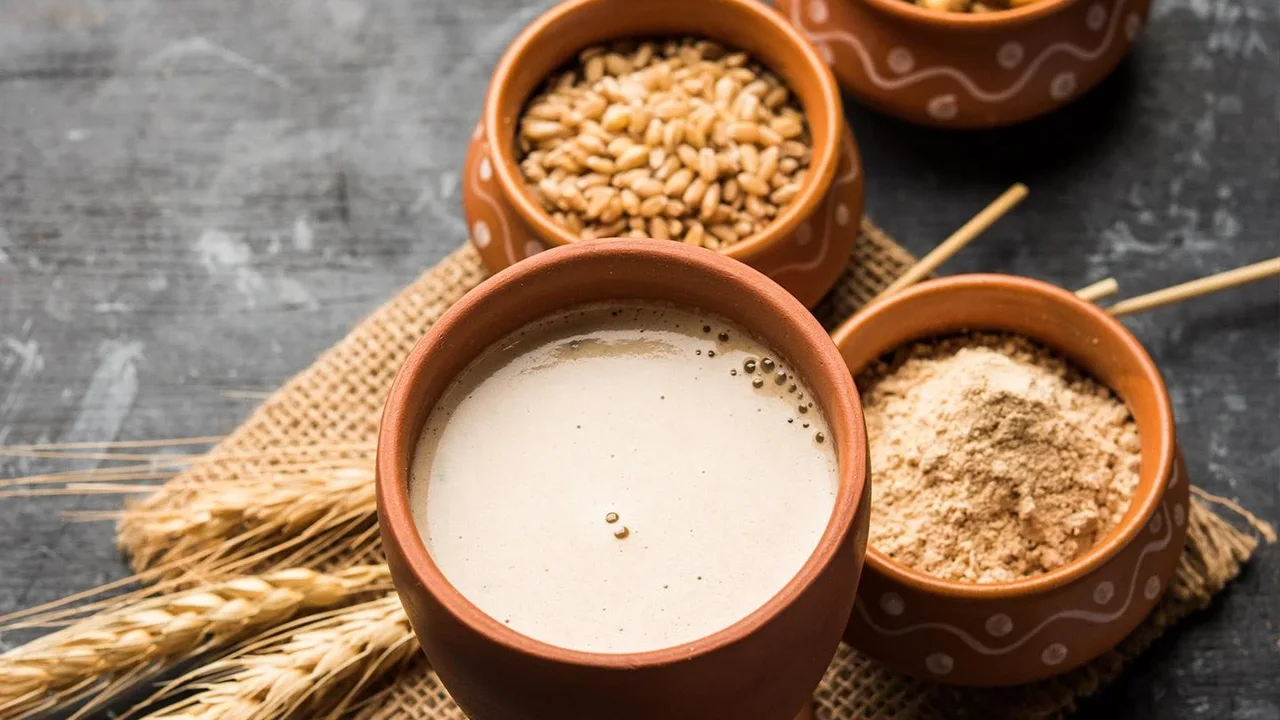
of simple, wholesome Indian meals, Dalia and Khichdi stand out. Dalia, made from cracked or broken wheat, is a whole grain powerhouse. Khichdi, on the other hand, is a classic combination of rice and lentils, most commonly moong dal. Both are celebrated for being easy to digest and are often the first choice for a light meal during recovery from illness. But their nutritional profiles, while both healthy, offer different strengths that can be tailored to your specific dietary needs.
Dalia: The Fibre-Rich Powerhouse
Dalia's primary strength lies in its whole-grain nature. Since it's made from cracked wheat with the bran intact, it is exceptionally high in dietary fibre. A 100-gram serving of uncooked dalia packs around 10-12 grams of fibre and about 12 grams of protein. This high fibre content is excellent for digestive health, helping to prevent constipation and keeping you feeling full for longer, which can aid in weight management. Furthermore, Dalia has a low glycemic index, meaning it releases sugar into the bloodstream slowly. This provides sustained energy and makes it a particularly good choice for individuals managing blood sugar levels.
Khichdi: The Complete Protein Partner
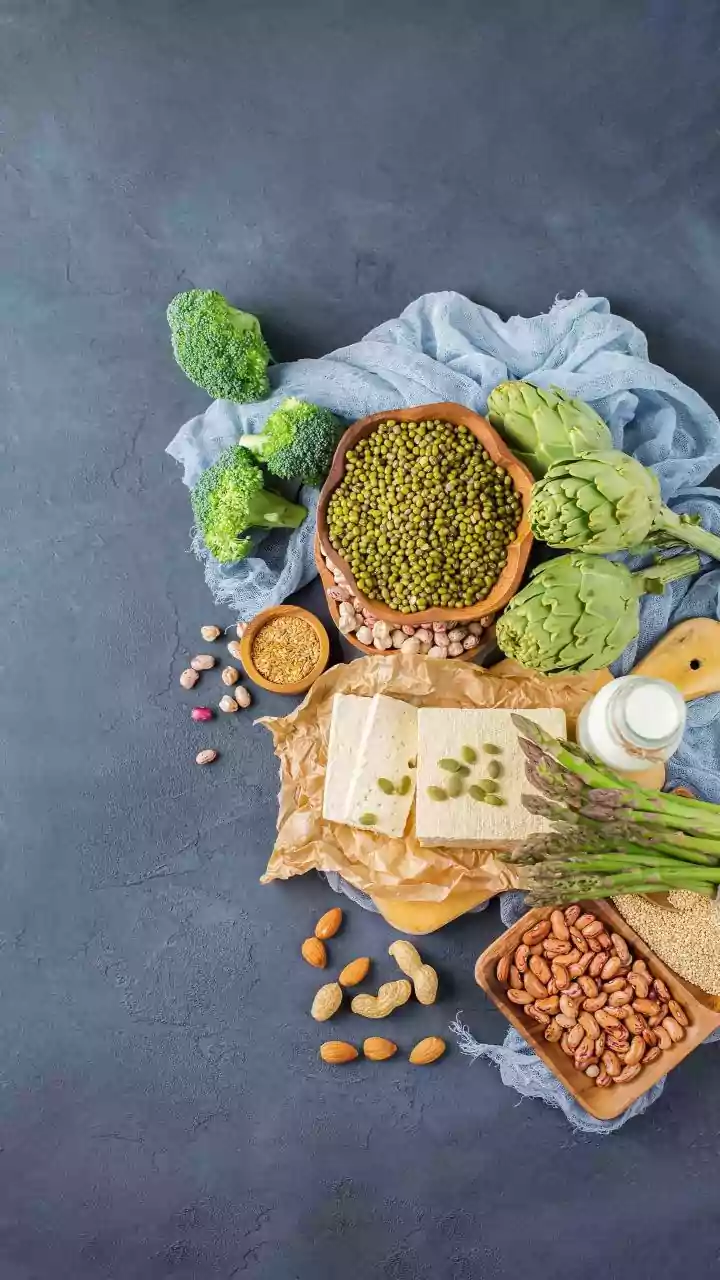
The magic of Khichdi comes from the synergy of its two main ingredients: rice and lentils. While rice alone can be low in certain amino acids, combining it with lentils creates a 'complete protein', providing all nine essential amino acids required for muscle repair and growth. This makes Khichdi an excellent plant-based protein source. It's known for being incredibly gentle on the stomach, making it a go-to comfort food that's easy to digest. While traditional Khichdi made with white rice has a higher glycemic index than Dalia, it remains a nutritious, balanced meal that delivers energy, protein, and essential minerals like iron and magnesium.
The Game Changer: Adding Vegetables
While both Dalia and Khichdi are nutritious on their own, adding vegetables elevates them from simple meals to nutritional powerhouses. Vegetables increase the volume of the dish without adding significant calories, making the meal more filling. They dramatically increase the fibre, vitamin, and mineral content. Adding colourful vegetables like carrots, peas, bell peppers, spinach, and beans not only enhances flavour and texture but also introduces a wide array of antioxidants and micronutrients that the base grains alone may lack. This simple act transforms a basic meal into a complete and balanced one.
Upgrading Your Dalia with Veggies
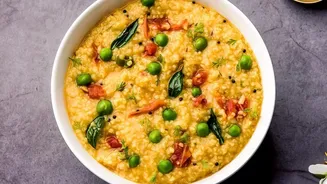
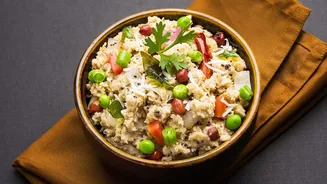
When you make vegetable Dalia, you are building upon its already high-fibre base. Adding vegetables like peas and carrots further boosts the fibre and adds vitamins like Vitamin A. Including leafy greens like spinach will fortify it with iron and Vitamin K. Because Dalia has a nutty, neutral flavour, it readily absorbs the taste of the vegetables and spices, making it a versatile canvas. A bowl of vegetable Dalia is a low-GI, high-fibre meal perfect for sustained energy, digestive health, and keeping you full and satisfied for hours.
Elevating Your Khichdi with Veggies
Adding vegetables to Khichdi does more than just add nutrients; it also helps balance its carbohydrate content. By mixing in fibrous vegetables like beans, cauliflower, or broccoli, you slow down the digestion of the rice, which can help moderate its effect on blood sugar. The addition of vegetables like tomatoes and onions, cooked into the base, enhances flavour and adds antioxidants. A wellmade vegetable Khichdi is a wonderfully hydrating and soothing meal that provides complete protein, complex carbs, and a diverse range of vitamins from the added veggies, making it a truly restorative dish.
The Verdict: Which One Should You Choose?
There is no single winner here, as the 'better' option depends entirely on your health goals. If your priority is blood sugar control, sustained energy, and maximising your fibre intake for weight management, Dalia is an excellent choice. If you are looking for a postworkout meal for muscle repair or an easily digestible, complete protein source, Khichdi is a fantastic option. Ultimately, the healthiest version of either dish is the one that is loaded with a variety of vegetables. Both Dalia and Khichdi serve as brilliant foundations for a nutrientdense meal.