

The Soul of Comfort, Reimagined
Comfort food is more than just a meal; it's a feeling of warmth, memory, and home. For generations, dishes like dal makhani, khichdi, and regional biryanis have been the anchors of Indian cuisine, their recipes passed down with reverence. But today, a new
generation of chefs is approaching these classics not as rigid rulebooks, but as foundational stories ready for a new chapter. Instead of replacing tradition, they are building upon it. This movement isn't about forced fusion, like the chicken tikka pizzas of the past, but a more confident and thoughtful reimagining of what Indian food can be. It’s about honouring the soul of a dish while giving it a fresh, exciting form.
A Taste of Global India
So, why is this happening now? Several factors are stirring the pot. Increased global travel and a more interconnected world have exposed both chefs and diners to a wider array of ingredients and flavours. Palates have become more adventurous, creating an audience eager to try a classic dosa filled with avocado and feta or a mutton curry prepared with French techniques. Furthermore, there is a growing confidence among Indian chefs. They are moving away from the need to 'translate' Indian food for a wider audience and are instead diving deep into the country's vast and diverse culinary heritage, from the smoked pork of Nagaland to the yam stem curries of Kerala. This renewed appreciation for local, indigenous ingredients is providing a powerful new pantry for innovation.
From Khichdi to Quinoa
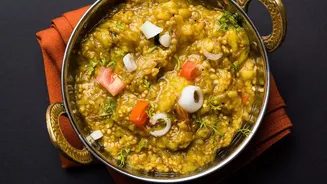
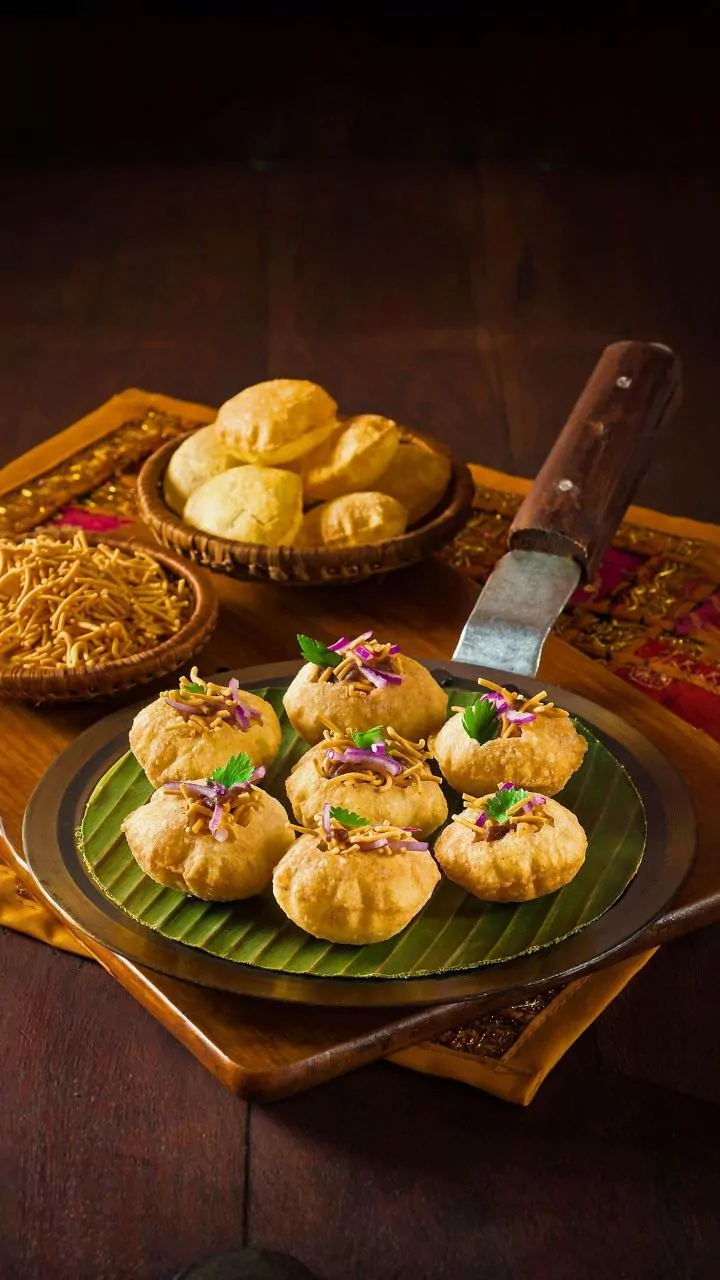
The results of this trend are as delicious as they are diverse. In high-end restaurants and creative cafes across the country, familiar dishes appear in surprising new avatars. Imagine the humble khichdi, a timeless comfort food, being served with quinoa and a drizzle of truffle oil. At Masque in Mumbai, Chef Varun Totlani reimagines a masala papad using nixtamalized corn, a technique borrowed from Central American cuisine. Elsewhere, you might find a classic butter chicken where the protein has been cooked to impossible tenderness using the sous-vide method, or a traditional mutton curry transformed by a 48-hour slow cook that preserves its juices while concentrating the masala into a rich glaze. These are not gimmicks; they are deliberate techniques used to enhance texture and deepen flavour, proving that modern methods can elevate, not erase, tradition.
New Tools in the Spice Box
The new Indian kitchen is expanding its toolkit. Alongside traditional hand-ground spices and slow-cooking methods like 'dum pukht', chefs are embracing contemporary techniques with precision and creativity. Molecular gastronomy, once seen as purely performative, is now used with more subtlety to create surprising textures. Fermentation, a practice with ancient roots in India, is being explored with new scientific understanding to develop complex, gut-friendly flavours. The ingredient list is also growing. Global items like Bandel cheese, miso, and even chocolate are being paired with hyper-regional Indian produce, from thangnyer chillies to gondhoraj limes, creating genre-defying dishes that bridge heritage and innovation. This blend of old and new shows a cuisine that is curious, dynamic, and forward-looking.