



The Heartbeat of the High Passes
At the heart of Ladakhi beverage culture is 'gur gur chai', a drink as essential as the air in the high-altitude desert. Known colloquially as butter tea or 'namkeen chai', it is far more than a simple morning beverage. It is a lifeline, a rich source
of calories and hydration that helps locals withstand the harsh, cold climate. The traditional recipe involves boiling special fermented tea leaves, often from compressed bricks, for an extended period. This strong infusion is then poured into a cylindrical wooden churner called a 'dongmo', along with a generous portion of yak butter and salt. The mixture is churned vigorously until the butter emulsifies, creating a creamy, soup-like consistency that is both nourishing and deeply comforting.
Unpacking the Smoky Aroma
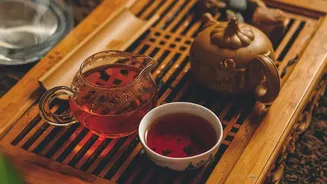
The 'unique smoked mountain aromas' mentioned in the headline are a complex and often misunderstood characteristic of these brews. The flavour does not typically come from a process of deliberately smoking the tea leaves. Instead, it is a symphony of environmental and ingredient-specific factors. The black tea leaves used are often a type of fermented Pu-erh style tea, which naturally develops deep, earthy, and sometimes smoky notes during its ageing process. Furthermore, traditional Ladakhi kitchens, with their wood-fired stoves known as 'bukharis', are often filled with a subtle, ambient smokiness. This aroma can infuse everything over time, from the wooden 'dongmo' to the very air in which the tea is prepared, adding another layer to its final flavour profile.
A Ritual of Welcome and Warmth
In Ladakh, offering tea is a cornerstone of hospitality and social connection. Gur gur chai is not just served; it is shared as part of a deeply ingrained ritual. When visiting a Ladakhi home, your cup will be topped up after every sip, as an empty cup is considered impolite on the host's part. This constant refilling ensures a guest feels welcome and cared for. The rhythmic sound of the plunger inside the 'dongmo' is the sound of a home waking up, a signal that a warm, nourishing brew is being prepared to be shared among family and offered to any visitor who walks through the door. It is a tradition that fortifies bonds in a land where community is essential for survival.
Beyond Butter: A Garden of Wild Herbs
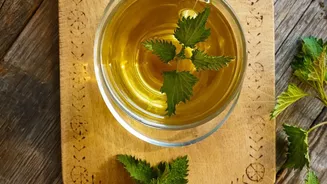
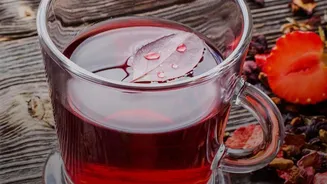
While butter tea is the most famous, Ladakh's beverage traditions also include a variety of caffeine-free herbal infusions made from wild plants foraged from the mountainsides. One of the most popular is a tea made from wild rose hips, known locally as 'tshatagi'. This vibrant red brew is packed with Vitamin C and has been a traditional remedy for colds and coughs for generations. Another key ingredient is sea buckthorn, a bright orange berry that grows in abundance across the region. The tea made from these berries is tangy, refreshing, and loaded with antioxidants. These herbal brews offer a different taste of the Ladakhi landscape—lighter, fruitier, but equally tied to the local ecosystem and its wellness traditions.
From the 'Dongmo' to the Daily Grind
The journey of these brews to 'modern daily cups' is a tale of cultural adaptation and entrepreneurship. Today, you don't need a yak or a 'dongmo' to experience these flavours. Local entrepreneurs and brands like Ladakh Brew have begun packaging these traditional ingredients for a wider audience. They offer everything from classic butter tea blends to sea buckthorn and wild rose hip infusions in convenient tea bags and loose-leaf form. These products, often marketed for their organic and wild-harvested qualities, are finding a new audience online and in wellness-focused cafes. Recipes have also been adapted, suggesting a powerful blender can be used to emulsify regular unsalted butter for those who want to recreate gur gur chai at home, making the tradition accessible to all.