






The Unseen Price Pressure
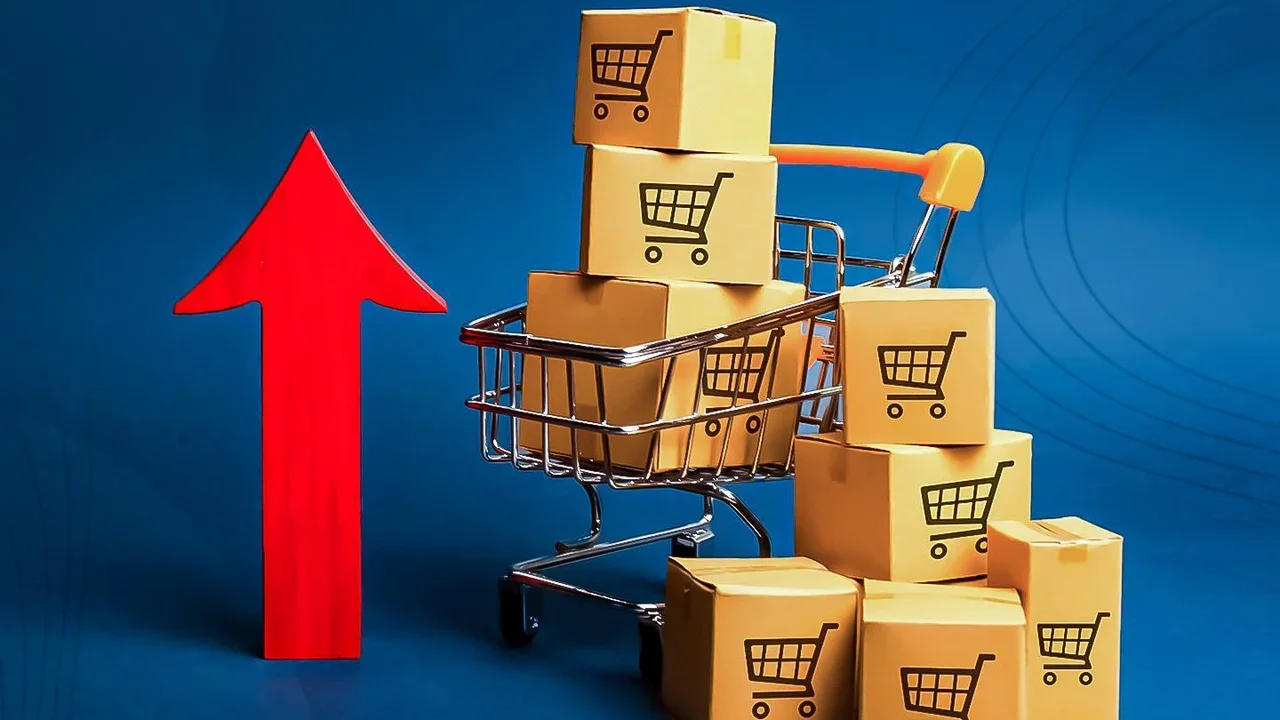
Lately, the cost of doing business has shot up. Recent data shows India's wholesale price inflation (WPI) jumped to 11.39% in September, a significant climb from previous months. This index tracks prices at the producer level for raw materials and manufactured
goods before they ever reach a retail shelf. When the cost of fuel, power, food articles, and basic materials rises for producers, that pressure travels down the supply chain. While wholesale price changes don't always translate directly to what you pay, sustained increases force Fast-Moving Consumer Goods (FMCG) companies and retailers to act. They are caught in a difficult position: absorb the rising costs and hurt their profits, or pass them on to shoppers and risk losing them to competitors.
Strategy 1: The 'Shrinkflation' Game
One of the most subtle strategies is 'shrinkflation'. Instead of increasing the price of a packet of biscuits or a bar of soap, companies reduce the quantity. Your favourite 10-rupee snack pack might feel the same, but it now contains 85 grams instead of 100. This tactic is effective because most shoppers are more sensitive to a direct price hike than a small reduction in volume. Companies like Hindustan Unilever and Parle have used this strategy to manage rising input costs for everything from edible oils to wheat, keeping popular price points like ₹10 intact while effectively increasing the price per gram. It's a way to pass on costs without triggering immediate sticker shock, but savvy consumers are catching on by checking the unit price, not just the retail price.
Strategy 2: The Rise of Store Brands
Another major shift is the growing prominence of private-label or 'store' brands. These are products that retailers like BigBasket, DMart, and others create and sell under their own names, such as 'Fresho' from BigBasket. Facing pressure from rising costs of national brands, retailers are pushing their own alternatives, which offer them better profit margins and more control over pricing. For consumers, these products are often a more affordable option. Recent studies show a significant number of Indian shoppers are switching to private labels, viewing them as good value and of comparable quality to legacy brands. Retailers are capitalizing on this by giving their own brands more prominent shelf space, often at eye level, encouraging shoppers to make the switch.
Strategy 3: Calibrated Price Hikes and Fewer Discounts
While stealthy tactics are common, sometimes a direct price increase is unavoidable. However, companies are being very careful, opting for 'calibrated' hikes—small, selective increases across their product lines rather than a single large jump. This is often a last resort, used when cost pressures from raw materials and packaging become too great to absorb. Alongside this, the era of deep discounts and generous 'Buy One, Get One Free' offers may be tempered. To protect their margins, retailers are re-evaluating their promotional strategies. While deals will still exist to drive sales, they may become less frequent or shift towards bundled offers that encourage larger purchases.