








Myth: You Must Completely Clear Your Mind
This is the biggest reason people quit. The idea of achieving a totally blank mind is intimidating because, for most of us, it’s impossible. Our brains are designed to think. The goal of meditation isn't to stop thoughts but to change your relationship
with them. Instead of trying to force an empty mental state, the practice is to notice when your mind has wandered and gently guide your focus back to your breath or another anchor. Think of yourself as an observer, watching thoughts pass like clouds without getting carried away by them. Each time you return your focus, you're strengthening your attention muscle. That is the actual work of meditation.
Myth: You Have to Meditate for a Long Time
If you think you need a spare hour to get any benefits from meditation, think again. While longer sessions can be powerful, consistency is more important than duration. Research has shown that even a few minutes of daily meditation can reduce stress and anxiety, improve focus, and enhance emotional well-being. Starting with short, manageable sessions of five or ten minutes makes it much easier to build a sustainable habit. Some studies even suggest that multiple, very short “micropractices” throughout the day can be as effective as a single long session. The most effective meditation practice is the one you actually do, so start small and be consistent.
Myth: You Have to Sit Perfectly Still and Cross-Legged
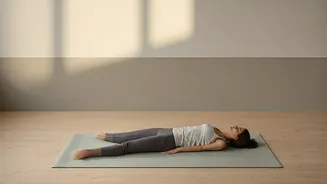
Images of meditators often show them sitting motionless in a perfect lotus position, but this is not a requirement and can be a significant physical barrier for many. Comfort is key. You can meditate sitting in a chair with your feet on the floor, lying down, or even standing. If sitting still feels impossible, especially when you're restless or stressed, try a walking meditation. This practice involves focusing on the physical sensations of movement and your environment. It combines gentle physical activity with mindfulness, which can be more effective for people who feel agitated or find it hard to sit still. The right posture is any posture that allows you to be both alert and comfortable.
Myth: Meditation Is a Religious Practice
While many meditation techniques have roots in ancient spiritual and religious traditions like Buddhism and Hinduism, the practice itself does not have to be religious. In recent decades, secular meditation has become widespread, championed by scientists and medical professionals for its proven mental and physical health benefits. Practices like Mindfulness-Based Stress Reduction (MBSR) were specifically developed to be completely secular. You can focus on your breath, repeat a non-religious mantra (like the word “calm”), or simply observe bodily sensations without any spiritual context. The practice is adaptable to your personal beliefs and goals, whether they are for stress management, improved focus, or something else entirely.
Myth: A Good Meditation Is Always Relaxing
The expectation that every session will leave you feeling blissful is another path to discouragement. Sometimes meditation is relaxing, but other times it can be uncomfortable, boring, or frustrating. You might become aware of restlessness, difficult emotions, or physical discomfort. This is not a sign of failure; it’s a normal part of the process. The goal isn't to feel a certain way but to be present with whatever is happening in your experience without judgment. Some of the most profound benefits come from learning to sit with and observe these difficult feelings rather than constantly running from them. Acknowledging that not every session will feel “good” can free you to appreciate the practice for what it is: a training in awareness, not just relaxation.