



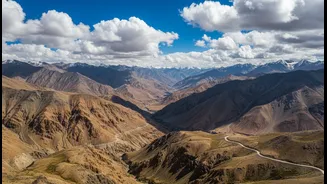


A Land Beyond the Clouds
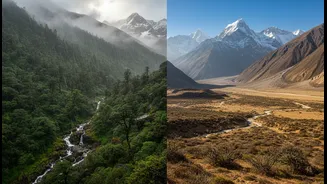
The secret to Ladakh and Spiti’s dry monsoon season lies in a simple geographical phenomenon: the rain shadow effect. When the moisture-laden monsoon winds sweep in from the Indian Ocean, they are forced to rise by the colossal Himalayan range. As the air
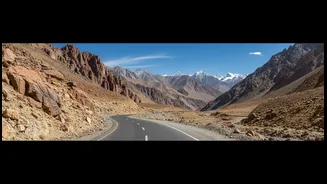
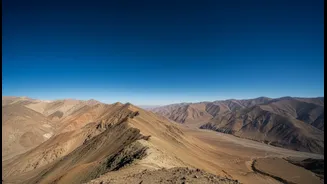
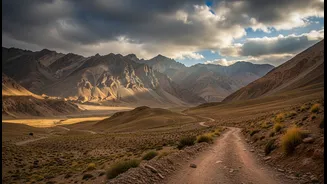
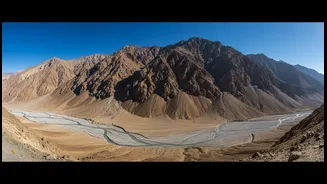
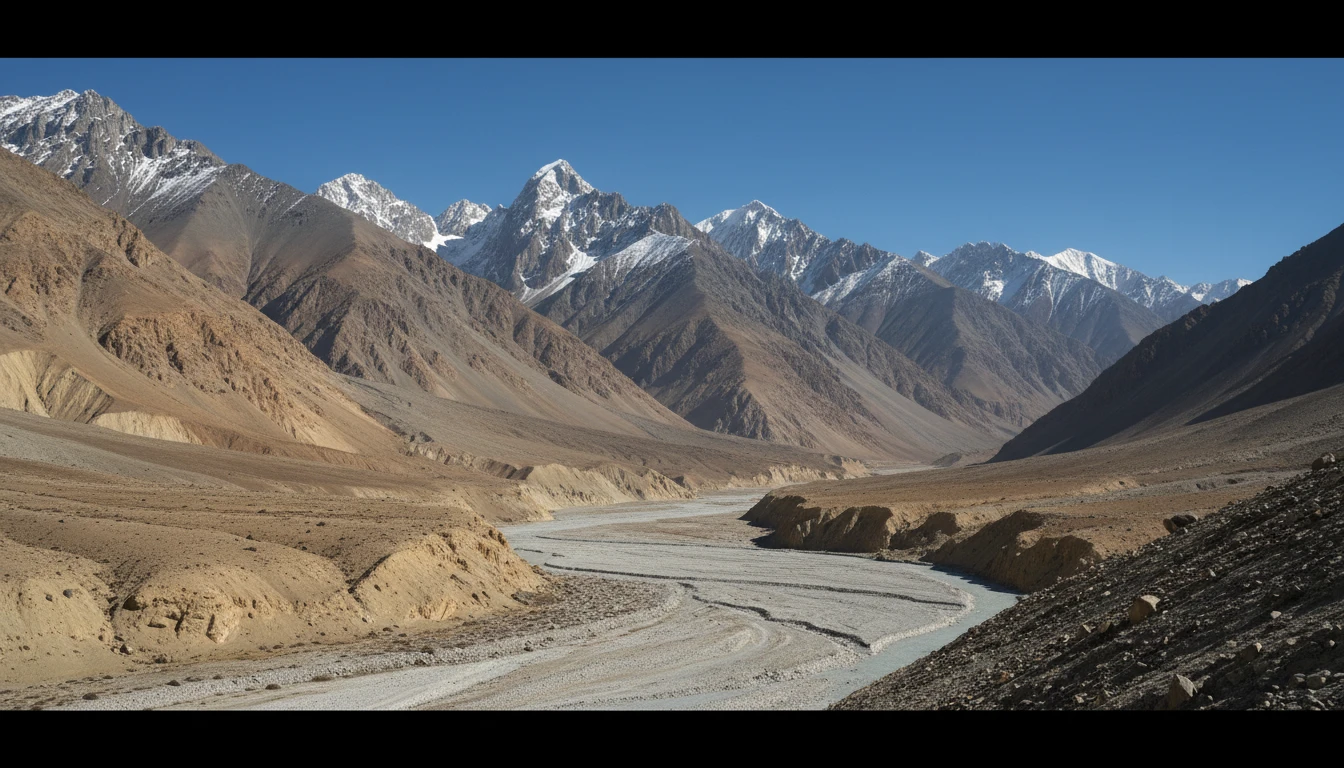
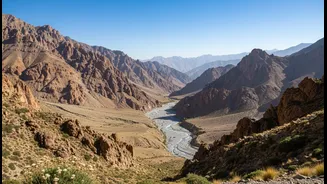
ascends, it cools and releases its moisture as heavy rain on the southern, windward side, which includes regions like Himachal Pradesh, Uttarakhand, and Jammu and Kashmir. By the time this air mass crosses the high peaks and descends onto the Tibetan plateau, where Ladakh and Spiti are located, it has lost most of its moisture. This process leaves the land to the north incredibly arid, creating the stunning high-altitude cold deserts that travellers seek out. While the rest of the country is drenched, these areas receive only light, occasional showers, if any.
What This Means for Monsoon Travellers
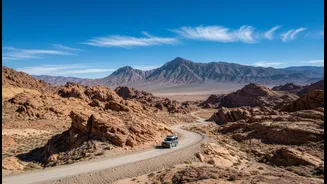
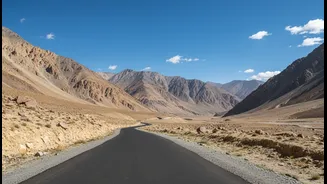
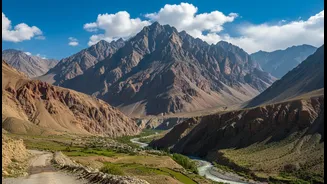
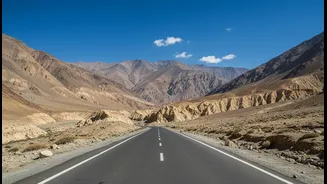
For vacationers, this climatic quirk is a game-changer. While popular hill stations shut down or become risky, Ladakh and Spiti hit their stride between July and September. The weather within these valleys is generally pleasant, with warm sunny days perfect for sightseeing. Internal roads connecting Leh to Nubra Valley, Pangong Lake, and Tso Moriri are typically open and clear of snow. Similarly, in Spiti, attractions like Key Monastery, Kaza, and the villages of Hikkim and Langza are fully accessible. This period often means fewer crowds compared to the peak pre-monsoon rush, and you might find better deals on accommodation and transport. The landscape, often stark and brown, can even reveal hints of green in the valleys, offering a unique visual contrast.
The Journey Is the Real Challenge
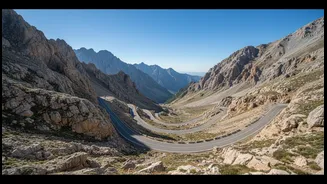
While the destinations themselves are safe, getting there is the most significant hurdle during the monsoon. The two main land routes, the Manali-Leh Highway and the Srinagar-Leh Highway, pass through the very regions that receive the brunt of the monsoon rains. Stretches of these highways, particularly the Manali-Rohtang-Sarchu axis and the Sonamarg-Zojila Pass section near Srinagar, are highly susceptible to landslides, flash floods, and slushy conditions. Similarly, the road from Shimla to Spiti via Kinnaur, while generally more reliable, has landslide-prone zones. Travellers must be prepared for unpredictable delays and potential road closures that can last for hours or even days. Hiring an experienced local driver and building extra buffer days into your itinerary is not just a recommendation; it's essential for a safe trip.
Planning a Smarter Monsoon Escape
Given the risks on the road, the safest and most reliable way to reach Ladakh during the monsoon is to fly directly into Leh. This bypasses all the hazardous highway sections. Once in Leh, you can hire a local vehicle to explore the dry inner region. For Spiti, the recommended route during monsoon is from the Shimla side, as it's generally more stable than the Manali-Kaza road. However, even on the Shimla route, you must check the daily road status updates from authorities like the Border Roads Organisation (BRO) and local police. It's also important to note that climate change is making weather patterns more unpredictable. Ladakh has seen an increase in rainfall in recent years, which can lead to localised flash floods in a landscape not equipped to handle water. Always stay informed and flexible with your plans.