




Goa's Green Makeover
The idea of an 'off-season' in Goa is quickly becoming a thing of the past. From June to September, the coastal state undergoes a dramatic transformation. The once-brown landscapes turn into a vibrant green canvas, rivers swell, and the air fills with
the fresh, earthy scent of rain-soaked soil. This shift has given rise to a new tourism trend, backed by the government, that encourages visitors to explore the Goan hinterlands. While beach shacks may close and swimming in the rough sea is off-limits, an entirely different set of adventures opens up inland, revealing a quieter, more serene side of Goa that enchants nature lovers and those seeking a peaceful escape.
Chasing Majestic Waterfalls
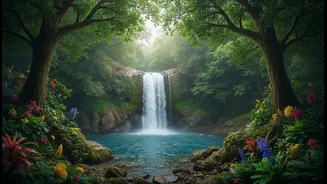
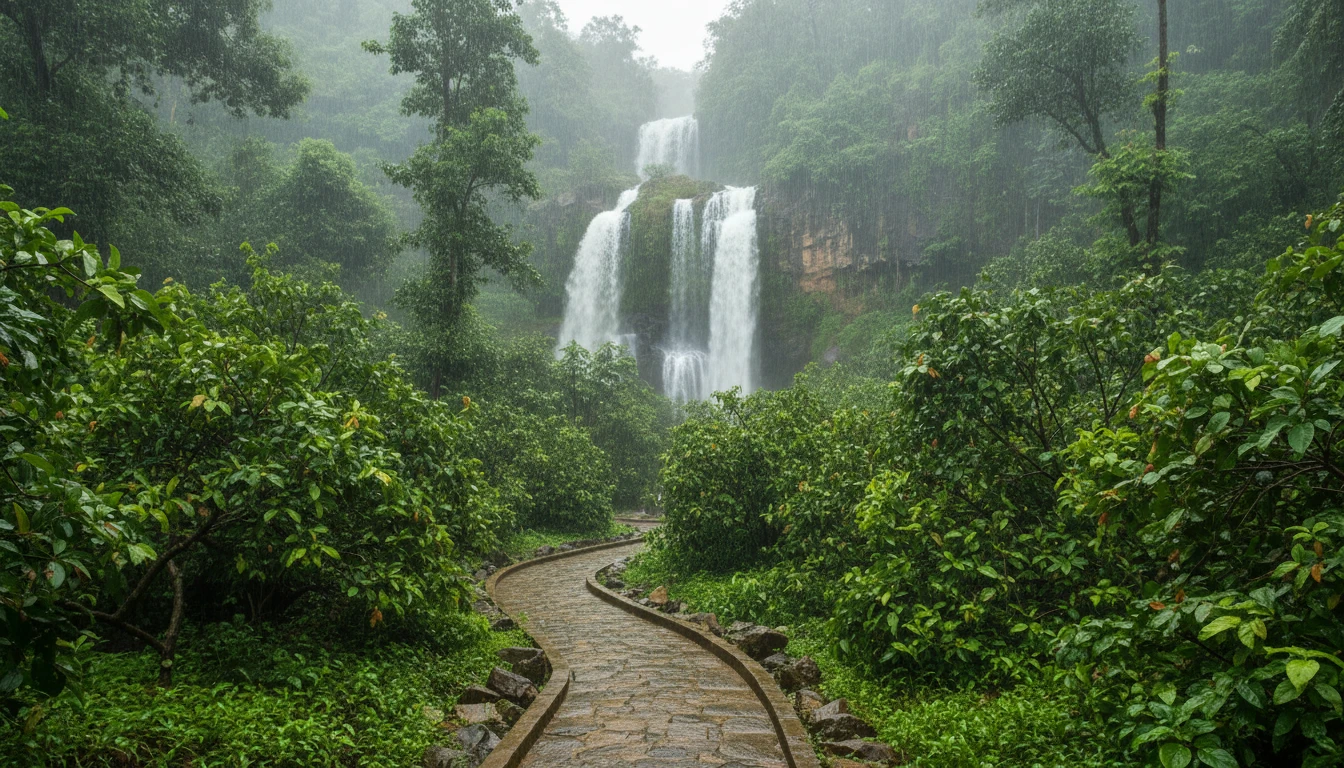
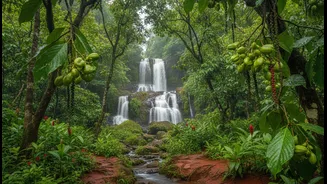
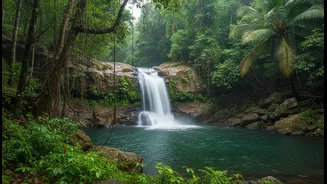
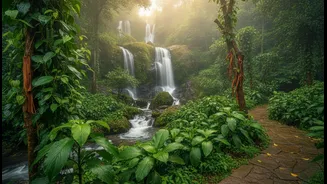
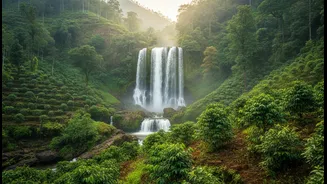
The monsoon is the best time to witness Goa's waterfalls in their full, thundering glory. The most famous of these is Dudhsagar Falls, which becomes a powerful cascade resembling a 'sea of milk'. However, access can be tricky during heavy rains, with jeep safaris often suspended for safety. As of late July 2026, authorities have kept the falls closed due to intense rainfall, advising tourists to check official updates before planning a visit. Thankfully, Goa has other accessible and equally beautiful options. Harvalem Waterfall in North Goa offers a more peaceful experience, while Tambdi Surla and Kesarval waterfalls also come alive during this season, surrounded by dense, verdant forests that make for a perfect monsoon trek.
A Walk on the Wild Side
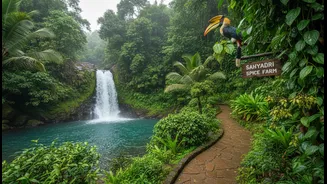
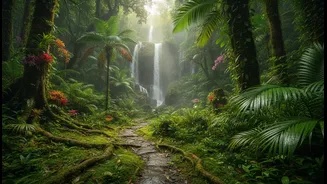
Goa's wildlife sanctuaries offer a unique experience during the monsoon. The rains rejuvenate the forests, making them burst with life. Sanctuaries like Cotigao, Mhadei, and Bhagwan Mahavir (which includes Mollem National Park) are particularly rewarding this time of year. The Netravali Wildlife Sanctuary in southeast Goa becomes a haven of biodiversity, with trekking trails leading to waterfalls like Savari and Mynapi, and opportunities to spot orchids, frogs, and various birds. The Salim Ali Bird Sanctuary on Chorao Island, accessible by a short ferry from Panjim, is a paradise for birdwatchers, with kingfishers and egrets being common sights. Though some larger animals may be shy, the lush environment and rich birdlife provide a captivating experience for nature enthusiasts.
The Aromatic Allure of Spice Farms
A visit to a spice plantation is a sensory journey that is especially delightful in the monsoon. Located primarily around Ponda, these farms offer guided tours where you can see spices like pepper, cardamom, nutmeg, and vanilla growing in their natural habitat. Plantations such as Sahakari Spice Farm and Tropical Spice Plantation welcome visitors with herbal teas and provide fascinating insights into organic farming and the history of the spice trade. The tour often concludes with a traditional Goan lunch served on banana leaves, featuring dishes prepared with the farm's fresh spices. The entire experience, from the fragrant air to the flavourful food, offers an authentic taste of Goan culture and agriculture.
Beyond the Obvious: Rivers, Rafting and Heritage
The monsoon adventure in Goa doesn't end with waterfalls and forests. The season opens up opportunities for white-water rafting on the Mhadei River, an activity only available during these months. For a calmer experience, kayaking on the serene backwaters of the Chapora or Nerul rivers offers a meditative journey through mangrove forests. The rain also adds a romantic charm to exploring Goa's heritage. A walk through the colourful, rain-washed lanes of Fontainhas, Panjim's Latin Quarter, feels like stepping back in time. You can also explore the historic churches of Old Goa or take a leisurely drive through the quiet, scenic islands of Divar and Chorao, experiencing the local 'susegad' lifestyle at its most authentic.