

The Ancient Wisdom in Your Batter
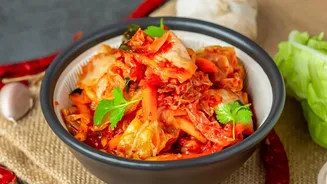
Fermentation is a timeless practice where foods undergo a natural transformation, thanks to beneficial microorganisms like bacteria and yeast. In Indian cuisine, this process is the magic behind the fluffy texture of idlis, the crispiness of dosas, and the tang
of dhoklas. When rice and lentil batters are left to sit, these microbes get to work, breaking down sugars and starches. This doesn't just create delicious flavours; it fundamentally changes the food's structure, making it a powerhouse of digestive benefits. This age-old technique essentially 'pre-digests' the food, making it easier for our bodies to handle.
Probiotics: Your Gut's Best Friends
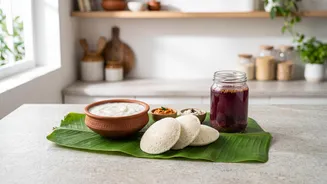
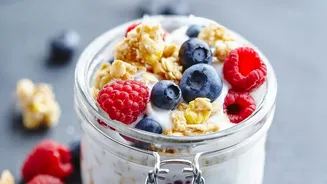
The primary benefit of fermented foods comes from probiotics, the live, beneficial bacteria that support a healthy gut. A balanced gut microbiome—the community of trillions of microbes in your digestive system—is crucial for everything from nutrient absorption to immune function. Foods like dosa, idli, and homemade dahi (curd) are rich sources of these friendly bacteria, such as Lactobacillus. Regular consumption helps increase the diversity of good bacteria, which can reduce common digestive issues like bloating and gas while strengthening your gut's natural defences.
Why Dinner Is the Perfect Time
Choosing fermented foods for dinner offers a unique overnight advantage. While you sleep, your digestive system slows down but continues to work. A heavy, complex meal can overburden it, leading to discomfort, poor sleep, and a sluggish feeling in the morning. Light, fermented foods, however, are already partially broken down. This means your gut doesn't have to work as hard to extract nutrients. Opting for a steamed idli or a lightly prepared dosa provides your body with slow-releasing energy and easy-to-digest nutrients, promoting a peaceful night's rest and better digestive harmony. Some experts recommend having fermented foods earlier in the day, but the key is to listen to your body and avoid overly large portions before bed.
Enhanced Nutrient Absorption
Fermentation does more than just aid digestion; it also unlocks more nutrition from your food. The process breaks down 'anti-nutrients' like phytic acid found in grains and legumes, which can interfere with the absorption of essential minerals. This makes minerals like iron, zinc, and magnesium more bioavailable, meaning your body can absorb and use them more effectively. Fermentation also creates new nutrients, including B vitamins, which are vital for energy production. So, that simple plate of idli isn't just light on the stomach—it's also richer in accessible nutrients.
Smart Choices for Your Evening Meal
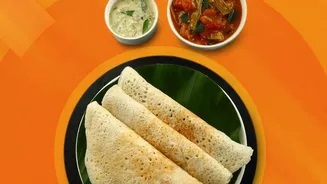
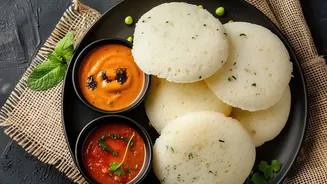
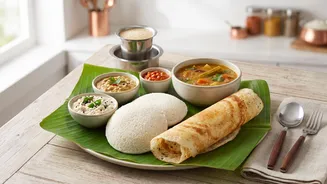
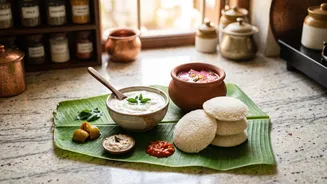
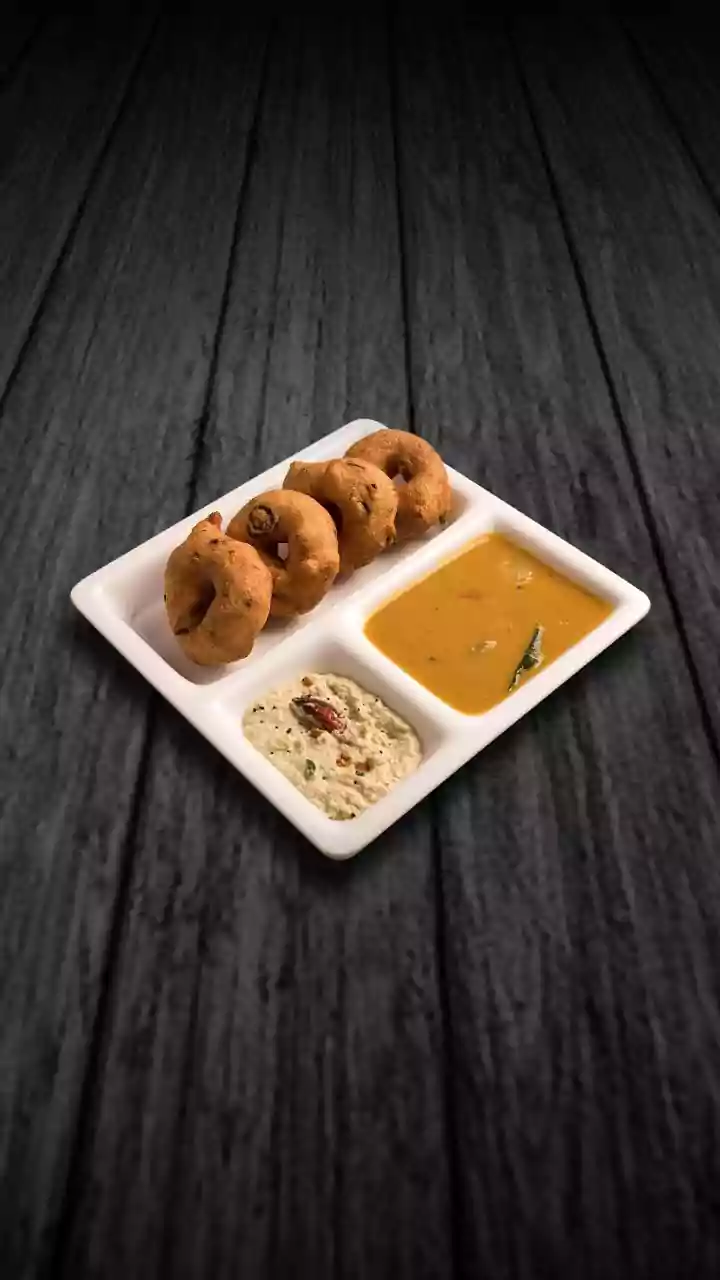
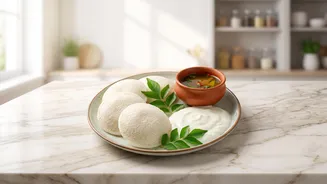
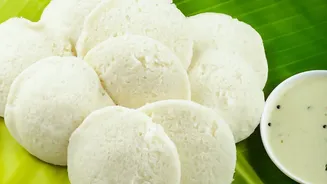
Not all fermented dishes are created equal for dinner. The best options are those that are light and not laden with excess oil or spice. Steamed idlis are an excellent choice because they are fatfree and easy on the digestive system. A plain dosa, made with minimal oil, is another great option. Pair them with a simple, vegetablerich sambar for added fibre and protein, which helps create a balanced meal. Try to avoid heavy accompaniments like rich, creamy curries or large portions of potato filling. A side of homemade curd or a light buttermilk (chaas) can further enhance the probiotic benefits and aid digestion.