









The Humidity Factor: More Than Just Heat
The simplest answer lies in humidity. During the monsoon, the air becomes saturated with moisture. While rain can cause a temporary drop in the air temperature, the high humidity that follows has a powerful effect on how we perceive heat. Our bodies cool
themselves by sweating; as sweat evaporates from our skin, it takes heat with it. However, when the air is already full of water vapour, this evaporation process slows down dramatically. As a result, sweat clings to the skin, and our natural cooling system becomes ineffective. This is why the 'feels like' temperature, or heat index, is often significantly higher than the actual thermometer reading. A 35°C day with high humidity can feel more oppressive and dangerous than a 40°C day in a dry climate.
The Concrete Jungle's Trap
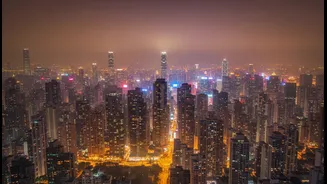
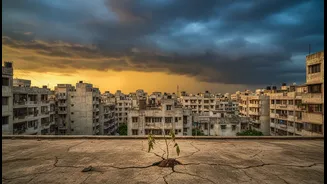
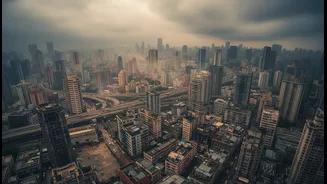
Indian cities have become sprawling jungles of concrete and asphalt, and these materials are a major culprit. During the day, buildings, roads, and other dark surfaces absorb and store vast amounts of solar radiation. Unlike natural landscapes with soil and vegetation that absorb less heat and cool down through evapotranspiration, these man-made surfaces retain warmth long after the sun has set. This phenomenon, known as the Urban Heat Island (UHI) effect, prevents cities from cooling down at night. The heat radiates back into the atmosphere, leading to warmer nights and preventing our bodies and homes from getting a much-needed respite from the day's heat. Studies show that urban areas in India can be several degrees warmer than their surrounding rural counterparts.
When Buildings Can't Breathe
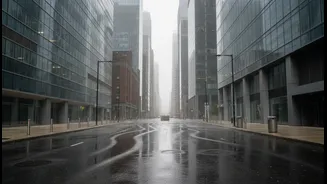
The way our cities are built exacerbates the problem. Densely packed high-rises create 'urban canyons' that trap heat and block the natural flow of wind. This lack of ventilation means the hot, humid air stagnates, creating a stifling microclimate at street level. Many modern buildings are designed without consideration for cross-ventilation, relying instead on air conditioning. This not only consumes enormous amounts of energy but also pumps more waste heat out into the immediate surroundings, further warming the city. Homes, especially in low-income areas, often feature poor ventilation and are constructed with heat-trapping materials like concrete and tin roofs, turning them into furnaces at night.
A Dangerous Combination
Separately, humidity, concrete, and poor ventilation are significant challenges. Together, they create a dangerous cycle. The urban heat island effect raises baseline temperatures, while high humidity makes that heat feel even more intense and harder for our bodies to handle. Poor ventilation traps this hot, moist air, ensuring there is little to no relief, even indoors or at night. This combined effect is measured by the wet-bulb temperature, which accounts for both heat and humidity. As wet-bulb temperatures rise in Indian cities during the monsoon, the risk of heat stress, heat exhaustion, and even fatal heatstroke increases substantially, particularly for outdoor workers and vulnerable populations.
Building Cooler Cities
Addressing this sticky situation requires a fundamental shift in urban planning. Experts point towards a range of solutions known as 'passive cooling' strategies. Increasing green cover by planting more trees, creating parks, and developing green roofs helps provide shade and cools the air through evapotranspiration. Using 'cool' materials, such as reflective paints and paving, can significantly reduce how much heat buildings and surfaces absorb. Furthermore, designing buildings and city layouts that prioritize natural airflow and ventilation can help dissipate trapped heat. These strategies, which are being integrated into plans in cities like Chennai and Mumbai, are crucial for making our urban environments more liveable and resilient as temperatures continue to rise.