





Master Your Light Source
Before you buy a single plant, become an expert on your apartment's light. This is the single most important factor for success. For a few days, observe how sunlight moves through your rooms. Which windows get bright, direct sun, and for how long? Which corners
remain in shadow most of the day? North-facing windows provide low, indirect light, ideal for plants that burn easily. South-facing windows offer bright, intense light for much of the day. East-facing windows get gentle morning sun, while west-facing ones receive strong afternoon sun. Most apartments have 'bright, indirect light'—meaning a spot near a window but out of the sun's direct rays. Understanding this will guide every plant choice you make and prevent the common tragedy of a sun-loving plant languishing in a dark corner.
Choose Plants That Forgive
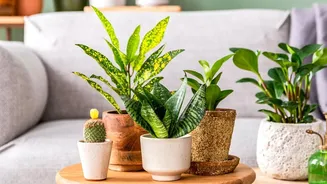
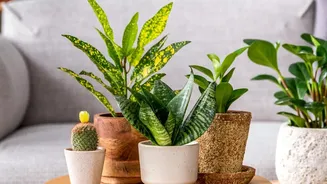
The key to easy apartment greenery is selecting plants that are resilient and suited to indoor conditions. Don't start with a finicky orchid or a demanding fern. Instead, look for hardy varieties famous for their tolerance. The Snake Plant (Sansevieria) and ZZ Plant (Zamioculcas zamiifolia) are champions of low-light environments and are extremely drought-tolerant, making them perfect for busy or forgetful owners. Pothos (Epipremnum aureum) is another fantastic choice; its trailing vines look beautiful on shelves, and it communicates its needs clearly, drooping slightly when thirsty. These plants are not just easy; they are forgiving. They can bounce back from minor neglect and will build your confidence as a new plant parent.
The Golden Rule of Watering
The most common mistake in plant care is not under-watering, but overwatering. Enthusiastic new owners often kill their plants with kindness, drowning the roots and causing rot. The golden rule is simple: check the soil first. Instead of watering on a rigid schedule, stick your finger about an inch or two into the soil. If it feels dry, it is time to water. If you feel any moisture, wait a few more days and check again. When you do water, do it thoroughly. Let water run through the pot until it escapes from the drainage hole at the bottom. This ensures the entire root system gets a drink. Then, discard any excess water from the saucer. Letting a plant sit in a puddle is the fastest way to invite root rot.
Pots, Soil, and Drainage Matter
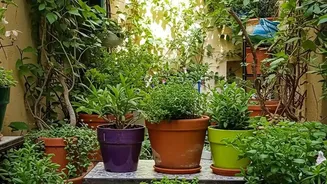
The container you choose is more than just decoration; it is your plant's home. The most critical feature of any pot is a drainage hole. Without it, water has nowhere to go, creating a swampy environment that will suffocate the roots. If you fall in love with a decorative pot that has no hole, you can use it as a 'cachepot'. Simply keep your plant in its plastic nursery pot (which has holes) and place it inside the decorative one, removing it to water. Also, use a quality potting mix designed for indoor plants. Avoid using soil from your garden, which is too dense, may contain pests, and does not drain properly in a container. Fresh potting mix provides the right balance of aeration, moisture retention, and nutrients to help your greenery thrive from the start.
Simple Habits for Fresh Foliage
Once you have the basics down, a few simple maintenance habits will keep your plants looking their best. Indoor environments can be dusty, and a layer of dust on leaves can block light and hinder photosynthesis. Gently wipe down the leaves with a damp cloth every few weeks to keep them clean and glossy. As you do, take the opportunity to inspect your plant for any signs of pests, like tiny webs or sticky spots. Catching these issues early makes them much easier to treat. Most houseplants also benefit from a bit of feeding during their growing season (typically spring and summer). A balanced, all-purpose indoor plant fertiliser, used according to the package directions once a month, will provide the nutrients they need to produce fresh, vibrant growth.