





What Is Menu Engineering?
For decades, menu engineering has been the secret sauce of successful restaurants. It's the practice of strategically designing a menu to maximize profitability. Traditionally, this involved analyzing two key factors for each dish: its popularity (how
often it sells) and its profitability (the profit margin on each sale). Restaurateurs would use this data, often tracked through spreadsheets and pure intuition, to highlight popular, high-profit items and reconsider or reprice those that weren't performing well. The goal was to guide customers subtly toward the most financially rewarding choices for the business.
The Old-School Approach
Before AI, menu engineering was a manual, often tedious, process. It relied on managers poring over sales reports, using basic spreadsheets, and applying psychological tricks. Think of the classic strategies: placing the most profitable items in the 'sweet spots' where a diner's eyes fall first, using descriptive language to make a dish sound irresistible, or setting a very expensive 'decoy' item to make others seem more reasonable. While effective to a degree, this approach was based on past performance and a fair amount of guesswork. It couldn't adapt quickly to changing trends, supply chain issues, or even the weather.
AI Joins The Table
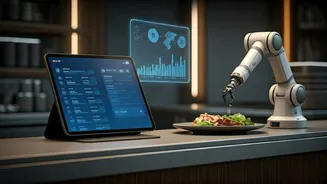
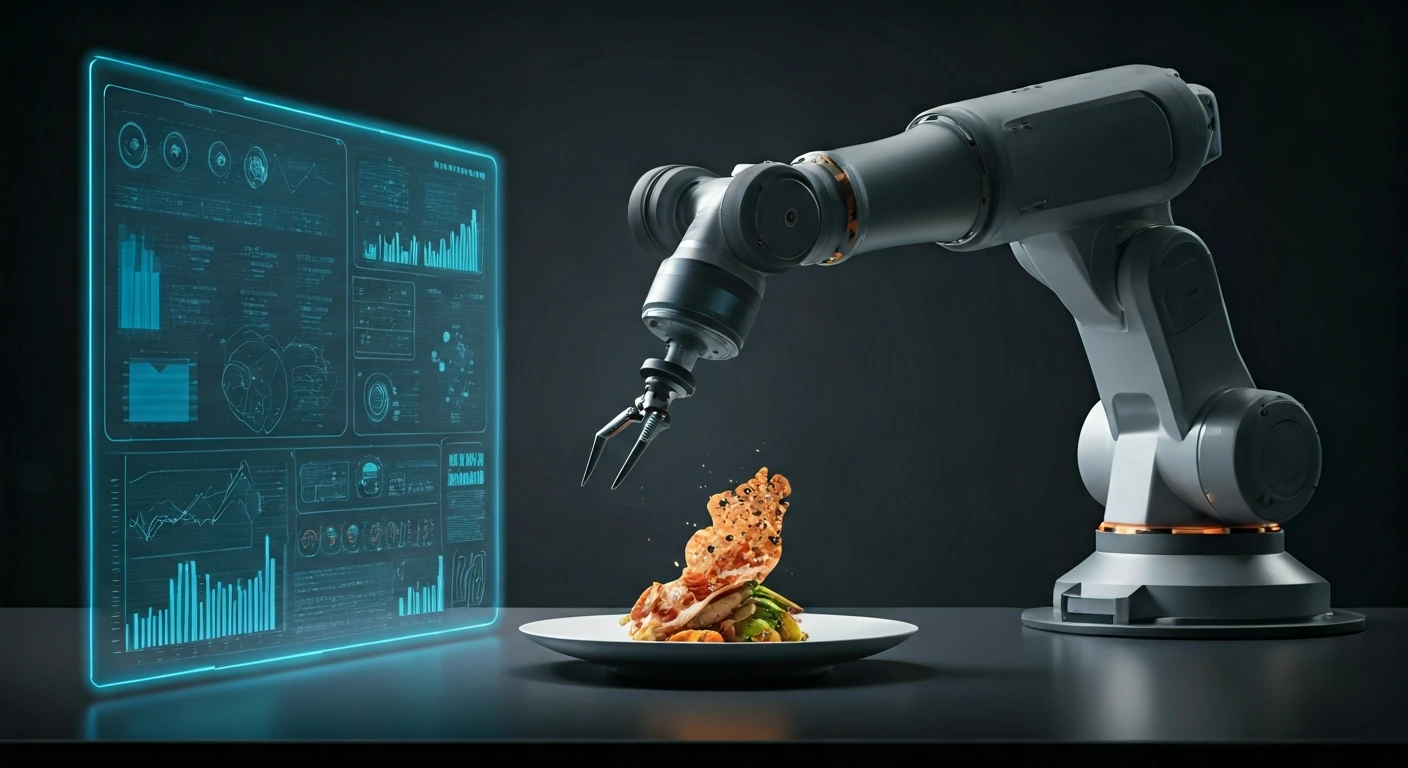
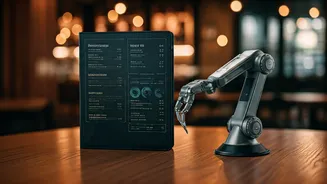
Artificial intelligence transforms menu engineering from a quarterly review into a dynamic, real-time strategy. Instead of just looking at sales and profit, AI algorithms can analyze a massive volume of data from multiple sources at once. This includes point-of-sale data, ingredient costs, inventory levels, prep time, local events, time of day, and even online reviews and social media trends. By processing this information, AI can spot patterns and make recommendations that a human manager might never see, helping restaurants make faster, better-informed decisions.
Smarter Pricing and Personalization
One of the most powerful applications of AI in this space is dynamic pricing. Similar to how airlines and ride-sharing apps adjust fares based on demand, restaurants can use AI to optimize prices. This could mean a slight increase on a popular dish during a busy Friday night or offering a discount during a slow Tuesday afternoon to attract more customers. Beyond pricing, AI can also personalize the dining experience. Digital menus could, in the future, reorder themselves based on a customer's known dietary preferences or past orders, creating a unique menu for every diner.
Beyond Just Profits
The benefits of AI-powered menu engineering extend beyond simply boosting the bottom line. A major advantage is the significant reduction in food waste. By more accurately forecasting demand for specific dishes, restaurants can optimize their purchasing and preparation, ensuring they don't overproduce food that ends up in the bin. Some AI systems can even suggest new recipes to use up ingredients that are nearing their expiration date. This not only saves the restaurant money but also contributes to a more sustainable operation, a growing concern for both businesses and consumers.
The Human Element
Of course, this raises the question: does data-driven optimization remove the heart and soul of cooking? Not necessarily. Experts suggest AI is a tool to enhance, not replace, a chef's creativity. For example, a signature dish that is central to a brand's identity might not be the most profitable, but AI can help operators understand its value in driving customer demand and loyalty. The technology handles the complex data analysis, freeing up chefs and managers to focus on what they do best: creating delicious food and a welcoming atmosphere. While only 7% of restaurants currently use AI for menu optimization, the trend is growing as the technology becomes more accessible.