





The Hidden Toll of the Desk Job
For many Indian professionals, spending eight to ten hours a day sitting has become the norm. This sedentary lifestyle, however, is linked to a host of health problems. Studies show that prolonged sitting increases the risk of obesity, type 2 diabetes,
heart disease, and even certain cancers. In India, a significant percentage of office workers report issues like musculoskeletal discomfort, low energy levels, and poor concentration due to long hours at a desk. The reality is stark: our bodies were not designed for such prolonged inactivity, and the effects are catching up with a younger demographic than ever before.
The Solution: Adopt the Micro-Break
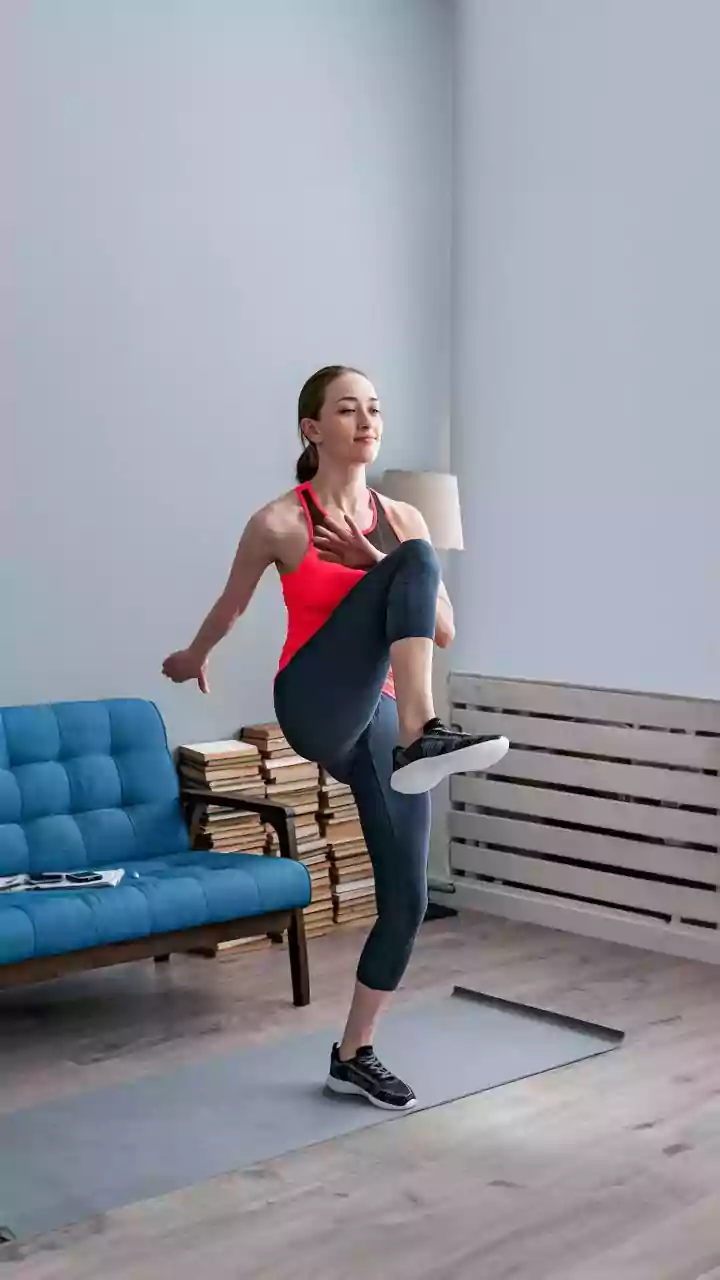
The answer isn't to quit your job or spend hours at the gym. The most effective and low-effort habit you can adopt is the 'micro-break'. A micro-break is a short, intentional pause of one to five minutes taken every hour or so to move your body. It's not about slacking off; it's about resetting your body and mind. These brief pauses break the cycle of prolonged sitting, improve blood circulation, and reduce muscle strain. Research shows that these small interruptions can decrease physical pain, reduce stress, and even boost focus and productivity when you return to your task.
Putting It Into Practice: Simple Movements
Integrating micro-breaks is simpler than it sounds. The key is to make movement a natural part of your workday. You don't need special equipment or a lot of space. Start by standing up whenever you take a phone call. Instead of sending an email to a colleague nearby, walk over to their desk. When you go to refill your water bottle, take a slightly longer route. Opt for the stairs instead of the elevator. These small actions accumulate, helping to counteract the negative effects of sitting all day. The goal is to avoid being still for long, continuous periods.
Discreet Desk Exercises for a Quick Reset
Even when you're tied to your chair, you can still be active. These simple stretches can be done discreetly at your desk to alleviate tension.
1. Neck Rotations: Gently tilt your head from side to side, bringing your ear towards your shoulder. Hold for 10-15 seconds on each side to relieve neck stiffness.
2. Seated Spinal Twist: While sitting, twist your torso to one side, using the chair's back for a gentle stretch. Hold for a few seconds and repeat on the other side. This helps with back tightness.
3. Shoulder Blade Squeeze: Sit tall and pull your shoulder blades together, as if you're trying to hold a pencil between them. Hold for 10 seconds to reverse the slouching posture from typing.
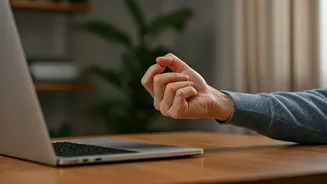
4. Wrist and Finger Stretches: Extend your arms and rotate your wrists. Open and close your fists to relieve strain from typing.
Don't Forget Your Eyes and Hydration
A truly holistic, low-effort approach includes more than just muscle movement. Staring at a screen for hours causes significant eye strain. Practice the 20-20-20 rule: every 20 minutes, look at something 20 feet away for 20 seconds. This simple habit allows your eye muscles to relax. Equally important is hydration. Keeping a water bottle at your desk and sipping throughout the day not only maintains energy levels but also encourages you to get up for refills—a perfect excuse for a micro-break.