




The Street-Side Staple: Roasted Corn (Bhutta)
The quintessential monsoon snack, roasted corn on the cob, or bhutta, is more than just comfort food. It’s a healthy choice that’s widely available in August. Corn is a good source of fibre, which aids digestion—a common concern during the rainy season
when our metabolism can feel sluggish. It's also packed with antioxidants. Enjoyed simply roasted over charcoal and seasoned with salt, chilli, and a squeeze of lime, it’s a snack that is both delicious and nutritionally sensible.
The Gentle Healers: Gourds like Lauki and Karela
The monsoon harvest is rich with various gourds, and two standouts are bottle gourd (lauki) and bitter gourd (karela). While not always the most glamorous vegetables, they are highly recommended by dietitians for this season. Lauki is over 90% water and very light on the stomach, making it excellent for hydration and easy digestion. Karela, despite its bitterness, is a powerhouse for boosting immunity and has antiviral properties. Both are best consumed well-cooked in curries or soups, as Ayurveda suggests favouring warm, cooked meals during the monsoon to support a weaker digestive fire.
The Immunity Boosters: Jamun and Pomegranate
As mango season fades, other fruits take centre stage. Jamun (Indian blackberry) is an iconic monsoon fruit available until August. It is celebrated for its ability to help regulate blood sugar and is rich in iron and Vitamin C, which helps fight the fatigue common during this season. Pomegranate (anar) is another seasonal gem, prized for its high antioxidant content and ability to boost haemoglobin levels. Both fruits are excellent for strengthening the immune system against common monsoon infections like colds and flu.
The Late Monsoon Arrivals: Peaches and Plums
Appearing towards the later part of the rainy season, peaches (aadu) and plums (aloo bukhara) are a welcome treat. These stone fruits are loaded with vitamins A and C, antioxidants, and dietary fibre. Vitamin C is crucial for a strong immune system, while fibre helps maintain smooth digestion. Experts advise washing these fruits thoroughly under running water, as their skins can trap residue in the humid weather. Their natural sweetness offers a healthy way to satisfy sugar cravings.
The Foundation of Wellness: Warming Spices
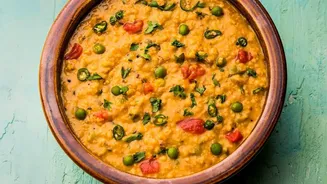
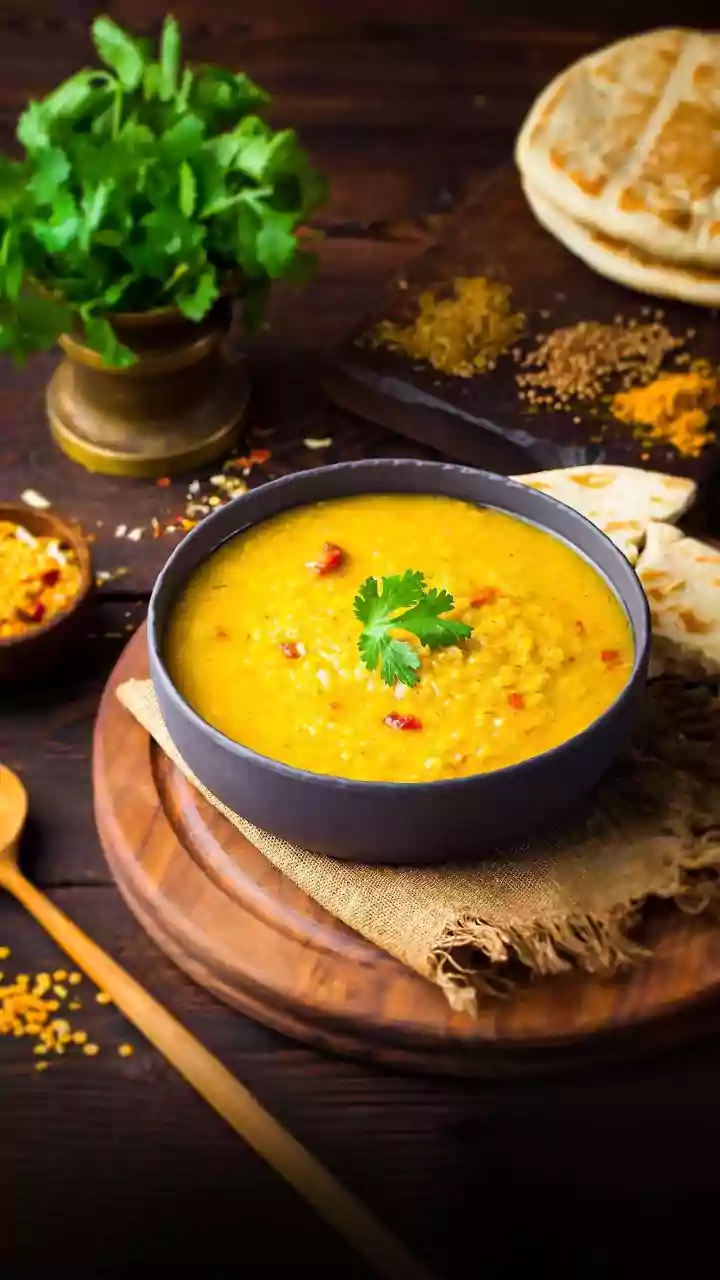
Beyond specific fruits and vegetables, experts emphasise the role of warming spices in a monsoon diet. Ginger, turmeric, and black pepper are not just for flavour; they have tangible health benefits that are especially useful during this time. Ginger and black pepper are known to aid digestion and help the body absorb nutrients more effectively. Turmeric is a powerful anti-inflammatory and antiseptic agent. Incorporating these spices into daily cooking, such as in dals, soups, and herbal teas, is a simple and effective way to support overall health and keep warm from the inside out.