




A Chorus in the Concrete Jungle
Close your eyes on a rainy evening and listen. That resounding chorus of croaks isn't just background noise; it's the city’s amphibian population celebrating the rains. The Indian Bullfrog, one of the most common species, emerges from its slumber during
this season. The monsoon is their prime time for breeding, and the males' croaks are loud advertisements to attract a mate. These frogs play a vital role, feasting on insects that thrive in the damp conditions. Alongside them, the near-constant chirping of crickets and cicadas provides the monsoon’s signature soundtrack, as these insects also become far more active with the arrival of moisture.
Peacocks on Parade
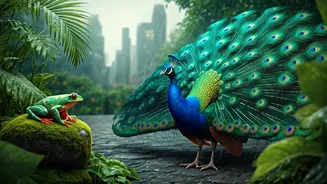
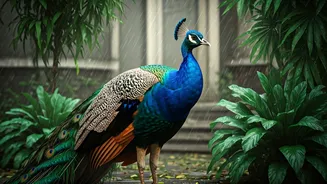
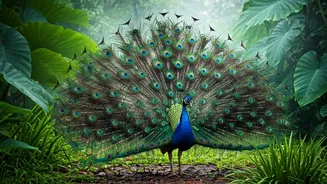
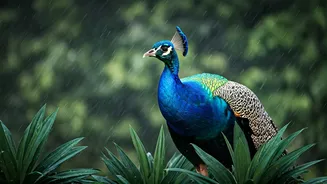
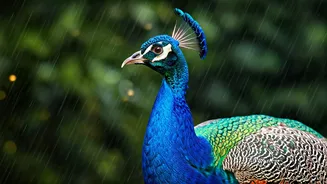
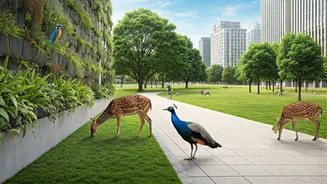
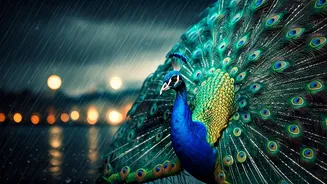
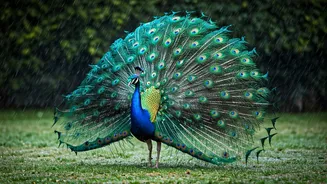
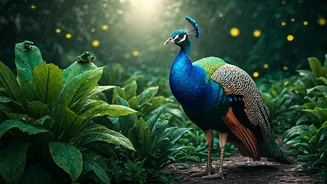
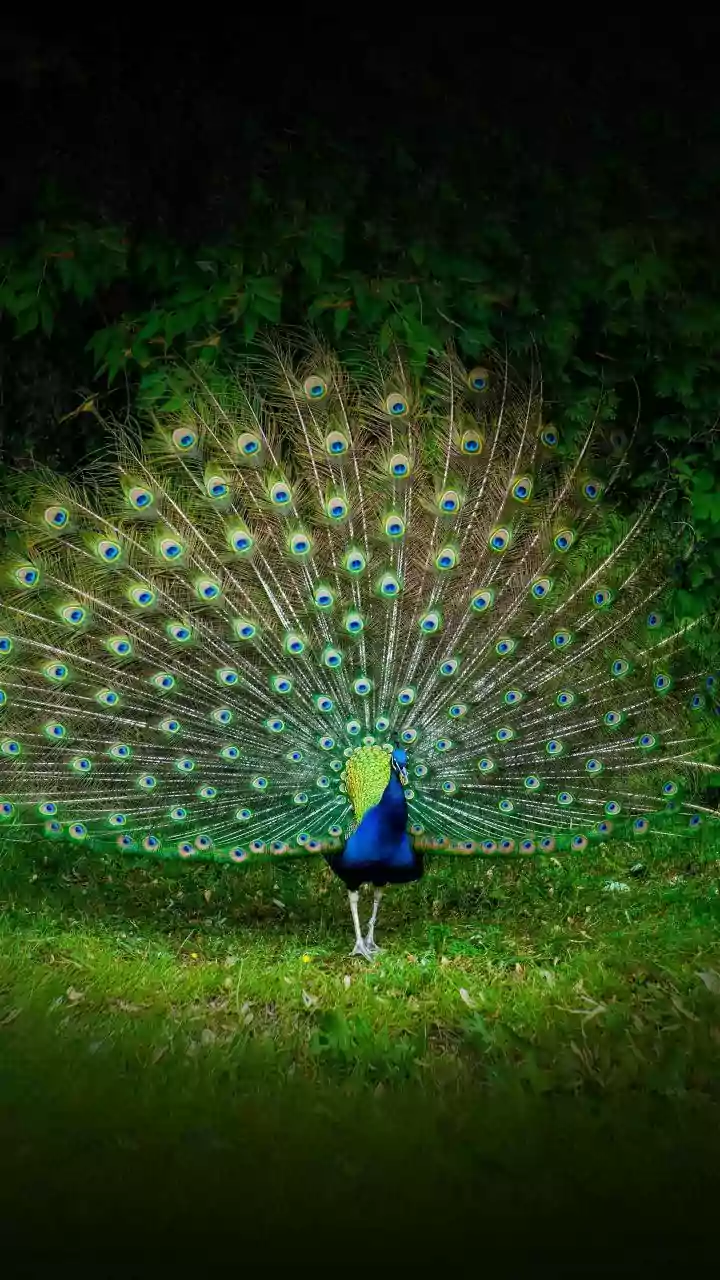
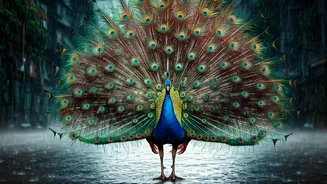
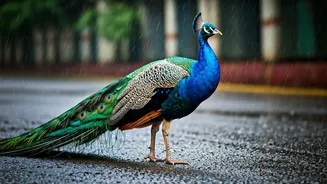
There are few sights as startlingly beautiful as a peacock in an urban setting. This monsoon, residents of South Mumbai were delighted by videos of a peacock and peahen strolling down the busy Pedder Road. Such sightings become more common during the rains, which is the peafowl's breeding season. The iconic dance, where the male fans his spectacular tail, is a courtship ritual timed to coincide with the rejuvenated landscape. While often associated with forests, peacocks have adapted remarkably to city life, finding homes in parks, university campuses, and even on rooftops, their calls echoing between high-rises. Their increased presence across cities like Delhi and Mumbai serves as a vibrant reminder of nature’s resilience.
Feathered Friends Flourish
For many bird species, the monsoon means a feast. The rain triggers a surge in insect populations, providing an abundant food source for birds to raise their young. Many birds, from common bulbuls and sparrows to barbets, use this time for breeding and nesting. In cities with wetlands or lakes, the drama is even more pronounced. Pheasant-tailed Jacanas, in their stunning breeding plumage, can be seen walking on floating vegetation, while various kingfisher species become more active. Even shy birds like bitterns may become more visible as they hunt in the replenished water bodies. The monsoon transforms urban green spaces into bustling nurseries for our avian neighbours.
The Nighttime Glow
As dusk falls after a day of rain, another kind of magic appears: fireflies. These bioluminescent beetles turn parks and wooded areas into enchanting landscapes. The light they produce is part of their mating ritual, a silent, flickering conversation in the dark. The pre-monsoon and monsoon months, with their high humidity and lush vegetation, create the perfect breeding conditions for them. While light pollution from cities threatens their populations, pockets of darkness in gardens and less developed areas can still host these mesmerising displays. Spotting fireflies is a rare treat that speaks of a healthy micro-ecosystem, even in the heart of a metropolis.
A Reptilian Resurgence
The rains also bring out the more secretive residents of the city. As their burrows flood, snakes may become more visible as they seek dry ground and new shelter. While this requires caution, most urban snakes are non-venomous species like the rat snake, which play a crucial role in controlling rodent populations. The monsoon is also a key time for many reptiles to breed. You might also spot garden lizards, like the common skink, more frequently as they hunt for the abundance of insects and worms that emerge in the damp soil. These creatures are a vital, if often misunderstood, part of the urban ecosystem.