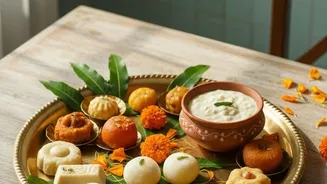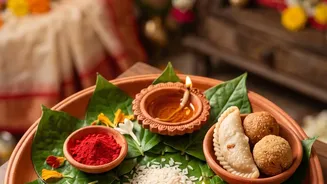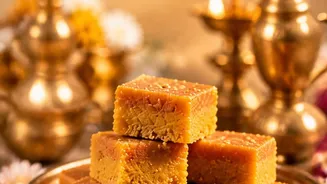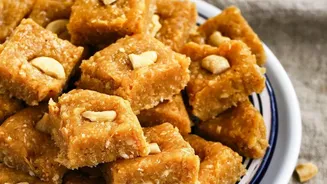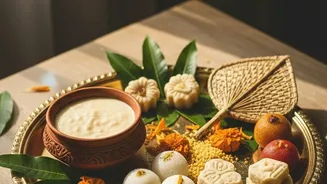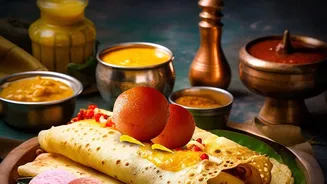



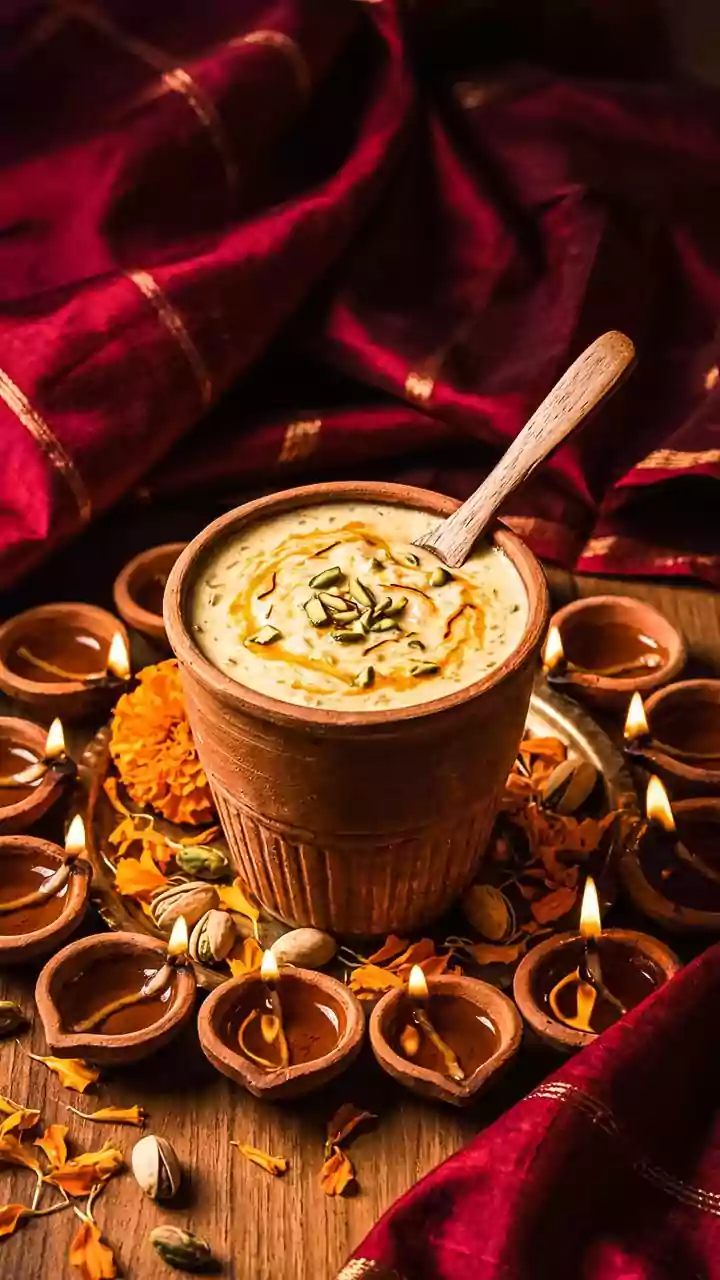
As diyas glow on this Diwali night of November 8, 2026, the air is thick with more than just festive cheer; it's fragrant with the scent of homemade sweets. Beyond the lights, this is a story of tradition, love, and family, all told through trays of mithai.
The Heart of the Festive Kitchen
Weeks before the main day of Diwali, kitchens across India transform into bustling hubs of culinary activity. The gentle aroma of ghee melting in a pan, the rhythmic sound of dough being kneaded, and the sight of semolina or gram flour roasting to a perfect nutty brown are the true harbingers of the festival. For many families, making sweets at home is a cherished ritual, a way to connect with past generations through recipes that have been lovingly passed down. It’s a tradition that goes beyond just preparing food; it’s about creating memories, sharing stories, and involving everyone, from grandparents to grandchildren, in the festive preparations. This act of making 'mithai' together signifies the start of the celebrations, turning simple ingredients like flour, sugar, nuts, and milk into edible symbols of joy and togetherness.
Timeless Classics on the Thali
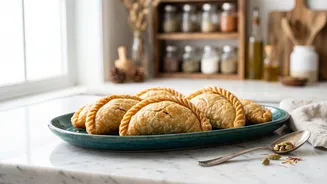
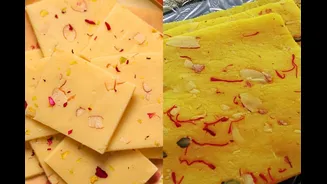
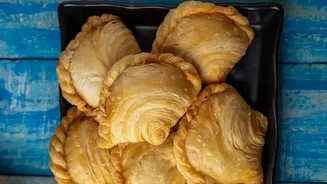
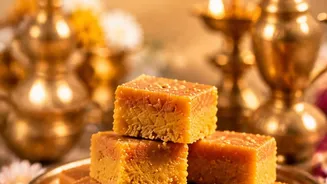
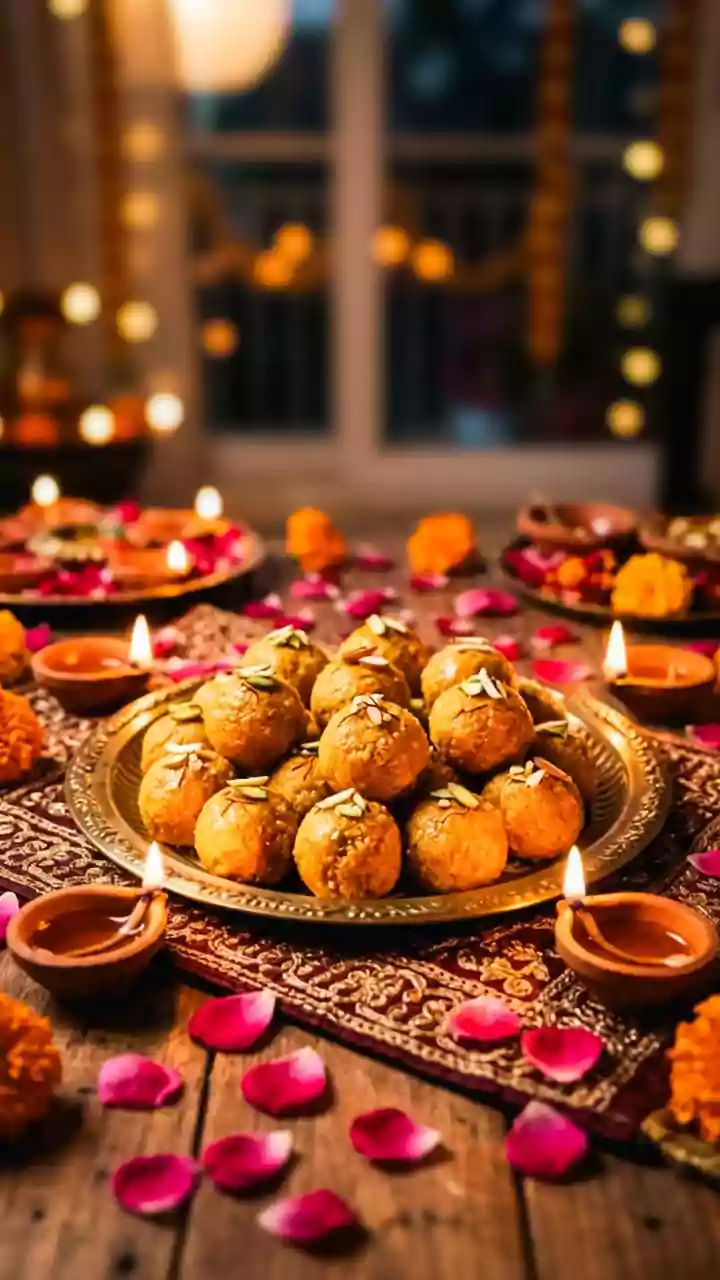
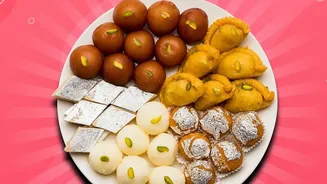
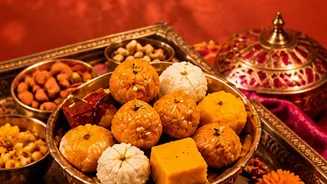
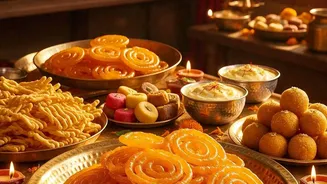
While the variety of Diwali sweets is endless, certain classics remain non-negotiable. Besan Ladoo, the golden, crumbly sphere of roasted gram flour, is a universal favourite, its nutty fragrance synonymous with the festival itself. Then there’s the crisp, crescent-shaped Gujiya, a pastry filled with a sweet mixture of khoya (milk solids), nuts, and coconut, especially popular in North India. Kaju Katli, a delicate diamond-shaped fudge made from cashews, adds a touch of royal elegance to any sweet platter. And no celebration is complete without Gulab Jamun—soft, spongy milk-solid balls soaked in fragrant sugar syrup. These sweets are not just desserts; they are offerings made during Lakshmi Puja and symbols of goodwill exchanged with friends and neighbours, wishing them a year filled with sweetness and prosperity.
A Modern Twist on Tradition
While traditional recipes hold a special place, a new wave of culinary creativity is sweeping through Diwali celebrations in 2026. Home cooks and chefs are experimenting with fusion desserts that blend Indian flavours with global techniques. Imagine biting into a Gulab Jamun cupcake, where the classic sweet is nestled inside a soft, cardamom-spiced cake. Or picture a Rasmalai Tiramisu, layering the delicate flavours of saffron-infused milk with coffee-soaked sponge. Other popular creations include Gujiya Tarts, Chocolate Jalebi Bark, and even Saffron and Pistachio flavoured shortbread cookies. These modern sweets offer a refreshing take on nostalgia, providing a perfect bridge between the old and the new, and appealing to a younger generation eager to put their own stamp on the festival.
More Than Just Sugar: The Act of Sharing
The exchange of sweets during Diwali is a tradition deeply rooted in Indian culture, symbolising much more than just a festive treat. It’s a gesture of love, respect, and strengthening community bonds. Offering a box of homemade mithai to a neighbour or friend is an expression of goodwill, a way to share happiness and mark new beginnings. The celebration commemorates the victory of good over evil, most famously Lord Rama's return to Ayodhya, and sharing sweets is a way to express that collective joy. Each box of ladoos or barfis carries with it a wish for prosperity and good fortune in the year ahead, making the act of giving and receiving sweets an integral part of the Diwali spirit. It's a practice that fosters a sense of belonging and community, extending warmth beyond the family to the entire neighbourhood.