


More Than Just the Music
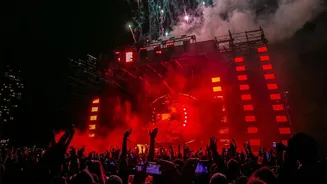
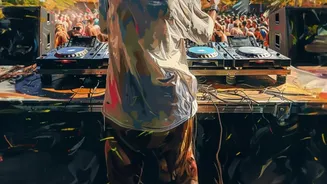
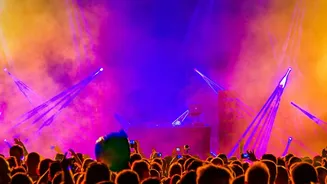
The modern Indian festival-goer is looking for more than just a lineup of artists. The trend is shifting towards immersive journeys where the destination itself is a main attraction. Instead of just attending a three-day event, travelers are now building
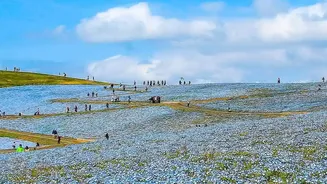
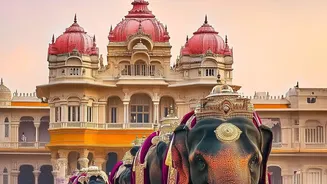
entire holidays around them. These experiences are curated to offer a deeper connection with the location, combining music and art with local culture, heritage, cuisine, and adventure. Organizers are creating multi-day itineraries that might include heritage walks, culinary tours, wellness workshops like yoga and meditation, or local craft demonstrations, turning a simple festival ticket into a comprehensive travel package. This evolution reflects a growing desire among travelers to slow down, engage with their surroundings, and have a more meaningful and memorable trip.
The Anatomy of a Destination Festival
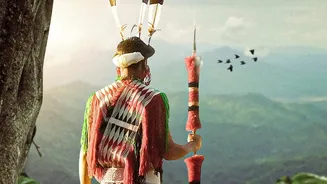
So, what does this new breed of festival look like? Take the Ziro Festival of Music in Arunachal Pradesh, for example. Set against the stunning backdrop of the Apatani tribal landscape, the festival is celebrated for its blend of indie music, nature, and deep cultural immersion. Attendees don't just come for the music; they participate in cultural walks through local villages, interact with the Apatani tribe, and camp under the stars, making the entire valley the venue. Similarly, the Magnetic Fields Festival in Rajasthan, held in a heritage palace, has been a pioneer in this space, weaving together contemporary music with Rajasthani hospitality, offering experiences like stargazing, treasure hunts, and local artisan collaborations alongside world-class electronic music. These events are meticulously designed to ensure the location's character shines through.
Why the Shift Is Happening Now
Several factors are driving this change. A new generation of travelers, particularly millennials and Gen Z, prioritizes experiences over possessions. They seek authenticity and a genuine connection to the places they visit. Social media also plays a role, with visually rich festivals in unique locations providing the perfect backdrop for shareable content. Furthermore, there's a growing appreciation for responsible and sustainable tourism. Festivals that engage with and support local communities, like the Hornbill Festival in Nagaland which brings together various tribes, offer a more conscious way to travel. Organizers have recognized this demand for more intentional and connected experiences, moving away from a one-size-fits-all model to one that celebrates uniqueness and place.
The Ripple Effect on Host Destinations
This trend has a significant positive impact on local economies. Festival tourism brings visitors to non-traditional, often rural, locations, helping to distribute tourism revenue beyond major cities. It creates employment for local guides, artisans, and hospitality providers, and provides a platform for preserving and promoting intangible cultural heritage. However, this growth also presents challenges. The influx of tourists can put pressure on local infrastructure and the environment. As such, sustainability has become a key focus for many organizers. Festivals like Echoes of Earth in Bengaluru are pioneering eco-conscious practices, using recycled materials for stage construction and aiming for zero-waste events, proving that celebration and conservation can go hand-in-hand.