






The Fourth Meal Is Now Mainstream
Not too long ago, kitchens in India would close shortly after dinner. Ordering food past 10 PM was a luxury, if not an impossibility. Today, the period between 11 PM and 3 AM is a bustling frontier for the food industry. What was once an occasional indulgence
has transformed into a regular consumption habit, often called the “fourth meal.” Food delivery platforms report that late-night delivery volumes have doubled over the past year, reflecting a fundamental lifestyle change. This surge isn't just a fleeting trend; it’s a direct consequence of urbanisation, which has led to busier lifestyles and an increased preference for convenience. This growth is visible not only in metros like Bengaluru, Hyderabad, and Mumbai but is also rapidly expanding in Tier-2 and Tier-3 cities, indicating a nationwide shift.
The New 9-to-5: Blurring Work and Night
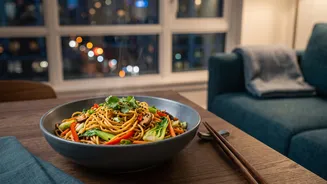
A key driver of the late-night eating boom is the evolution of the modern workplace. The traditional nine-to-five workday is becoming a relic for many, replaced by flexible schedules, global work hours, and the persistence of work-from-home models. This has blurred the lines between personal and professional time, leading to delayed meal times and altered sleep schedules. Many young professionals and night-shift workers in the technology and service industries find themselves working well into the night. Delivery platforms have been quick to recognise this, with some launching dedicated services for corporate employees working late, offering curated menus and faster delivery to thousands of office locations after 10 PM. This normalisation of late working hours has directly fuelled the demand for accessible, hot meals long after traditional restaurants would have closed.
Binge-Watching and Binge-Eating
As work patterns have changed, so have leisure activities. The rise of on-demand streaming services has made binge-watching a primary form of evening entertainment. Instead of heading out, many urban dwellers prefer to unwind at home with their favourite shows. This new ritual creates a perfect opportunity for snacking and ordering in. The culture of binge-watching is strongly linked to a desire for convenient, comforting food that complements the viewing experience. This has led to a surge in orders for shareable items like pizzas and snacks. Desserts, too, have become a star category, with orders for ice cream, brownies, and cakes growing significantly during late-night hours, serving as an affordable indulgence or a reward after a long day.
What India Craves After Dark
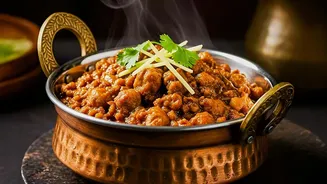
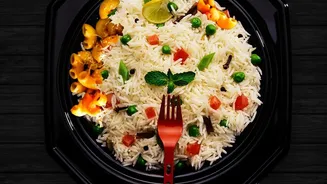
So, what are Indians ordering in the wee hours? Comfort and convenience reign supreme. According to data from delivery platforms, pizzas and burgers are consistent top choices for late-night orders. Biryani remains an eternal favourite, ordered millions of times a year, with a significant number of those orders placed after dark. Other popular items include rolls, momos, and french fries, which serve as perfect snacks for movie marathons or late-night study sessions. The demand has also spurred the growth of quick commerce, with a notable rise in orders for packaged snacks, ice creams, and chocolates delivered from dark stores that operate nearly 24/7. This shows a demand for both full meals and quick, gratifying snacks.
The Ecosystem That Never Sleeps
This late-night food revolution wouldn't be possible without the technological and logistical backbone that supports it. Food delivery apps have not only provided the platform but have actively cultivated this behaviour through targeted marketing, late-night discounts, and curated sections like the “2 AM Club.” This has fostered a sense of reliability and normalised the idea of 24/7 food availability. Furthermore, the ecosystem has given rise to a boom in cloud kitchens—delivery-only restaurants with no physical storefront. Many of these kitchens are designed specifically to cater to late-night demand, offering everything from burgers to biryani and maximising efficiency by operating multiple virtual brands from a single location. This model has drastically lowered operational costs and allowed for greater menu experimentation, ensuring a wide variety of options are available at any hour.