






The '100% Juice' Trap
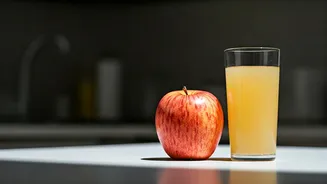
It’s one of the most common health traps in the supermarket aisle. The carton says “100% Fruit Juice” or “Not from Concentrate,” and you feel good about buying it. The problem is, when fruit is juiced, all the beneficial fibre is stripped away. What you’re
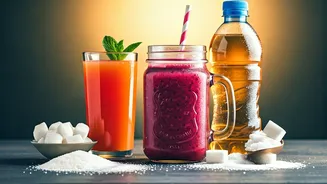
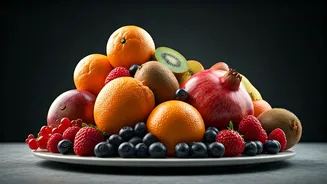
left with is essentially sugar water. A single 250ml glass of packaged orange or apple juice can contain 25-30 grams of sugar—that’s the entire recommended daily limit for an adult, according to the World Health Organization. This 'free sugar' is absorbed rapidly by your body, causing a sharp spike in blood glucose levels, much like a sugary soda would. The vitamins present are often not enough to offset this significant sugar hit. Healthier alternative: Eat the whole fruit. An orange contains fibre, which slows down sugar absorption, keeps you full longer, and supports digestive health. If you must have a drink, try infusing water with slices of fruit for flavour without the sugar bomb.
The Store-Bought Smoothie Deception
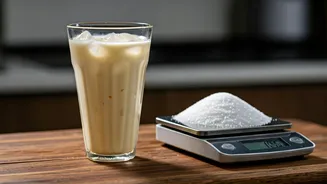
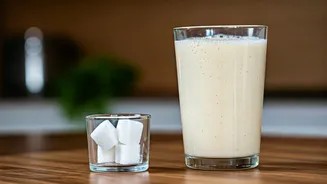
Smoothies sound like the pinnacle of health: a blend of fruits, vegetables, and maybe some yoghurt or seeds. While a homemade smoothie where you control every ingredient can be incredibly nutritious, the ones you buy at cafes or in bottles are a different story. They often use fruit purees and concentrates as a base, which are high in sugar. To make them more palatable, many brands add sweeteners like honey, agave nectar, or plain old sugar. A medium-sized commercial smoothie can easily pack 40-60 grams of sugar, turning your 'healthy' meal replacement into a dessert in a cup. They may be packed with calories but lack the fibre to keep you satiated, leading you to feel hungry again soon after.
Flavoured Waters and Vitamin Drinks
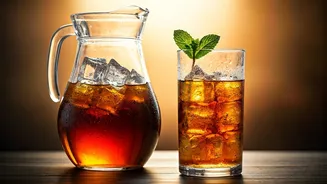
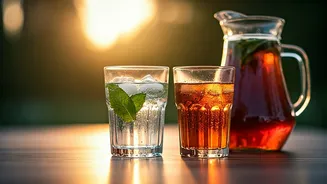
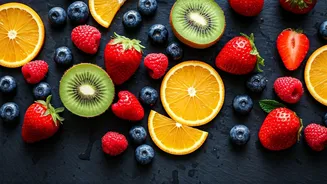
Positioned as a healthier alternative to plain water, vitamin-fortified and flavoured waters promise hydration with a side of nutrients. But take a closer look at the nutrition label. Many of these drinks get their appealing taste from significant amounts of sugar or artificial sweeteners. A single 500ml bottle can contain anywhere from 15 to 30 grams of sugar. You might be getting a few synthetic vitamins, but you’re also consuming several teaspoons of unnecessary sugar. The marketing focuses on the 'vitamins' and 'electrolytes,' distracting you from the primary ingredient after water: sugar. Healthier alternative: Make your own infused water. Add slices of cucumber, lemon, mint, or berries to a pitcher of water. It's refreshing, flavourful, and completely free of sugar and calories.
The Post-Workout Sports Drink Myth
Sports drinks were designed for elite athletes undergoing intense, prolonged physical activity (over 60-90 minutes) to replenish electrolytes and carbohydrates quickly. For the average person doing a 30-minute jog or a regular gym session, they are completely unnecessary. These drinks are essentially formulated with water, salts, and a lot of sugar to provide rapid energy. A standard bottle of a sports drink contains around 20-35 grams of sugar. If you’re drinking one after a light workout, you are likely consuming more calories than you just burned. Unless you are engaged in high-endurance sports, plain water is the best and only hydration you need.
The Questionable Kombucha
Kombucha has exploded in popularity, praised for its probiotics that support gut health. While traditional, low-sugar kombucha can be beneficial, the commercial market has adapted to mainstream tastes. Many popular brands add fruit juices, purees, and extra sugar after the initial fermentation process to make the drink sweeter and more appealing. This can push the sugar content up to 10-20 grams per serving. While it might be a better option than a can of soda, it's not the sugar-free health elixir some believe it to be. Always check the label for 'added sugars' to ensure your gut-friendly drink isn't also a sugar trap.