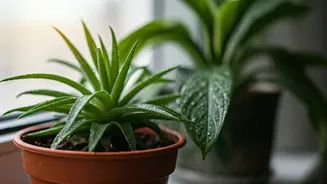





The Monsoon Challenge: More Than Just Less Sun
The shift from summer to monsoon changes your home's indoor environment dramatically. The primary issues aren't just the lack of sunlight; it's a combination of factors that create a tricky situation for most houseplants. High humidity means the soil
in pots stays wet for much longer, creating the perfect conditions for root rot, one of the most common plant killers during this season. This dampness also invites fungal growth on soil and leaves, and encourages pests like fungus gnats and mealybugs to multiply. Without enough light, plant growth can also become stunted or 'leggy' as they stretch towards any available light source.
Decoding the ‘Sunlight Break’
Contrary to what it might sound like, a 'sunlight break' during the monsoon doesn't mean a break from the sun. It means creating opportunities for your plants to get a break *from the gloom*. With persistent cloud cover, you need to be strategic about light. Place your plants near east-facing windows to catch the gentle morning sun or south-facing windows for maximum brightness during the day. It's also a good practice to rotate the pots every few days to ensure all sides of the plant receive some light. Wiping dust off both your windows and your plant's leaves can also make a significant difference, as it allows for better light absorption.
Mastering the Art of Watering
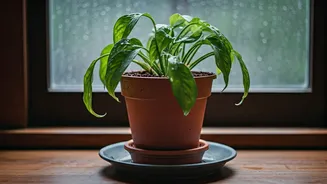
Overwatering is the single biggest mistake in monsoon plant care. With high humidity, the soil dries out much more slowly. Before you even think about watering, stick your finger about an inch into the soil. If it feels damp, wait another day or two. Most plants will need significantly less water than they did in the summer. When you do water, do it lightly. Also, ensure your pots have good drainage holes and empty any excess water from the saucer underneath to prevent the roots from sitting in water, which leads to rot.
When Natural Light Isn't Enough
For homes with limited natural light or during extended periods of heavy rain, the lack of sun can become a serious problem. This is especially true for sun-loving plants like succulents. In such cases, consider supplementing with artificial light. You don't need a professional setup; even a standard fluorescent bulb placed near your plants can provide enough light to help them through a few sunless days. For a more long-term solution, affordable LED grow lights are widely available and can be a lifesaver for keeping plants healthy.
Winning the War on Pests and Fungi
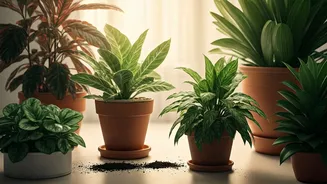
The damp, humid conditions of the monsoon are a breeding ground for pests and fungal diseases. Mealybugs, aphids, and fungus gnats are common culprits. To combat this, ensure good air circulation around your plants; don't overcrowd them. Pruning away any yellowing or dead leaves can also help. For a preventative measure, you can spray your plants with a diluted neem oil solution every 10-15 days. This organic fungicide is effective at keeping both pests and fungal infections at bay.
To Feed or Not to Feed?
During the monsoon, most indoor plants slow down their growth due to the lower light levels. Because they aren't actively growing, they don't need as many nutrients. It's best to reduce or even stop fertilising during this time. Applying fertiliser when the soil is already very moist can burn the roots. If you feel your plants need a boost, opt for a mild organic option like vermicompost or a slow-releasing organic liquid fertiliser, and only apply it during a dry spell.