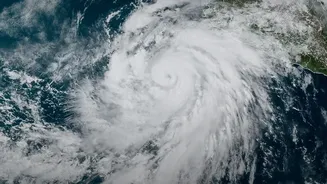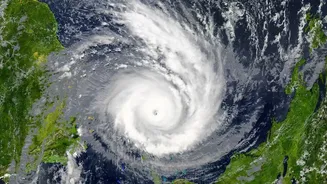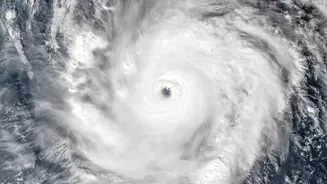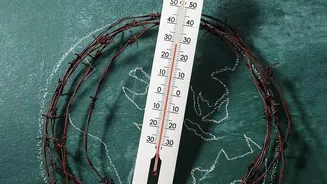





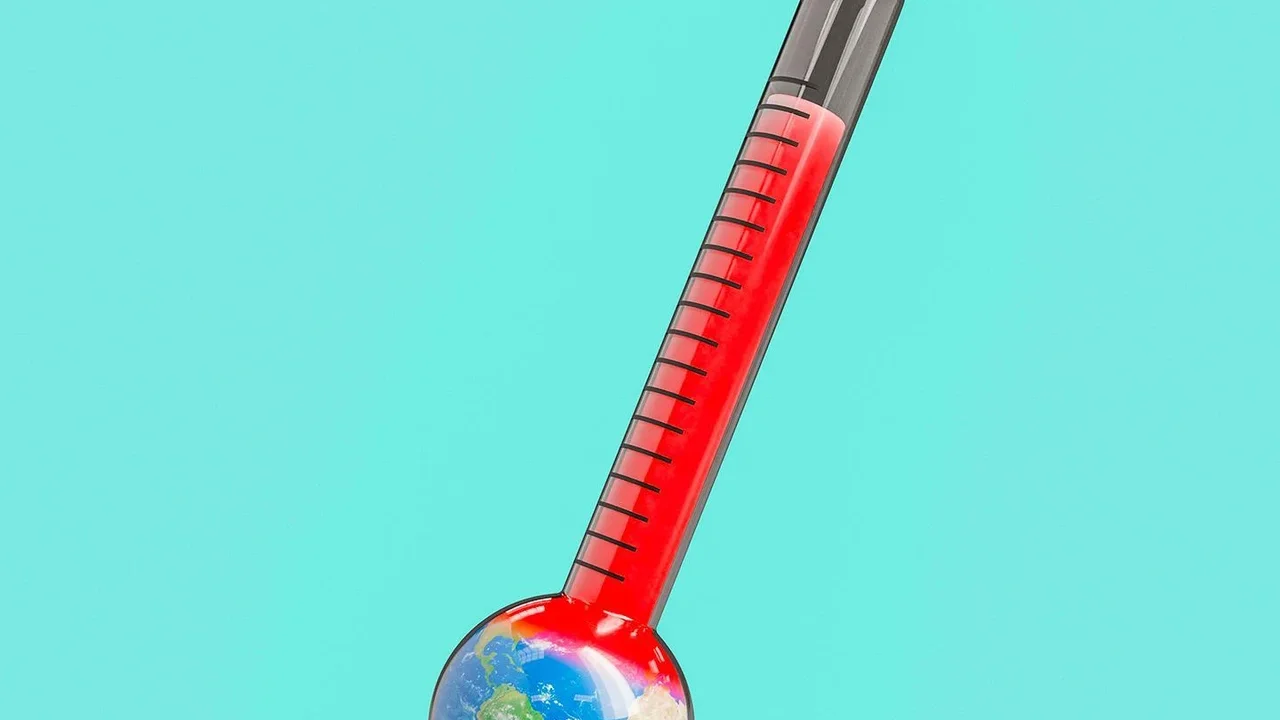
A powerful El Niño is strengthening in the Pacific Ocean, and the latest forecasts suggest it could soon rival some of the most intense events ever recorded. This global climate pattern has far-reaching consequences, and for India, it raises critical
questions.
First, What Is El Niño?
El Niño is the warm phase of a natural climate cycle called the El Niño-Southern Oscillation (ENSO). It occurs every two to seven years when the trade winds that typically blow from east to west across the tropical Pacific Ocean weaken. This allows warm surface water that has piled up in the western Pacific to flow eastward, toward the coast of South America. This massive shift in ocean heat changes atmospheric circulation patterns, disrupting weather around the globe. Its counterpart is La Niña, a cooling phase that often has the opposite effects.
How Strong Is This Event?
Forecasts from the National Oceanic and Atmospheric Administration (NOAA) and other global agencies indicate the 2026-27 El Niño has already reached 'very strong' status. Sea surface temperatures in key monitoring regions of the Pacific are multiple degrees above normal, a clear sign of a powerful event. Forecasters predict a near-100% probability that El Niño conditions will persist through March 2027. Some models project that at its peak, likely around December 2026, its intensity could rival or even surpass the record-setting El Niño events of 1997-98 and 2015-16.
How Does This Compare to Past Giants?
The 'super' El Niños of 1997-98 and 2015-16 are the modern benchmarks for extreme events. Both caused widespread global disruption, from severe flooding in East Africa and South America to devastating droughts and fires in Southeast Asia. The 1997-98 event caused an estimated $5.7 trillion in global economic losses over the following years, while the 2015-16 event triggered the worst global coral bleaching on record. By some metrics, the current event is already showing signs of rapid intensification similar to those historic episodes, setting the stage for significant global impacts.
What Does This Mean for India?
Historically, strong El Niño events have been linked to weaker monsoon rainfall in India. The warming of the Pacific disrupts the atmospheric patterns that drive the monsoon, often leading to below-normal rainfall and a higher risk of drought. The 2026 summer monsoon has already been impacted, with a rainfall deficit of nearly 13% reported. However, the link isn't perfect. Other factors, like the Indian Ocean Dipole (IOD)—a climate pattern in the Indian Ocean—can sometimes counteract El Niño's drying effect, as it did in 1997 when India received normal rainfall despite a very strong El Niño. For the upcoming winter, some forecasts suggest wetter-than-normal conditions in northern India but potentially drier conditions in the south.
Beyond the Monsoon: Broader Impacts
The consequences of a strong El Niño extend beyond just rainfall totals. Deficient rains can deplete reservoirs and soil moisture, straining water resources for both drinking and irrigation. This directly threatens agricultural output, especially for winter-sown (Rabi) crops, and can lead to lower farm incomes and rising food inflation. The energy sector is also vulnerable, as reduced rainfall can lower hydropower generation. Furthermore, the phenomenon can cause marine heatwaves in the Indian Ocean, stressing ecosystems and affecting fish populations, which in turn impacts coastal fishing communities.