



The Art of Smart Coordination
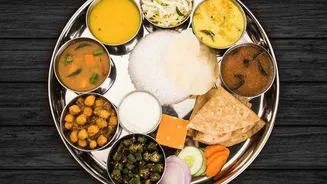
A crowdsourced meal, or potluck, is about collaboration, not chaos. The secret to success is clear communication and organisation. As the host, your primary role is to set the theme and coordinate the contributions to ensure a balanced and complete meal.
Start by creating a shared list or a simple sign-up sheet, either through a group chat or an online tool. Pre-fill the sheet with categories like 'Starters', 'Main Dish (Gravy)', 'Main Dish (Dry)', 'Breads/Rice', 'Side Dish/Raita', and 'Dessert'. This prevents a situation where five people bring a paneer dish and nobody brings dessert. Be specific about what you need; you're not being bossy, you're being a smart planner. Also, remember to ask about dietary restrictions or allergies in advance so everyone can enjoy the feast safely.
Curating a Menu Beyond the Usual
The beauty of a vegetarian Indian spread lies in its incredible diversity. While classics are comforting, a festive potluck is an opportunity to explore regional specialities. When planning the categories, encourage guests to think beyond the standard restaurant fare. Frame it as a culinary adventure where everyone gets to showcase a unique dish. Aim for a mix of textures and flavours: something creamy, something tangy, something crisp, and something fragrant. For example, instead of just one rich, tomato-based curry, you could have that alongside a lighter, coconut-based stew from the South or a dry stir-fried vegetable preparation from the West. A well-rounded menu ensures that the flavours complement rather than compete with each other.
Sensational Starters to Spark Joy
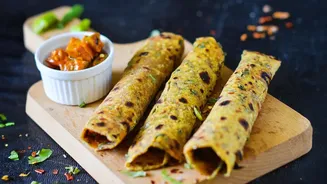
Starters set the tone for the meal. Instead of the ubiquitous samosa, suggest options that are equally delicious but offer a twist. Consider items that can be prepped in advance and served at room temperature or with a quick reheat. Ideas could include Mini Dabeli Sliders, Khandvi rolls from Gujarat, or even crispy Patra. For something heartier, Hara Bhara Kebabs or Beetroot Kebabs are colourful and flavourful. Tandoori-style appetisers like Paneer Tikka, Tandoori Gobi, or Broccoli are always crowd-pleasers and can be made in an air fryer or oven for convenience. These dishes offer a taste of celebration without the heaviness of deep-fried snacks.
Magnificent Mains with Regional Flair
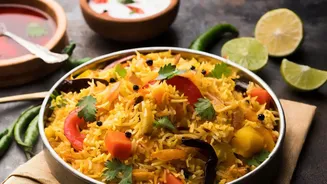
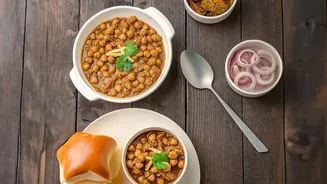
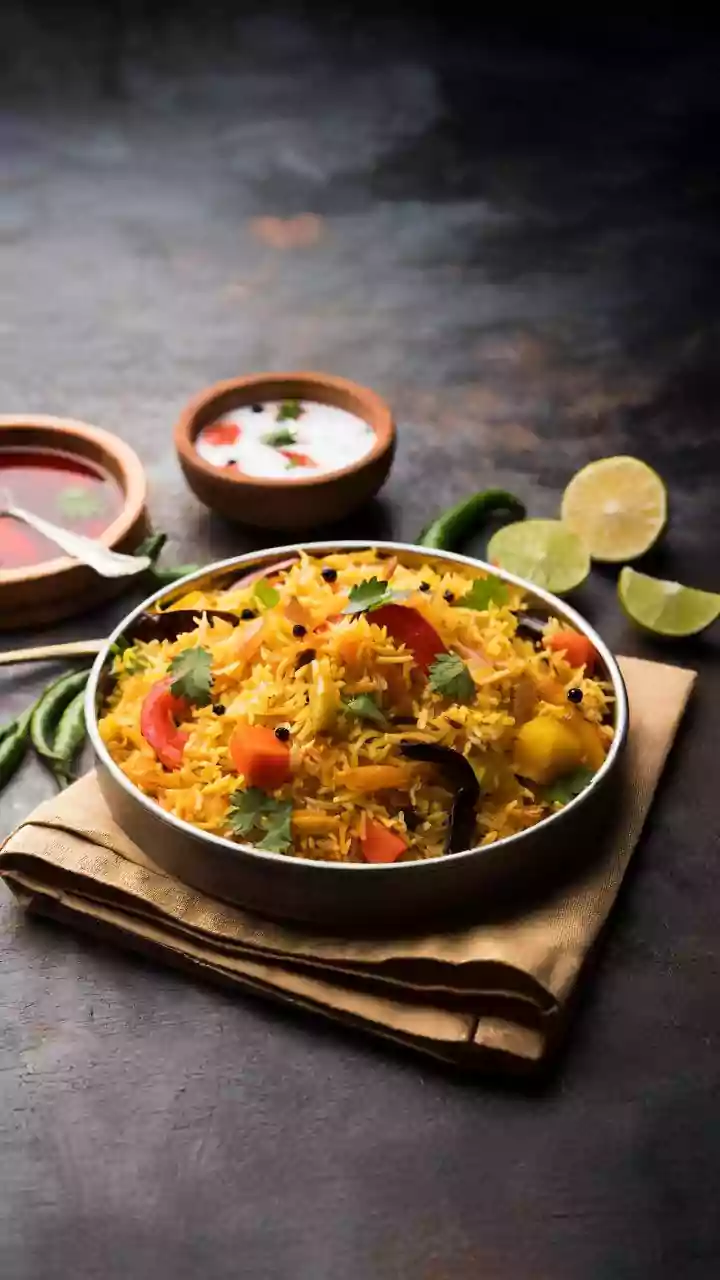
For the main course, having one or two signature dishes is key. These should be items that can be made in a large batch and hold up well on a buffet table. Instead of defaulting to Paneer Butter Masala, explore regional gems. A vibrant Avial, a mixed vegetable stew with coconut and yogurt from Kerala, is a fantastic option. A rich, smoky Baingan Bharta offers deep flavour, while a hearty Rajma or Chana Masala provides a comforting and protein-packed choice. For a true showstopper, one guest could be assigned a Vegetable Biryani, a complete meal in itself. Having a mix of a gravy-based dish and a dry sabzi creates a wonderful variety for guests to enjoy with their bread or rice.
Essential Accompaniments and Desserts
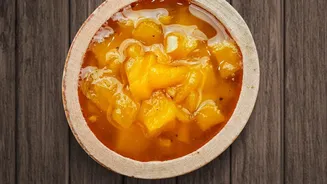
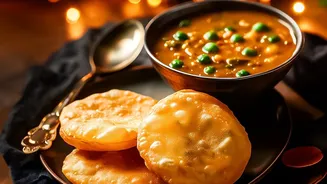
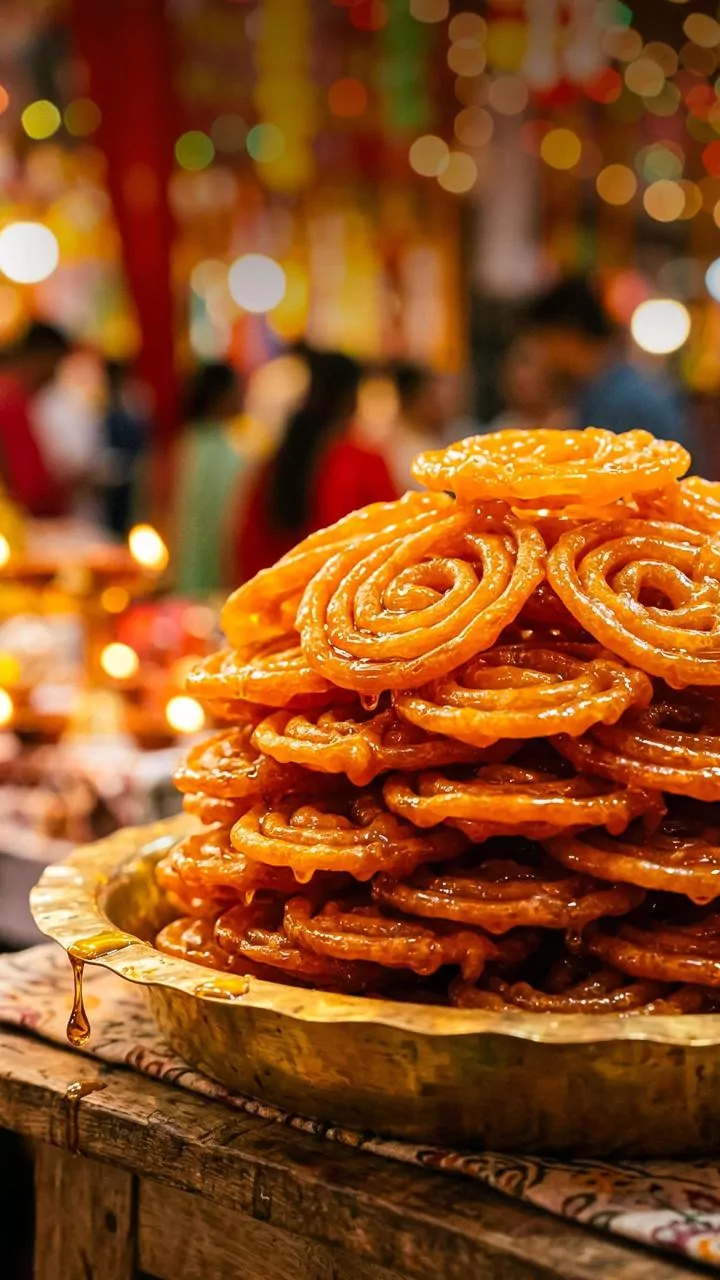
No Indian meal is complete without the right accompaniments. Assign guests to bring different types of breads, like soft phulkas, flaky parathas, or a special festive bread. A simple Ghee Rice or a lightly spiced Pulao can serve as the perfect base for the curries. Don't forget a cooling raita—a simple cucumber and mint one or a boondi raita—to balance the spices. For dessert, think beyond Gulab Jamun. A creamy Bhapa Doi (steamed yogurt pudding) or a modern take like a Tender Coconut Pudding can be made ahead. A rich Carrot Halwa served with vanilla ice cream is another classic that never fails to please. These desserts provide a sweet finish without being overly complicated to prepare for a crowd.