






Understanding the 'Cold-Pressed' Advantage
Before diving into specific oils, it's crucial to understand what 'cold-pressed' or 'kachi ghani' means. This traditional method involves mechanically crushing seeds at low temperatures, without using heat or chemical solvents. This gentle process ensures
the oil retains its natural nutrients, antioxidants, distinct aroma, and authentic flavour, which are often lost during the high-heat refining process. While refined oils might have a higher smoke point, cold-pressed oils offer a superior nutritional profile, making them a healthier choice for most daily cooking applications.
Mustard Oil: The Pungent Powerhouse
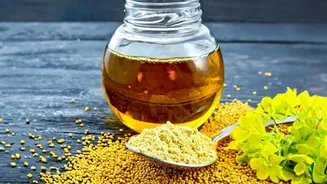
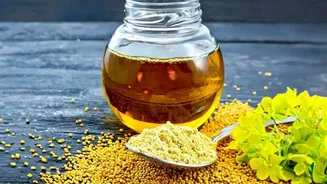
A staple in Bengali, Punjabi, and Bihari cuisine, mustard oil is prized for its sharp, pungent aroma and flavour. This pungency, from a compound called allyl isothiocyanate, is a sign of purity and is linked to its antimicrobial properties. When selecting a good cold-pressed mustard oil, trust your senses. Look for a deep golden or amber colour, not a pale yellow. The oil should feel slightly thick and have a strong, sharp smell that might even tingle your nose. On the label, check for terms like “kachi ghani,” “100% pure,” and an FSSAI certification to ensure quality. Use it for making traditional pickles, where it acts as a natural preservative, or for cooking classics like Shorshe Ilish (Hilsa in mustard sauce), Aloo Posto, and Sarson ka Saag.
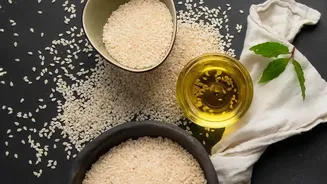
Sesame Oil: The Queen of Oils
Revered in Ayurveda and essential in South Indian cooking, sesame oil (til oil) is known for its nutty flavour and numerous health benefits. Cold-pressed sesame oil retains antioxidants like sesamol and sesamin, which contribute to its stability and health properties. When choosing one, look for a light golden-brown colour and a sweet, intense aroma. The label should specify it is cold-pressed and unrefined to ensure maximum nutrient retention. Sesame oil is incredibly versatile; its nutty character is perfect for the tempering (tadka) in dals and chutneys, preparing South Indian specialities like rasam, or as a flavourful base for marinades.
Groundnut Oil: The Versatile Fry Master
Groundnut oil, or peanut oil, is a kitchen workhorse, especially popular in Western and Southern India. Cold-pressed groundnut oil has a pleasant, mild nutty aroma and a pale yellow or light golden colour. One of its biggest advantages is its relatively high smoke point compared to other cold-pressed oils, making it excellent for frying, sautéing, and stir-frying. Foods fried in groundnut oil, like samosas or pakoras, tend to be crispy and less greasy. It’s also a great choice for everyday dishes like poha, vegetable stir-fries, and preparing the base for various curries, as its flavour complements spices without overpowering them. Look for unrefined, cold-pressed options that are free from chemical processing.
Smart Storage and Usage Tips
To maintain the freshness and nutritional integrity of your cold-pressed oils, proper storage is key. These oils are sensitive to light and air, so always store them in a cool, dark place, preferably in the dark glass or opaque containers they often come in. While they are fantastic for sautéing and tempering, be mindful of their smoke points. For deep-frying at very high temperatures, a refined oil might still be necessary, but for most daily Indian cooking, the flavour and health benefits of cold-pressed oils are unmatched. By paying attention to colour, aroma, and labelling, you can confidently bring these traditional, healthy fats back into your kitchen.