

The Daily Dread of Dishes
For many, the biggest barrier to home cooking isn’t the chopping or the stirring; it’s the mountain of washing up that follows. This final step can transform the joy of creating a meal into a frustrating chore, making takeout seem all the more tempting.
In our time-pressed lives, every minute counts, and spending twenty minutes scrubbing pans can feel like a poor trade-off for a home-cooked dinner. The aversion is real and practical; psychologists note that visual clutter, like a messy kitchen, can quietly increase our cognitive load, creating stress even when we're trying to relax. The simple desire to avoid this cleanup friction is a powerful motivator, pushing people towards smarter, more efficient ways to get food on the table. This is where the one-pan meal makes its grand entrance, offering a delicious escape from the tyranny of the sink.
The One-Pan Solution
One-pan cooking is exactly what it sounds like: a meal where all the ingredients—protein, vegetables, and starches—are cooked together in a single vessel. Think of flavour-packed sheet-pan dinners, hearty skillet stir-fries, or comforting oven-baked casseroles. The primary appeal is undeniable: minimal cleanup. By containing the entire cooking process to one pot or pan, you drastically reduce the number of dishes that need washing, saving both time and effort. This simplicity removes a major hurdle for busy families and professionals who want the benefits of a home-cooked meal without the associated drudgery. It streamlines the entire process, making cooking feel less like a multi-stage project and more like a single, manageable task.
More Than Just Less Mess
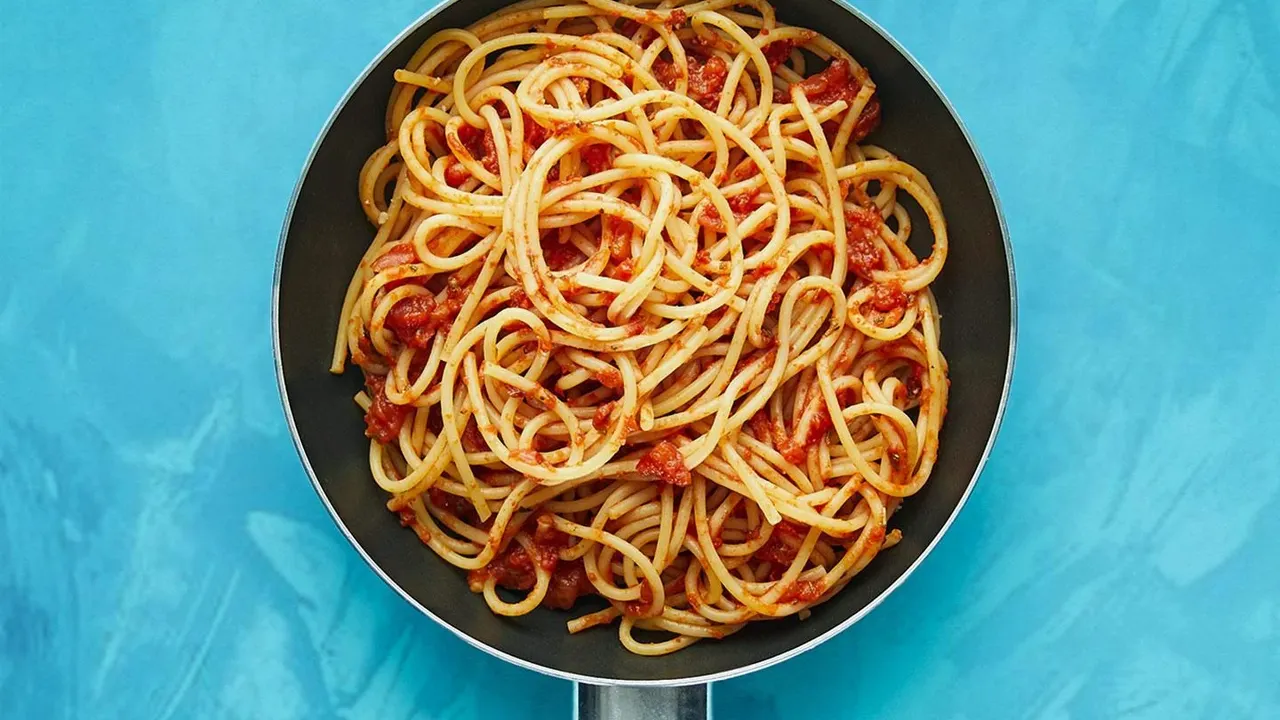
While reduced cleanup is the main draw, the benefits of one-pan cooking go much deeper. Cooking all the ingredients together allows their flavours to meld and intensify. The pasta absorbs the sauce directly, vegetables roast in the juices of the chicken, and every component becomes infused with the spices and aromatics in the pan. This creates a depth of flavour that can be hard to achieve when cooking elements separately. Furthermore, it's an incredibly efficient method. It saves energy by using just one burner or the oven, and it can also help retain nutrients that might otherwise be lost in drained water. It’s also an economical way to cook, allowing you to use up leftover vegetables and bulk out dishes with affordable staples like beans and grains.
A Perfect Fit for Modern Indian Kitchens
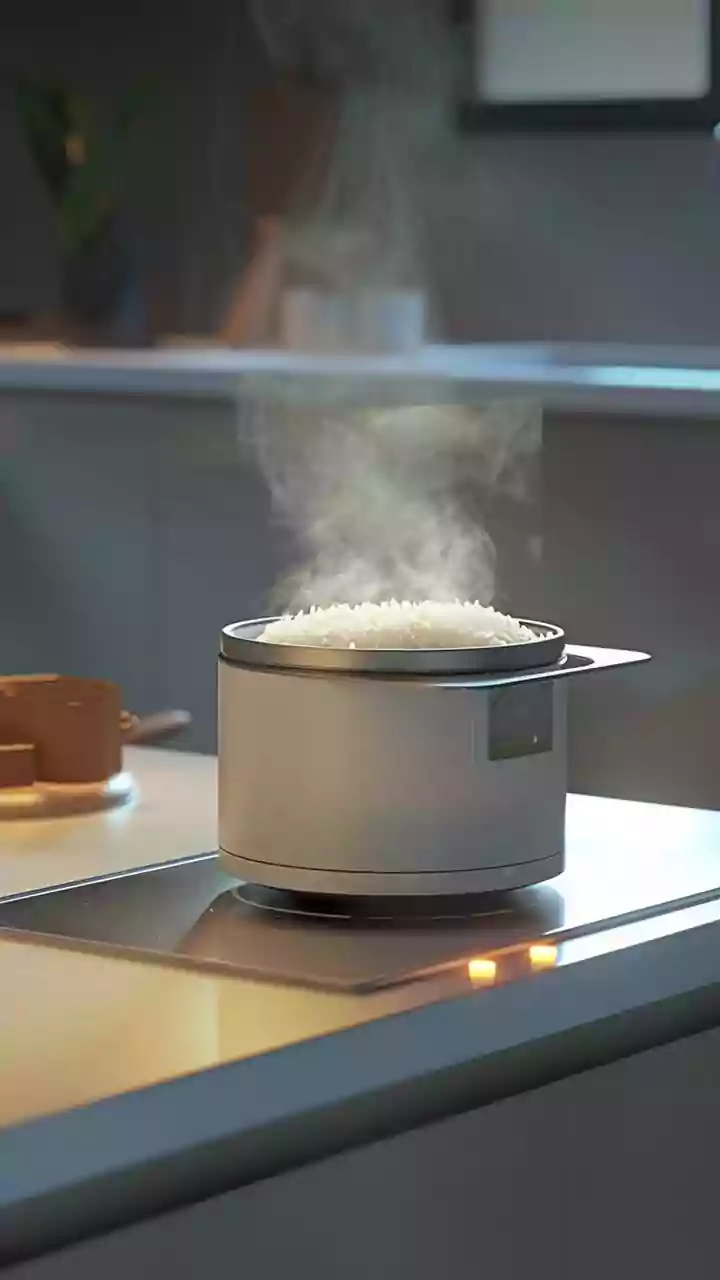
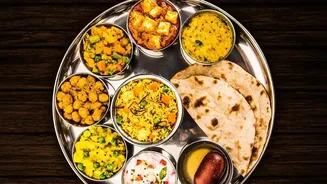
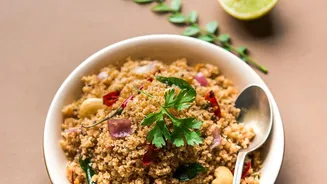
This cooking philosophy isn't new to India, where one-pot meals have been a cornerstone of cuisine for centuries. Dishes like Khichdi, a comforting mix of rice and lentils, and Bisi Bele Bath from Karnataka are traditional examples of complete, balanced meals made in a single vessel. Today, this approach is finding renewed relevance. The modern Indian kitchen, often compact and part of a busy household, is the perfect setting for one-pan recipes. From a quick pressure-cooker biryani and flavourful mint pulao to a simple skillet sabzi, the one-pan method adapts beautifully to local tastes. It respects the need for wholesome, flavourful food while acknowledging the reality of busy schedules and the desire to make cooking a joyful, sustainable habit rather than a burden.