





The Silent Threat in Our Waters
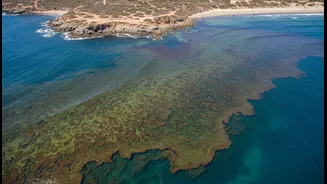
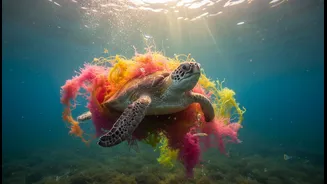
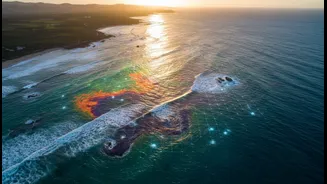
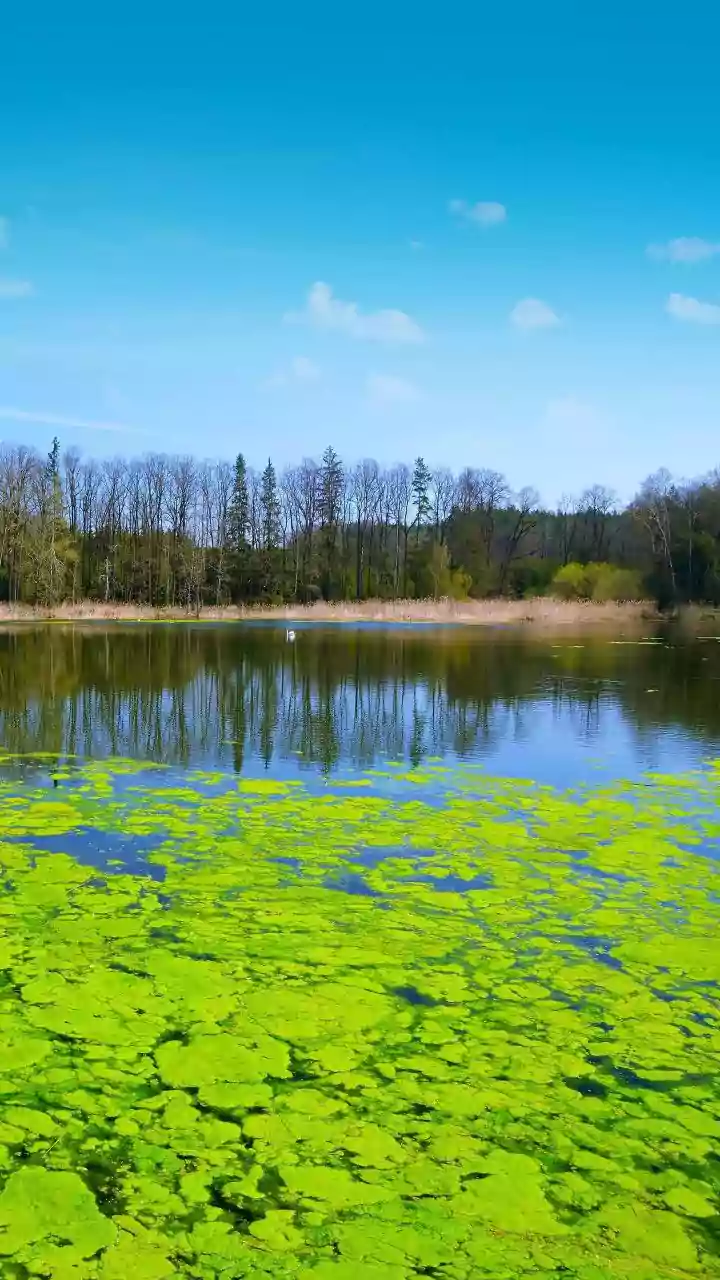
They are often called ‘red tides’, but they can also turn the water green, brown, or leave no colour at all. Harmful algal blooms (HABs) are a rapid, explosive growth of microscopic algae in marine or freshwater ecosystems. While most algae are vital
to ocean life, a small fraction can be dangerous. These harmful varieties produce potent toxins or grow so dense they deplete the water's oxygen, creating vast 'dead zones' where fish and other marine life cannot survive. This phenomenon is fuelled by a combination of factors, including rising sea temperatures due to climate change and nutrient pollution from untreated sewage and agricultural runoff. For India, with its long and densely populated coastline, the threat is particularly acute. These blooms endanger fisheries, contaminate seafood, and pose health risks to coastal communities.
Why We've Been a Step Behind
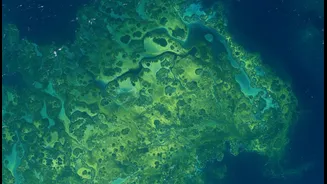
Predicting where and when a harmful bloom will surface is incredibly challenging. Traditional monitoring methods often rely on physically collecting water samples by boat and analysing them in a lab. This process can be slow, taking a day or more to yield results. By the time a bloom is confirmed, significant damage may have already begun. Another method involves using satellites to scan the ocean for changes in colour, which can indicate a bloom. However, this approach has its limitations. Cloud cover can obscure the view, and it's difficult to distinguish between toxic and harmless algae from space using conventional techniques alone. This has left authorities and industries like fishing and aquaculture reacting to blooms rather than preparing for them.
A New Generation of Ocean Sentinels
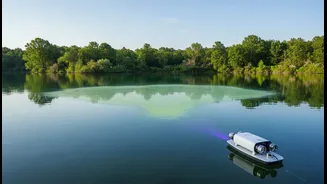
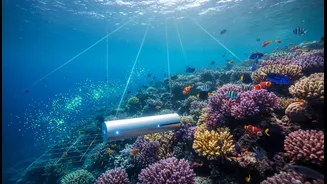
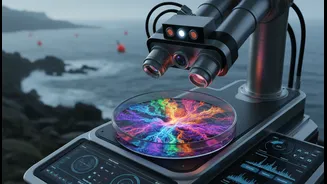
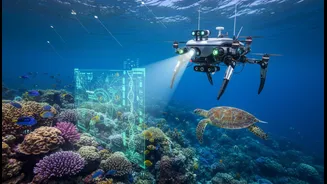
Scientists are now developing sophisticated new ways to get ahead of these devastating events. The latest breakthroughs combine advanced satellite technology with the power of artificial intelligence (AI). For instance, researchers at NASA have developed an AI tool that fuses data from multiple satellites. This system doesn't just look for colour changes; it can analyse different signals, such as the faint glow algae emit during photosynthesis, to identify specific harmful species even in complex coastal waters. Other new technologies include deploying autonomous buoys equipped with ultrasonic transmitters that disrupt the formation of algae before they can bloom, and using high-resolution imaging microscopes that can rapidly identify thousands of different algae types in minutes. Some researchers are even analysing environmental DNA (eDNA) in water samples—similar to a medical PCR test—to detect the genetic markers of toxic algae species before they reach dangerous levels.
The Power of an Early Warning
The primary benefit of this enhanced tracking is the ability to create reliable early warning systems. Getting a forecast of a developing bloom days in advance could be a game-changer for public health and coastal economies. With a timely alert, fisheries can move their operations or secure their aquaculture pens, reducing massive stock losses. Health authorities can issue advisories for specific beaches, preventing people from swimming in contaminated water or consuming toxic shellfish, which can cause illnesses ranging from respiratory irritation to severe neurological damage. This proactive approach transforms bloom management from a reactive crisis response into a planned, preventative strategy. It doesn't stop the blooms from forming, but it dramatically mitigates their destructive impact.
What This Means for India's Coastline
For India, where algal blooms are increasingly reported along both the Arabian Sea and Bay of Bengal coasts, these advancements offer a vital tool for resilience. The country's western coast has seen blooms of Noctiluca scintillans lead to oxygen depletion and mass fish kills, while the eastern coast is also vulnerable due to river-borne nutrient runoff. The livelihoods of millions who depend on fishing and the health of coastal populations are directly at risk. By integrating these AI-driven satellite systems and localised monitoring tools, Indian environmental agencies could create a more dynamic and precise picture of where and when threats are emerging. This would allow for targeted interventions, protecting both the fragile marine ecosystems and the economic stability of the communities that depend on them.