






The Rise of the ‘Imperfect’ Wall
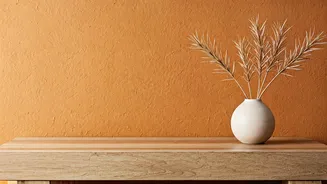
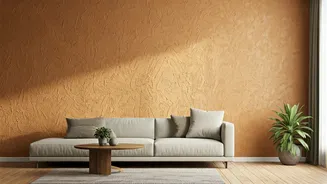
Walk into a design-forward home in Mumbai or Bengaluru today, and you might notice something different about the walls. Instead of a uniform sheen, you might see a soft, chalky texture that seems to drink in the light, revealing subtle variations in tone
and touch. This is the new face of urban luxury—a move away from the synthetic and towards the sensory. Architects and interior designers are reporting a significant surge in demand for natural finishes like terracotta, lime plaster (chuna), and other clay-based applications. It’s a trend that’s less about a specific colour and more about a feeling: authentic, calming, and deeply connected to nature.
Vinyl’s Practical Reign
To understand clay’s ascent, we must first appreciate what it’s challenging. Vinyl wall coverings became a go-to choice for a reason. They are the champions of convenience. Affordable, incredibly durable, easy to clean, and available in a staggering array of prints—from faux wood to intricate damask—vinyl offers a quick and effective way to transform a space. For busy households, rental properties, and commercial spaces, its low-maintenance, high-impact appeal has been undeniable. It represents a modern solution: efficient, predictable, and scalable. But its perfection is also its potential weakness; it’s a manufactured layer, a skin that sits on top of the wall, lacking the depth and character of a natural material.
The Soulful Appeal of Earthen Finishes
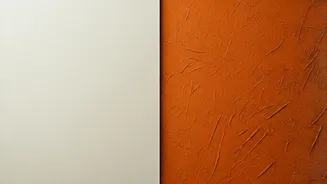
Clay, on the other hand, is not a covering; it’s an integral part of the wall itself. Its appeal is primal. The finish is matte and velvety, absorbing light rather than reflecting it, which creates a sense of warmth and serenity. No two clay walls are exactly alike. The subtle trowel marks and minor inconsistencies left by the artisan’s hand are celebrated as features, not flaws. This ‘Wabi-Sabi’ aesthetic—the Japanese art of finding beauty in imperfection—resonates deeply with homeowners looking to create a sanctuary from the chaotic digital world. The palette, from dusty pink terracotta to muted greys and beiges, feels grounded and timeless, providing a perfect, calming backdrop for modern life.
The Wellness and Sustainability Factor
This shift is more than just aesthetic. It’s driven by a growing awareness of health and sustainability. Most vinyl wallpapers are made from PVC (polyvinyl chloride) and can release volatile organic compounds (VOCs) into the air, which can affect indoor air quality. Clay finishes, by contrast, are often entirely natural and non-toxic. They are ‘breathable,’ meaning they can absorb excess humidity from the air and release it when the air is dry, helping to regulate the indoor climate and prevent mould. Sourced from the earth and free of synthetic chemicals, they represent a conscious choice for a healthier home and a healthier planet, a priority for an increasing number of urban consumers.
Craftsmanship, Cost, and Commitment
This earthy elegance comes at a price—both in money and in process. Applying a clay or lime plaster finish is a craft. It requires skilled artisans and is significantly more labour-intensive and time-consuming than hanging wallpaper. Consequently, the cost is considerably higher, placing it firmly in the premium category. While a DIY-er might tackle a vinyl project over a weekend, a proper clay finish is a job for professionals. This makes vinyl the practical choice for many, but for those with the budget, the investment in a clay wall is an investment in artistry, durability, and a unique, long-lasting character that a synthetic covering can’t replicate.