



The Power of Being Seen: Using Fog Lights Correctly
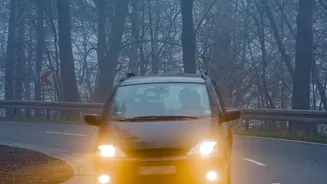
One of the biggest challenges of driving in heavy rain at night is visibility. Standard headlights, especially high beams, can reflect off raindrops, creating a wall of glare that makes it harder to see. This is where fog lights become essential. Mounted
low on the bumper, they cast a wide, flat beam that illuminates the road surface directly in front of the car, underneath the curtain of rain and spray. This helps you see lane markings and potential hazards like potholes without dazzling oncoming drivers. The key is to use them correctly. Only switch on your fog lights during conditions of genuinely poor visibility, such as dense fog or heavy downpours. Using them in clear weather is unnecessary and can blind other road users. Always use them with your low-beam headlights, never with high beams, which will only worsen the glare.
Your Digital Safety Net: Real-Time Route Tracking
An overnight trip through remote areas, compounded by monsoon weather, means you need a reliable safety net. This is where route tracking apps on your smartphone become invaluable. Features like live location sharing on Google Maps or similar applications allow your family and friends to monitor your progress in real-time. This is more than just peace of mind; if you encounter a breakdown, get stuck, or deviate from your planned route unexpectedly, your contacts will know your exact location and can coordinate help. Many of these apps also allow you to download maps for offline use. This is a critical feature for journeys where mobile network coverage is likely to be patchy. Before you leave, simply download the map of your entire route, ensuring your GPS navigation continues to work even when your data connection does not.
Essential Vehicle Checks
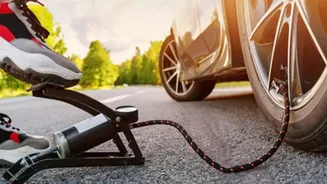
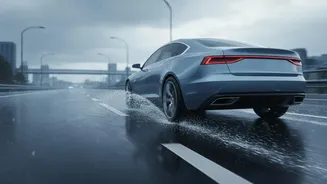
Technology is a great aid, but it's no substitute for a well-maintained vehicle. Before any monsoon road trip, a few checks are non-negotiable. Your tyres are your only contact with the road, and their ability to grip a wet surface is paramount. Ensure you have adequate tread depth—at least 3mm is recommended for monsoon driving—to prevent hydroplaning, where your car skids on a layer of water. Your wiper blades are your first line of defense against rain; if they leave streaks or make noise, replace them. Finally, get your brakes inspected. Wet roads significantly increase stopping distances, and your braking system must be in top condition to respond effectively.
Smarter Driving for Safer Journeys
Once on the road, your driving habits must adapt to the conditions. The single most important adjustment is to reduce your speed. Driving slower gives you more time to react and significantly reduces the risk of skidding on slippery surfaces. Double the typical following distance between you and the car in front to account for longer braking times. Be extremely cautious when approaching waterlogged areas. It's impossible to judge the depth of murky water or see hidden potholes beneath. A safe rule of thumb is to avoid driving through any water that appears deeper than the bottom of your car's bumper. If your car stalls in water, never try to restart the engine, as this can cause catastrophic damage known as hydrostatic lock.