

Know the Signs: When to Repot
Plants give clear signals when they're ready for a new pot. As a general rule, most common houseplants benefit from repotting every 12 to 18 months, but it's better to look for signs of stress. If you see roots peeking out of the drainage holes or creeping
up above the soil, it's a definite sign the plant is root-bound. Another clue is how quickly the soil dries out; if you have to water every day or two, the pot is likely full of roots with little soil left to hold moisture. Stunted growth is also a major indicator. If your plant has stopped producing new leaves during its growing season, or the new leaves are smaller than usual, it's likely run out of space and nutrients.
Choose the Right Pot and Soil
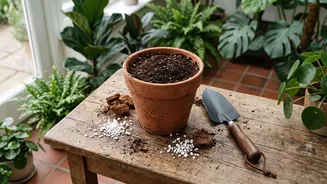
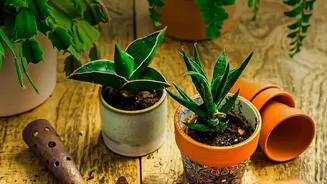
Selecting the correct pot is crucial. The most common mistake beginners make is choosing a pot that is too large, which can lead to root rot because the excess soil holds too much water. The rule of thumb is to select a new pot that is only 1 to 2 inches (or about 2-5 cm) larger in diameter than the current one. Ensure the new pot has drainage holes. When it comes to soil, don't use soil from your garden, which is too dense and can contain pests. Instead, buy a quality indoor potting mix. These mixes are formulated to be light and well-draining, often containing ingredients like peat moss, coco coir, and perlite to provide aeration and moisture retention.
The Gentle Repotting Process
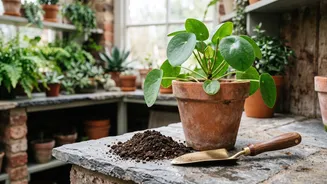
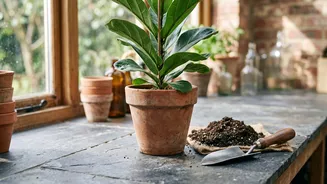
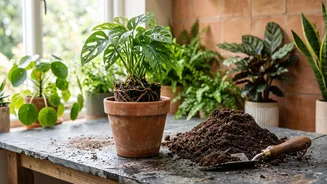
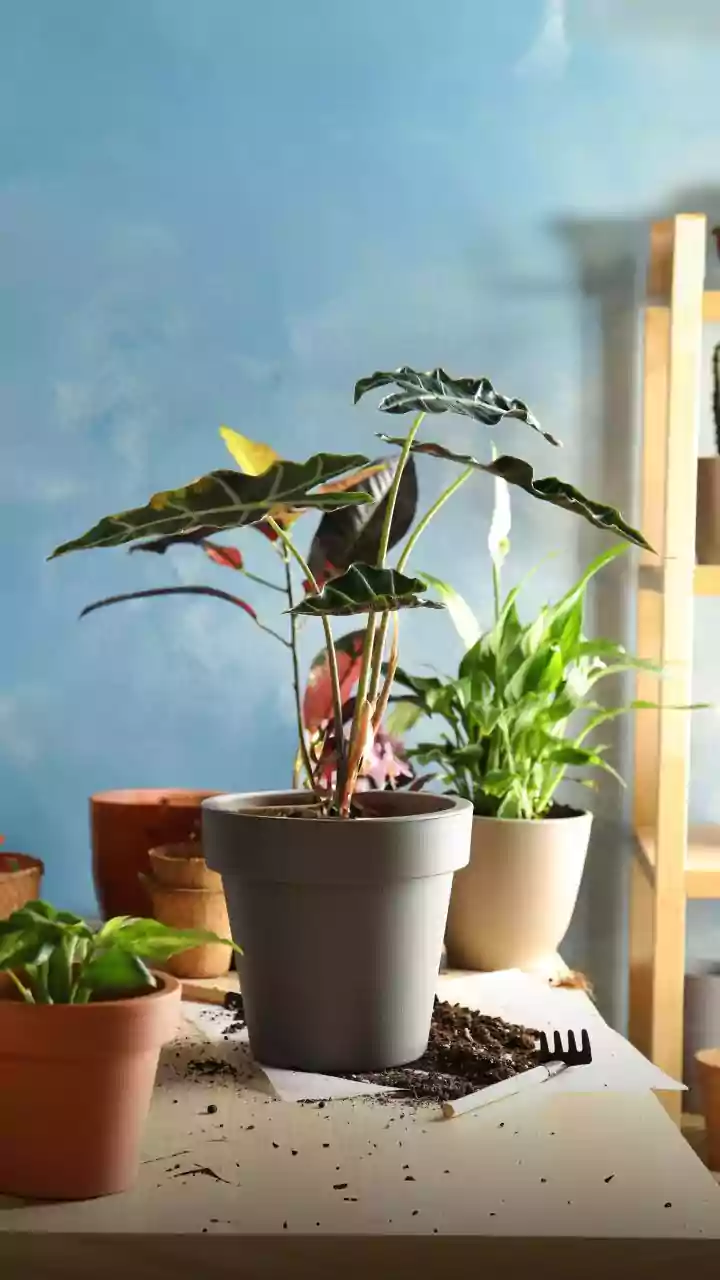
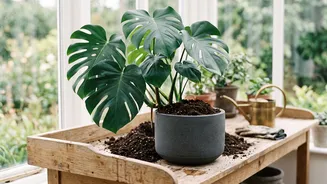
Once you have your new pot and soil, it's time to repot. Start by gently removing the plant from its old container. It helps to turn the pot on its side and tap the bottom to loosen it. Once the plant is out, inspect the root ball. If the roots are tightly wound in a circle (root-bound), gently tease them apart with your fingers to encourage them to grow outwards into the new soil. You can even trim any roots that look mushy, brown, or dead. Place a layer of fresh potting mix in the bottom of the new pot and set your plant on top. The top of the root ball should sit about a quarter to half an inch below the rim of the pot to prevent soil from washing out during watering. Fill the space around the root ball with more potting mix, gently patting it down to eliminate large air pockets without compacting it too much.
Aftercare: Helping Your Plant Settle In
Repotting is a stressful event for a plant, often called 'transplant shock'. During this adjustment period, your plant needs special care. After repotting, give the plant a thorough watering to help the new soil settle around the roots. Then, place it in a location with indirect light for about a week, as direct sun can add more stress. Hold off on fertilizing for at least a month; the fresh soil has plenty of nutrients, and fertilizing too soon can burn the sensitive, recovering roots. You may notice some wilting or yellowing leaves in the first few days, which is a normal part of the shock response. Just monitor your plant and resume your normal care routine once you see signs of new growth, which indicates it has successfully adapted to its new home.