




From Collector to Curator
The allure of turning our living spaces into verdant jungles has never been stronger. Scrolling through social media reveals homes overflowing with monsteras, trailing pothos, and sculptural snake plants. It's easy to get caught up in the excitement and adopt
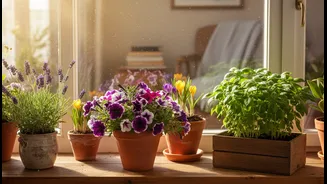
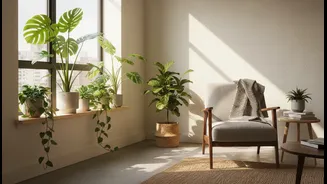
a 'more is more' attitude, collecting plants to fill every available windowsill, shelf, and corner. The result, however, is often a cluttered look and, worse, a collection of struggling plants. The most common mistake new plant parents make is choosing a plant for a spot, rather than choosing a spot for a plant. True plant artistry and successful indoor gardening begin with a shift in mindset: from being a collector who accumulates, to a curator who thoughtfully places each plant where it will thrive. This approach not only ensures healthier, happier plants but also creates a more intentional and impactful interior design.
Become a Sunlight Detective in Your Home
Before your next trip to the garden centre, spend a day observing your home. The single most important factor for plant health is light, which fuels the photosynthesis process necessary for survival and growth. You can map the sunlight in your space without any special equipment. Start by sketching a simple layout of your room. Throughout the day—perhaps at 9 AM, 12 PM, and 3 PM—notice where the light falls. Note the difference between direct and indirect light. Direct light is an unobstructed sunbeam that will cast a sharp shadow, while indirect light is the bright, ambient light that fills a room, often filtered through a sheer curtain or bounced off a wall. Pay attention to which direction your windows face. In India, south-facing windows tend to get the most intense light, while north-facing windows offer more gentle, indirect light all day. East-facing windows get softer morning sun, and west-facing windows receive strong afternoon sun. This simple 'sun map' is the most valuable tool you can have.
Right Plant, Right Light
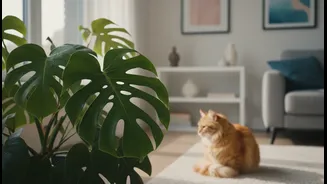
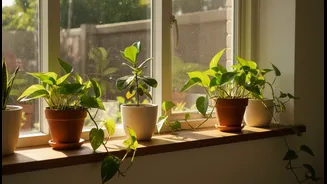
Once you understand your home's unique light conditions, you can choose plants that will flourish. Mismatched light is a primary reason plants fail. Plants that get too little light become pale and 'leggy,' stretching toward a light source, while too much sun can scorch their leaves. For those bright spots near a south or west-facing window, consider sun-loving succulents or a rubber plant. Most popular houseplants, however, prefer bright, indirect light, which mimics their natural habitat under a forest canopy. Think of a spot a few feet back from a window or one protected by a sheer curtain. This is ideal for Monsteras, Philodendrons, and Areca Palms. For those dimmer corners with low light, hardy choices like the Snake Plant, ZZ Plant, and Money Plant (Pothos) are excellent options, as they are known to tolerate shadier conditions. Peace Lilies are also great for low-light spots and have the added benefit of producing elegant white flowers.
Designing with Light and Leaves
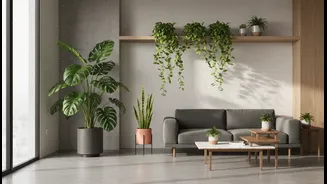
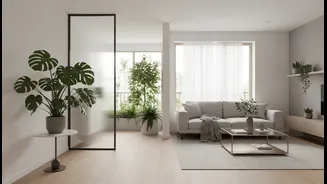
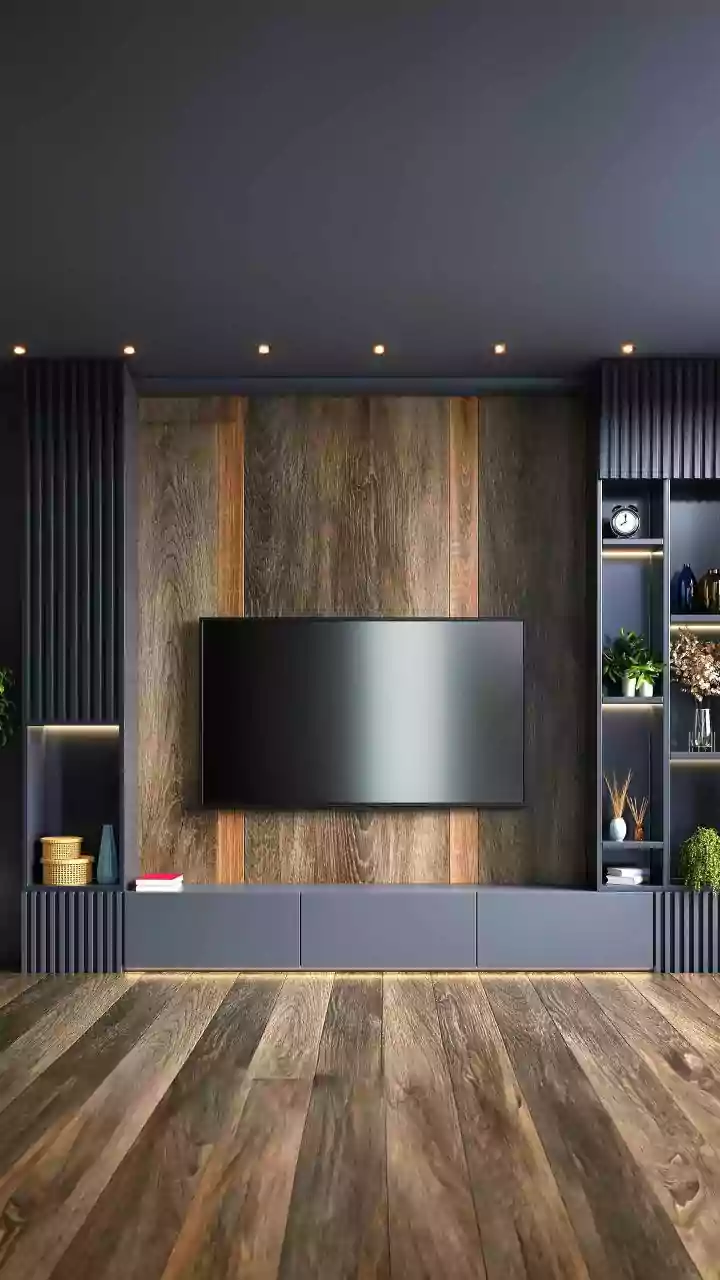
With a light-first approach, plants become powerful design elements rather than just green accessories. Instead of cluttering a windowsill, use a single, large floor plant like a Parlor Palm or a Fiddle Leaf Fig to anchor a corner and add vertical height to a room. This creates a focal point. Use the interior design 'rule of three' by grouping a small trio of plants with varying heights and textures on a side table to create visual interest. Let a trailing plant like a Pothos or Philodendron cascade down from a high shelf or hanging planter to soften hard edges. Consider the plant's form and how it interacts with the space. A tall, architectural Snake Plant can complement a modern, minimalist aesthetic, while the lush, dense foliage of a Boston Fern works well in a more traditional setting. By matching the plant to the available light, you are free to use them creatively to enhance your home's architecture and style.