



From Indoors to the Outdoors
The “rainy challenge” that has captured the imagination of adventure seekers and social media feeds alike is monsoon trekking. While the term might sound simple, the experience is anything but. It involves hiking through rugged terrain during the peak
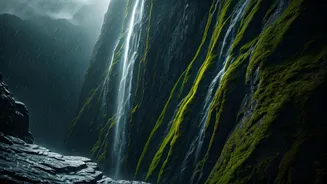
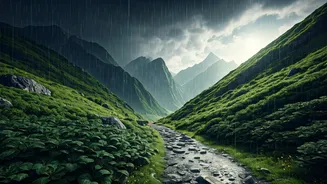
of the monsoon season, a time when nature is at its most wild and beautiful. In India, this trend is particularly pronounced in the Western Ghats of Maharashtra, where the Sahyadri mountain range transforms into a lush, green paradise dotted with overflowing waterfalls and ancient forts shrouded in mist. For urbanites in cities like Mumbai and Pune, it’s become a weekend ritual to escape the concrete jungle for the raw, untamed beauty of the hills.
The Magic of the Monsoon Trail
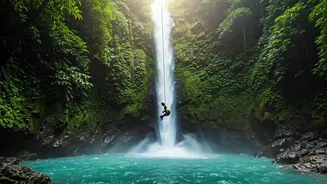
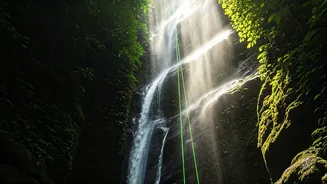
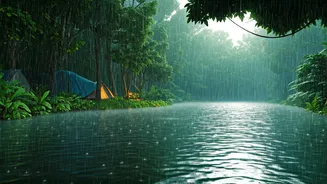
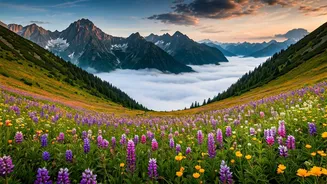
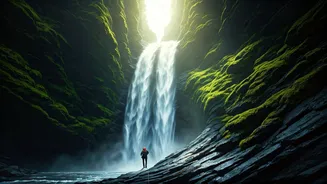
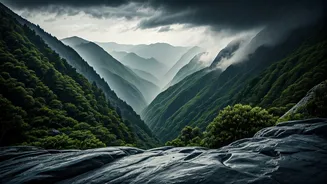
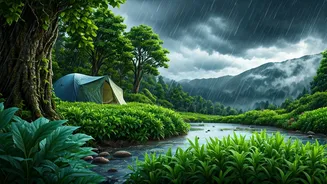
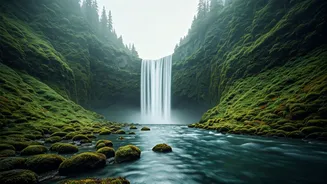
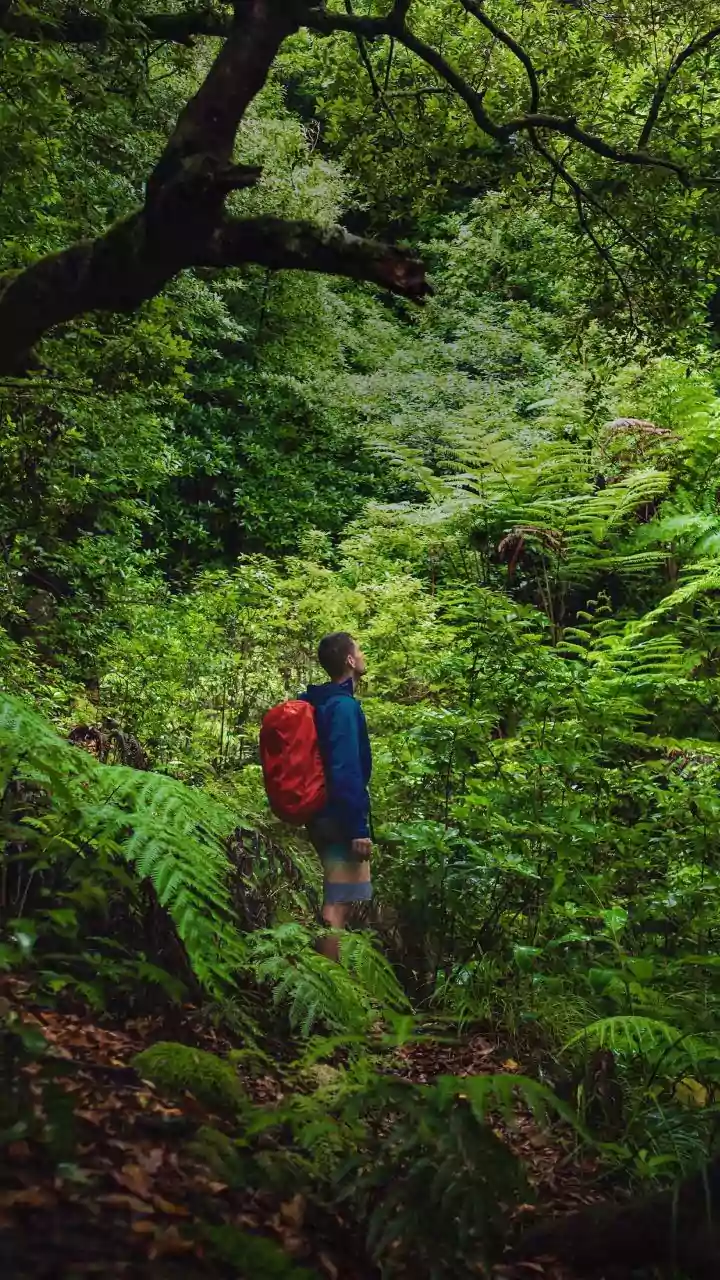
So, what's the appeal of willingly subjecting yourself to rain, mud, and slippery trails? The answer lies in the sensory overload that the monsoon brings to the Indian landscape. The air is thick with the petrichor—the earthy scent of rain on dry soil. The constant drizzle is cooling, a welcome respite from the oppressive heat that precedes the season. Every shade of green imaginable carpets the hillsides, and temporary waterfalls cascade down rock faces where there were none just weeks before. This isn't just a physical activity; it's an immersive experience. Trekkers are not merely observing nature; they are wading through it, feeling the rain on their skin, and hearing the symphony of croaking frogs and rushing streams. It’s a powerful antidote to a screen-filled life.
Not Just a Walk in the Park
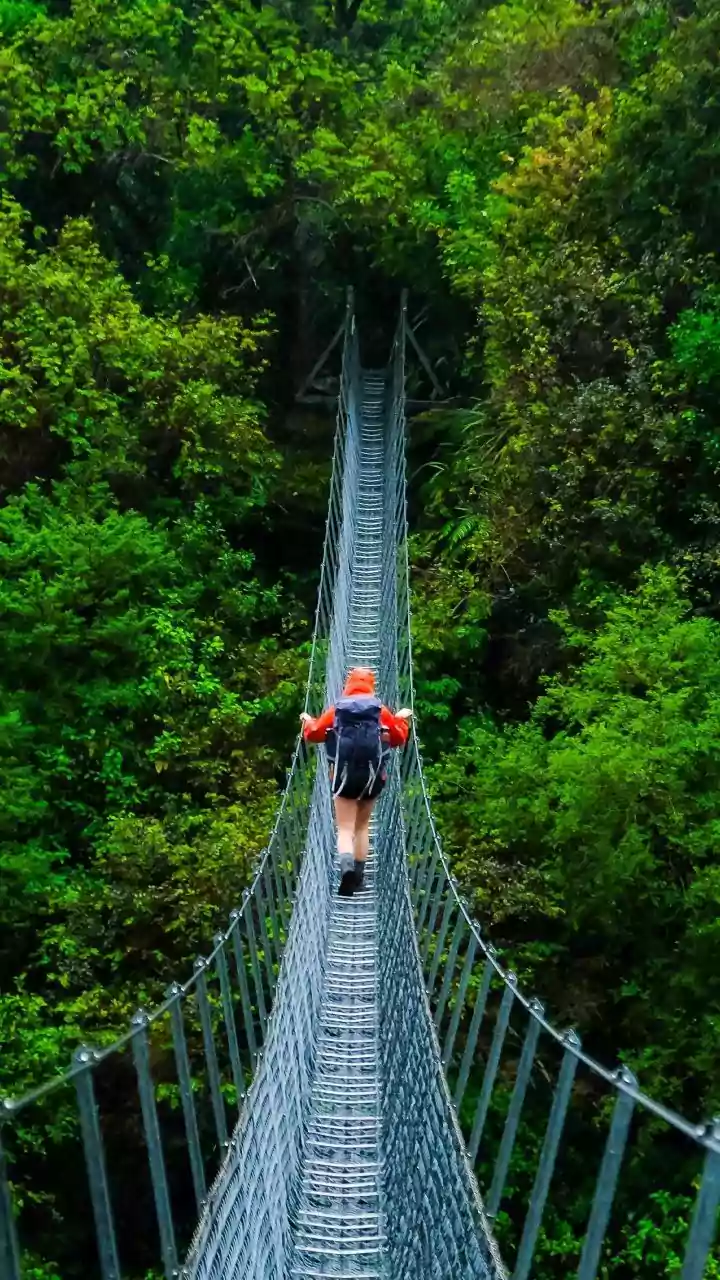
The word “challenge” in the headline is key. Monsoon trekking is not a leisurely stroll. The trails are often muddy and treacherous, demanding concentration and a steady foot. Trekkers might have to navigate slippery rock patches, cross swelling streams, and deal with the occasional leech. It’s this very difficulty that forms a core part of its allure. In a world of curated comfort, the struggle and physical exertion of a monsoon trek offer a profound sense of accomplishment. Reaching the summit of a fort like Harishchandragad or standing atop Kalsubai, the highest peak in Maharashtra, amidst swirling clouds provides a feeling of achievement that is both primal and deeply satisfying. It’s a test of endurance that leaves you feeling revitalised and alive.
Fueled by Wanderlust and Wi-Fi
It’s impossible to ignore the role of social media in popularising this trend. A quick search for hashtags like #MonsoonTrek or #WesternGhats on Instagram reveals a stunning gallery of images: trekkers posing before majestic waterfalls, drone shots of verdant plateaus, and selfies taken against a backdrop of dense fog. These visuals have created a powerful feedback loop. They inspire wanderlust and a sense of FOMO (fear of missing out), encouraging more people to try the experience for themselves. Trekking groups have mushroomed, offering organised, curated trips that make these adventures accessible even to novices. The desire to capture that perfect, shareable moment is now as much a part of the trek as the hike itself.
Before You Lace Up Your Boots
While the call of the mountains is strong, safety must always be the top priority. The same rains that create the beauty also bring risks. Flash floods, landslides, and dangerously slippery paths are real threats. Local authorities often issue advisories and sometimes temporarily close high-risk spots. It is crucial for anyone attempting a monsoon trek to be well-prepared. This means investing in proper gear, especially sturdy shoes with good grip, a waterproof jacket, and a dry bag for electronics. More importantly, it means never trekking alone. Going with a reputable trekking group or an experienced guide who knows the local terrain and weather patterns is the safest way to enjoy the magic of the monsoons responsibly.