





Beyond the Throwaway Thread
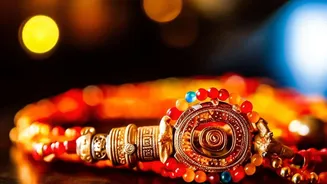
For years, the Raksha Bandhan festival has inadvertently contributed to waste. A majority of the nearly 620 million rakhis sold annually are made from non-biodegradable materials like plastic threads, synthetic beads, foil, and chemical-based adhesives.
Used for a single day, these rakhis often end up in landfills, where they can take hundreds of years to decompose, or pollute waterways, harming marine life with microplastics. This environmental cost has prompted a growing number of consumers to question the status quo. The desire for a celebration that honours both sibling bonds and the planet has paved the way for more thoughtful alternatives.
A Rakhi That Nurtures and Grows
Enter the eco-friendly rakhi, a category led by the innovative seed or plantable rakhi. These are handcrafted from biodegradable materials like organic cotton, jute, and handmade paper, with seeds of flowers, herbs, or vegetables embedded within them. After the festival, instead of being discarded, the rakhi can be planted in soil. In a few weeks, it sprouts into a living plant—a lasting symbol of a growing bond. This concept transforms the rakhi from a disposable item into a memorable and purposeful gift. Variations include rakhis made from natural materials like bamboo, terracotta, and reclaimed wood, all designed to minimise environmental impact and support artisanal communities.
Gifts That Create Lasting Memories
The shift towards sustainability extends beyond the rakhi itself to the tradition of gifting. In place of conventional material goods, 'experiential gifts' are gaining significant traction. Rather than giving another object that might gather dust, siblings are choosing to gift shared experiences that create memories. This can range from a workshop on pottery or cooking, a subscription to a favourite service, a planned weekend getaway, or tickets to a concert. Research suggests that experiences tend to foster greater happiness and social connection than material possessions. This trend reflects a broader consumer movement, particularly among younger generations, that values doing things over owning things.
Driven by a New Consciousness
This move toward sustainable celebrations is not just a fleeting trend; it is part of a larger change in consumer consciousness in India. People, especially younger demographics, are increasingly asking critical questions about what their products are made of, who made them, and where they end up. This awareness has fuelled a demand for products that are not only eco-friendly but also ethically produced, often supporting local artisans and small businesses. Choosing a handmade jute rakhi, a gift made from reclaimed materials, or an experience from a local provider becomes a statement of values. It reflects a desire to make consumption more mindful and to align festive traditions with a sense of responsibility toward the environment and community.