




Why Your Breath is a Superpower
We take about 22,000 breaths a day, mostly without thinking. Yet this simple, repetitive act holds a key to regulating our state of mind. When we feel stressed, our breathing tends to become shallow and rapid, activating the body's 'fight or flight' response.
By intentionally focusing on our breath and slowing it down, we can stimulate the parasympathetic nervous system, also known as the 'rest and digest' system. This simple shift can lower your heart rate, reduce stress hormones, and bring a sense of calm, allowing you to think more clearly. It’s not about stopping your thoughts, but about giving your mind a calm, reliable anchor to return to.
Getting Started: Your First Session
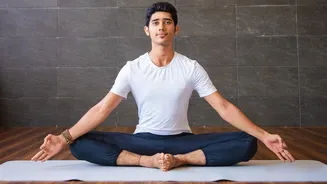
You don’t need any special equipment or a lot of time. In fact, starting with just two to five minutes a day is a great approach. First, find a comfortable and relatively quiet place. You can sit in a chair with your feet on the floor, on a cushion, or even lie down. The key is to be comfortable but alert, so try to keep your back upright but not stiff. Set a timer so you don't have to worry about the time. You can close your eyes, which helps reduce distractions, or keep them open with a soft, unfocused gaze. Give yourself permission for this short period to just be, without needing to accomplish anything.
The Basic Technique: Just Notice
The goal of breath awareness is not to control your breath, but to simply observe it as it is. Bring your attention to the physical sensations of breathing. You might notice the air feeling cool as it enters your nostrils and warm as it leaves. You could focus on the gentle rise and fall of your chest or belly with each inhale and exhale. Let your body breathe naturally. There is no 'right' way for it to be—deep or shallow, fast or slow. The practice is just to pay attention, moment by moment, to the simple, physical reality of your breath flowing in and out.
The Wandering Mind: What to Do
It is not a matter of 'if' your mind will wander, but 'when'. It is completely natural for thoughts, plans, memories, or feelings to pop up. Many beginners think they are 'failing' when this happens, but this is a misunderstanding of the practice. The real exercise is in the moment you notice your mind has wandered. When you realize you're thinking about something else, the instruction is simple: gently and without judgment, guide your attention back to the sensation of your breath. Each time you do this, you are strengthening your 'attention muscle'. The goal isn't an empty mind; the goal is the gentle act of returning.
Common Challenges and Gentle Tips
It's normal to feel fidgety, sleepy, or even frustrated when you start. If you feel restless, try focusing on the physical sensations in your body for a moment before returning to the breath. If you feel sleepy, you might try sitting in a more upright posture or practicing at a different time of day. The most important tip is to be kind to yourself. Treat your wandering mind like a puppy you are patiently training, not an adversary to be defeated. Acknowledge the thought, and then gently redirect your focus. This compassionate approach is a key part of the practice itself.