




The Sizing Maze: Why Labels Lie
If you've ever found that you're a size Medium in one brand and an Extra Large in another, you're not imagining it. There is no universal standard for clothing sizes. Brands often use different fit models based on the customers they are targeting, a practice
that leads to significant size variations. Add to that the phenomenon of 'vanity sizing', where brands label clothes with smaller sizes to make shoppers feel better, and the number on the tag becomes almost meaningless. A size 12 from several decades ago might be labelled a size 6 today. This is why relying on a letter or number is a recipe for frustration; your own measurements are the only consistent guide you have.
Your Simple Toolkit for Success
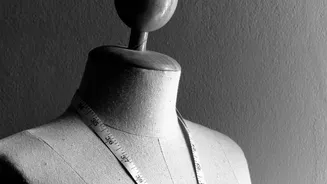
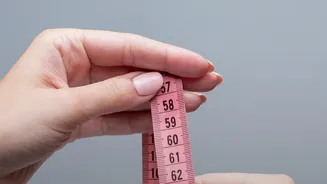
Getting started is easier than you think. All you truly need is a soft, flexible measuring tape. To get the most accurate numbers, measure over your undergarments or very light, fitted clothing. Stand straight and relaxed—don't pull the tape so tight that it pinches, and don't suck in your stomach. The goal is to capture your natural body shape. Once you have your core numbers for your bust, waist, and hips, save them in your phone's notes app for easy access anytime you shop.
Decoding Tops: Bust and Shoulders
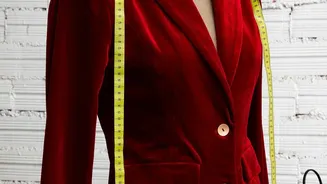
For tops, blouses, and T-shirts, the most critical measurement is the bust. Wrap the tape around the fullest part of your chest, keeping it level all the way around. This number largely determines how a shirt will fit across your torso. For more structured items like blazers and button-down shirts, shoulder width becomes important. Measure from the bone of one shoulder across your back to the other. This ensures the garment's seams sit properly and don't pull or droop.
Mastering Bottoms: Waist, Hips, and Rise
Buying pants online can feel like the final boss of internet shopping, but a few key measurements make it manageable. The three most important are the waist, hips, and inseam. For your waist, measure the narrowest part of your torso, usually just above your belly button. For your hips, measure around the fullest point. The inseam, which is the length from the crotch to your preferred hemline, dictates how long the pants will be. A fourth, often overlooked measurement is the 'rise'—the distance from the crotch seam to the top of the waistband. This tells you how high the pants will sit on your waist, which is crucial for finding that perfect high-waisted or low-rise fit.
The Perfect Dress or Jumpsuit
Dresses and jumpsuits require a combination of measurements. You’ll need your bust, waist, and hip numbers to ensure a good fit through the body. Pay close attention to which of these measurements is the determining factor for a specific style. A-line dresses are forgiving on the hips but need to fit the bust, while bodycon styles require an accurate hip measurement. Always check the garment's total length as well, to ensure it aligns with your height and style preference.
Don't Forget Fabric and Fit Style
Your measurements are half the story; fabric is the other. A garment made from a stretchy material like jersey or anything with elastane offers more flexibility, meaning you might be able to size down if you're between sizes. In contrast, non-stretch fabrics like linen, 100% cotton, or silk require a more precise fit, so you may need to size up if you're unsure. Also, consider the intended fit—a style described as 'oversized' or 'relaxed' is designed with more room, while a 'slim-fit' item is meant to be snug.