



The Two-Footed Enigma
The foundation of Ousmane Dembélé's genius is something exceptionally rare in elite football: true, profound ambidexterity. For decades, the defensive playbook against a winger has been simple: force them onto their weaker foot to limit their options.
With Dembélé, this fundamental rule becomes obsolete. He can dribble, cross, and shoot with devastating power and accuracy using either his left or right foot, a trait that makes him a tactical anomaly. Unlike many players who are merely coached to use their weaker foot, Dembélé generates nearly equal threat from both sides. This isn't just a party trick; it's a neurological advantage that shatters defensive structures. Defenders cannot give him a 'safe' side, turning every one-on-one encounter into a high-stakes guessing game that destabilises the opposition before he even makes his move.
A Nightmare for Defenders
For a full-back, facing Dembélé is a unique psychological and tactical challenge. Most wingers, even world-class ones, have predictable patterns. An inverted winger will look to cut inside, while a traditional winger will aim for the byline. Dembélé is both at once. He doesn't need to shift the ball to a preferred foot before accelerating, allowing him to feint one way and explode in the other direction in a fraction of a second. This constant doubt he creates in a defender's mind is his greatest weapon. That micro-second of hesitation is all he needs to burst past his marker, creating chaos and opening up passing lanes. His ability to go inside or outside with equal menace means that a defender is perpetually off-balance, unable to set their body position confidently. This forces opposition managers to tear up their standard defensive playbooks.
From Chaos Comes Opportunity
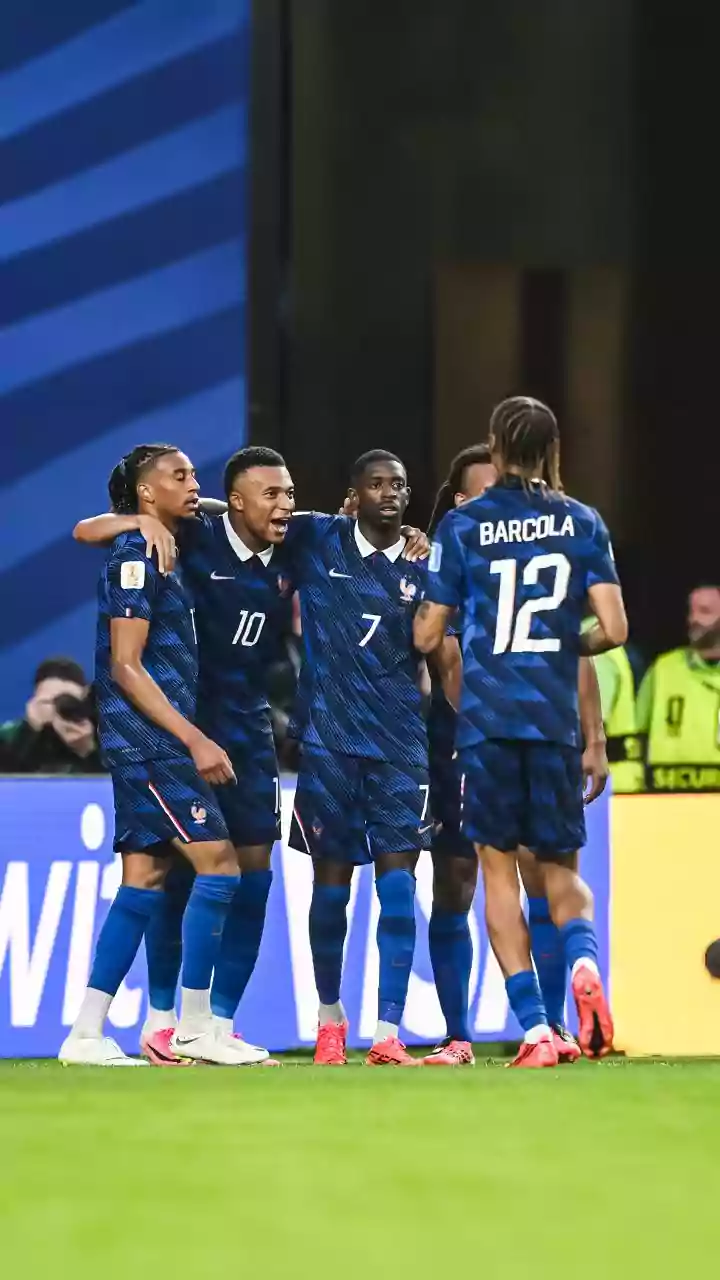
While Dembélé’s individual brilliance is mesmerising, his true value lies in how his unpredictability benefits the entire French team. His chaotic dribbling style draws multiple defenders, creating what is known as a 'gravity pull'. When two or three opponents are scrambling to contain him, vast spaces open up elsewhere on the pitch for teammates like Kylian Mbappé to exploit. Even when he doesn't directly assist a goal, his off-ball movement and the threat he poses can be just as crucial. Mbappé himself has praised Dembélé's ability to make plays fluid and create the space necessary for others to be decisive, noting that these contributions don't show up on the stat sheet but are vital for the team's success. This makes him the ultimate weapon to break down deep-lying, organised defences, a common challenge in the knockout stages of a World Cup.
The Necessary Risk
Of course, a player this instinctive and high-risk has long been criticised for erratic decision-making and a lack of consistent end product. His game is built on attempting high-difficulty passes and take-ons, which can sometimes lead to losing possession in dangerous areas. However, under coach Didier Deschamps, France seems to have embraced this calculated risk. The manager understands that to unlock Dembélé's game-changing potential, he must be given a degree of freedom. While his role for France differs from his club duties, where he has become a more central figure, his ability to inject chaos from the wing remains an essential tactical tool. Deschamps has consistently defended his winger, trusting that the moments of match-winning brilliance far outweigh the occasional misplaced pass, especially as Dembélé has matured from raw talent into a more refined tactical weapon.