





The Sunday Strategy Session
The secret to a stress-free week of meals is a solid plan. Before you even think about shopping, spend 30 minutes on a Sunday afternoon mapping out your dinners. You don't need fancy recipes. Think in terms of components: a grain, a protein, and vegetables.
A simple plan could be: dal and rice on Monday and Tuesday, vegetable wraps on Wednesday and Thursday, and a paneer stir-fry for Friday. Having a roadmap prevents impulse buys and the dreaded 'what's for dinner?' panic after a long day of classes. Tools like digital planners can help, but a simple notebook works just as well. Planning helps you use ingredients across multiple meals, which means less food waste and more money in your pocket.
Shop Smart, Not Hard
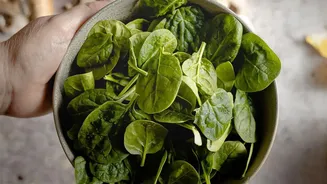
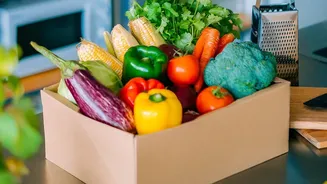
With your meal plan in hand, create a detailed grocery list. Sticking to a list is the number one rule of budget-friendly shopping. For students, it's about smart buying. Stock up on non-perishable pantry staples like lentils, chickpeas, beans, rice, and whole grains when they are on sale. These form the foundation of countless vegetarian meals. For vegetables, buy a mix of fresh and frozen. Frozen vegetables like peas, corn, and spinach are just as nutritious, often cheaper, and won't spoil if your week gets busier than expected. Don't forget the power of spices. A well-stocked spice box is essential for turning simple ingredients into flavourful Indian meals.
The 'Base and Build' Method
This is the ultimate meal prep hack. Instead of cooking five completely different meals, you prepare versatile bases that can be adapted throughout the week. On your prep day, cook a large batch of a base gravy, often a masala of onions, tomatoes, ginger, and garlic. Store this in the fridge. On Monday, you can add boiled dal to it for a quick dal fry. On Wednesday, toss in some paneer and capsicum for a simple curry. You can also pre-boil legumes like rajma and chana or cook a large batch of plain rice or quinoa. Having these core components ready cuts your daily cooking time down to just a few minutes.
Your Prep Day Workflow
Dedicate a two to three-hour block on the weekend to your prep. Start with the tasks that take the longest, like boiling dals or beans. While they cook, wash and chop your vegetables for the week. Store hard veggies like carrots and bell peppers in airtight containers. You can also prepare things like chapati dough and store it, or make chutneys and pastes that add instant flavour. This 'assembly line' approach is efficient and makes the process feel less like a chore. By the end of your session, your fridge will be full of ready-to-go components, turning nightly dinner prep into a simple assembly job.
Smart Storage for Freshness
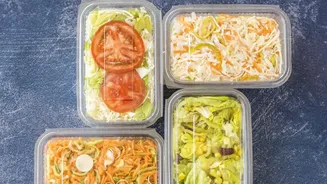
Proper storage is crucial to ensure your prepped food stays fresh and appealing all week. Invest in a good set of airtight containers, preferably glass, as they are easy to clean and don't retain odours. Portion your meals or ingredients into individual containers. This makes grabbing lunch for campus easy and helps with portion control. Label everything with the name of the dish and the date it was made. This helps you keep track of what to eat first. Keep items like chopped salad greens or fresh herbs separate to prevent them from getting soggy. Many Indian dishes, like chana masala or dal, actually taste better the next day as the flavours meld together.