







The Problem with a 'Silent Killer'
Hypertension, or high blood pressure, affects over 1.3 billion people globally and is a leading cause of heart disease, stroke, and kidney failure. [3, 6] In India, it's a major public health issue, with estimates suggesting that 188.3 million people live
with the condition. [13] The danger lies in its silence; organ damage can accumulate for years before any symptoms appear. [3] A standard blood pressure reading, while crucial for diagnosis, often fails to show the full extent of this underlying damage. [3, 6] Two patients with identical blood pressure numbers can have vastly different levels of injury to their organs and different future health risks. [3]
An AI-Powered Look Inside the Body
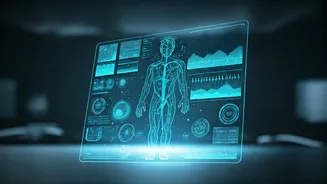
Researchers at the University of Oxford have developed an innovative solution to this problem. Different reports have referred to the technology by different names, including 'HyPrevent' and 'HyperScore', but the core function is the same. [3, 4, 7] It's an AI-driven platform that goes beyond simple blood pressure numbers. [5] Instead, it analyses vast amounts of data from multiple sources, including cardiac imaging, brain MRI scans, blood tests, and assessments of the kidneys and liver. [4, 5] By processing this complex, multi-organ information, the AI learns to spot hidden patterns of disease and damage that are invisible to conventional diagnostic methods. [3, 4]
How Does the Oxford Tool Work?
The AI tool was trained on large-scale datasets from tens of thousands of individuals, including both people with hypertension and those with normal blood pressure. [4, 5] It uses advanced machine-learning techniques to build a comprehensive picture of a person's health. [3, 7] By analysing data from heart scans, brain MRIs, and other clinical tests, the system generates a score—called a 'HyperScore'—that estimates the extent of organ damage caused by high blood pressure. [5] The research found that individuals with a higher HyperScore had a greater risk of future cardiovascular events, even when their blood pressure readings alone didn't indicate high risk. [4, 5] Interestingly, changes detected in the brain on MRI scans were found to be one of the strongest indicators of hypertension-related damage. [4, 5]
A New Era of Personalised Treatment
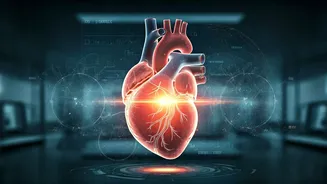
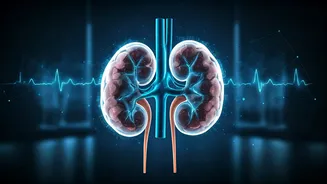
This technology marks a significant shift from a 'one-size-fits-all' approach to treating hypertension. [3] The AI was able to identify six distinct patterns, or “HyperTrajectories,” of how the disease affects the body, with some people showing damage predominantly in the heart, brain, or kidneys. [5, 14] This discovery could revolutionize patient care. By classifying patients into different subgroups, doctors may be able to tailor therapies to an individual's specific biological risk profile rather than relying solely on blood pressure targets. [3, 4] This personalised strategy could help identify high-risk patients much earlier and provide more targeted interventions, ultimately reducing the global burden of hypertension-related diseases. [3]
The Road Ahead
While incredibly promising, researchers caution that the technology is still in its early stages and not yet ready for routine clinical use in places like the UK. [4] However, the findings demonstrate the immense potential of combining AI with medical imaging to uncover the hidden effects of hypertension. [5] The development of tools like this represents an important step towards precision medicine, where treatment is customised to the individual. [4] As the technology is refined, it could lead to earlier detection of organ damage, more effective treatments, and potentially save millions of lives from the devastating consequences of uncontrolled high blood pressure. [3, 13]