




Embrace the Heritage in Your Home
In many Indian homes, antique brassware is a link to our past. These beautiful objects—be it a heavy 'uruli', a graceful 'kindi' with its distinctive spout, or a sturdy 'para' vessel—are steeped in tradition and craftsmanship. Often relegated to puja
rooms or stored away as family heirlooms, they possess a timeless charm and a burnished glow that modern decor can only dream of. Repurposing these items as plant holders is not just a design trend; it's a way to honour this heritage. It brings these artefacts out of storage and into the heart of your home, allowing their stories and beauty to shine in a new, green context. This fusion of rustic metal with living foliage creates a powerful aesthetic—a nod to tradition, sustainability, and mindful living all at once.
Choosing the Right Brass Vessel
Before you begin, selecting the right pot is crucial. Look for pieces with a wide enough mouth to accommodate a plant and its root ball. The weight and stability of the vessel are also important; a heavy-bottomed brass pot is less likely to tip over. Scour your own home for forgotten treasures, or explore antique shops and flea markets. When buying, inspect the piece for major cracks or holes that aren’t part of the design, as these could lead to leaks. Don't be deterred by a bit of tarnish or patina; this aged look is part of the charm. A shallow, wide uruli is perfect for creating a miniature water garden with floating plants, while deeper pots like a 'charukku' or a large 'lota' can house plants with more extensive root systems. The key is to see the potential beyond its original purpose.
Preparation: Protecting Pot and Plant
The biggest challenge with using antique brass pots is the lack of drainage holes and the potential for the metal to react with water and soil. Direct planting can cause water to stagnate, leading to root rot, and moisture can accelerate the corrosion of the brass. The solution is simple: don't plant directly into the vessel. Instead, treat the brass pot as a decorative cachepot—a beautiful outer sleeve for your plant. Keep your plant in its original, plastic nursery pot (or repot it into one that fits snugly inside the brass vessel). This allows you to easily remove the plant for watering, let it drain completely in a sink, and then place it back. For an extra layer of protection, you can place a small plastic saucer or a layer of gravel at the bottom of the brass pot to catch any stray drips and prevent the nursery pot from sitting in water.
The Perfect Plant Pairing
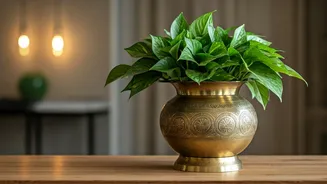
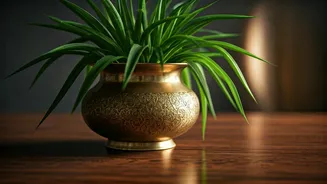
The plant you choose should complement the grandeur of the brass. For deep pots, trailing plants like Pothos (Money Plant) or Philodendrons look spectacular, with their vines spilling gracefully over the golden edges. Their hardy nature makes them an excellent choice for beginners. For a more upright, sculptural look, consider a Snake Plant (Sansevieria) or a ZZ Plant. Their architectural leaves provide a stunning contrast to the rounded shape of most brass vessels, and they are famously low-maintenance, tolerating lower light and infrequent watering. If you're using a wide, shallow uruli, you can create a 'pond' effect. Fill it with water and add floating plants like Water Hyacinth or Duckweed, or simply float flower petals and tea lights for a traditional, festive look. The key is to match the plant's needs with the placement and style you're aiming for.
Styling Your Green Masterpiece
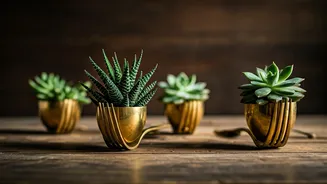
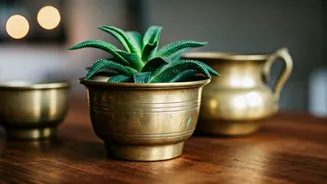
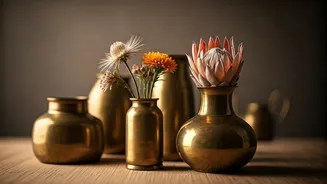
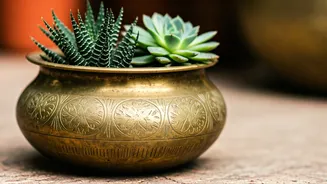
Once assembled, your brass planter is a statement piece. Give it the spotlight it deserves. A large uruli with a lush fern can become the focal point of your living room, placed on a low stool or directly on the floor. A smaller brass pot with a succulent can add a touch of green elegance to a bookshelf, study table, or kitchen counter. Group several brass planters of varying heights and sizes to create a stunning 'green corner' that feels both curated and organic. The warm glow of the brass pairs beautifully with natural materials like wood, jute, and terracotta. At night, the metallic surface will catch the light, adding a warm, ambient shimmer to your room. This simple DIY project doesn't just add a plant to your home; it adds character, history, and a touch of burnished gold.