






A New Standard for Home Records
For generations, homeownership records meant a file of legal documents: the sale deed, title insurance, and property tax receipts. While essential, these papers only tell part of the story. They say you own the house, but they don't say much about the house itself—its
quirks, its weaknesses, and its service history. In today's property market, where buyers are more informed and cautious, a simple lack of maintenance can reduce a home's value by as much as 10 percent. Creating a detailed log of your home's maintenance isn't just a good habit; it's a powerful tool for preserving value, ensuring safety, and providing peace of mind. It signals to potential buyers that a home has been responsibly managed, which can make it sell faster and for a better price. A well-documented history of repairs for systems like plumbing and electrical gives buyers confidence in what they can't see.
The Pest Dossier: Tracking Unwanted Tenants
Every homeowner dreads pests, whether it's the relentless march of termites, the scuttling of cockroaches, or the seasonal nuisance of rodents. While many states require sellers to disclose current or past infestations, a detailed pest history provides crucial context that a simple 'yes' or 'no' on a form cannot. Your pest dossier should be a comprehensive log. For every incident, record the date, the type of pest, and the areas affected. If you hire a professional, keep the invoice, the name of the company, and a detailed report of the chemicals or methods used. It’s also vital to retain any warranty or guarantee information for the treatment. This record is invaluable not only for future reference but also for potential buyers, who will appreciate the transparency. It shows you've been proactive, and it gives them a clear picture of what to monitor in the future.
The Plumbing Logbook: Charting the Flow
Water can be a home's worst enemy. A minor, undetected leak can lead to major structural damage and mould growth over time. That’s why a detailed plumbing logbook is one of the most critical records a homeowner can keep. Knowing a property's history of water damage or plumbing issues is a top concern for buyers. Start by logging every plumbing intervention. This includes routine maintenance like cleaning drains or servicing the water heater, as well as significant repairs like fixing leaks, replacing taps, or overhauling pipes. For each entry, note the date, the nature of the problem, the name of the plumber or company that did the work, and what was repaired or replaced. Keep all receipts and warranties. This detailed history can help diagnose future problems faster and provides evidence of diligent upkeep, which can reassure buyers that the home’s plumbing system has been well-maintained.
The Electrical Diary: Power, Safety, and Compliance
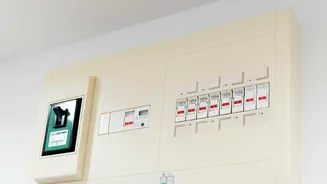
Faulty wiring is a leading cause of house fires, making the electrical system a critical area for documentation. Older homes, in particular, may have outdated systems like knob-and-tube wiring that need significant upgrades. A complete electrical history reassures buyers that the home is safe and up to code. Your electrical diary should track every update, no matter how small. This includes the installation of new light fixtures, the replacement of a circuit breaker, the addition of new outlets, or a major rewiring project. It's crucial to document whether the work was done by a licensed electrician and to keep records of any permits that were required and inspections that were passed. This documentation is not just for resale; it's vital for your own safety and for any future renovations you might plan.
From Shoebox to Smartphone: Organizing Your Records
A messy pile of receipts is better than nothing, but a well-organized system is far more effective. You can choose a method that works for you, from a simple three-ring binder with dividers for each category to a digital folder on a cloud service like Google Drive or Dropbox. For those who prefer a more tech-savvy approach, numerous home management apps like HomeZada, Centriq, and Dwellin are available. These apps allow you to create a digital inventory of your home, schedule maintenance reminders, store receipts and warranties, and track repair history all in one place. Some even use your address to populate data about your home and suggest maintenance schedules. Whichever system you choose, the key is consistency. A few minutes spent logging a repair today can save you hours of searching and thousands of rupees in the future.