







How Currency Fluctuations Impact Your Budget
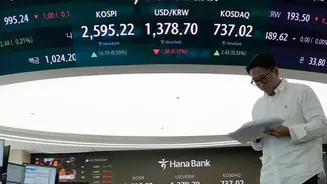
The exchange rate determines how much foreign currency you get for your rupees. When the rupee weakens against a foreign currency like the US Dollar or Euro, you need to spend more rupees to buy the same amount of foreign currency. A weaker rupee means
that everything from your hotel room and meals to shopping and sightseeing suddenly becomes more expensive. For example, a trip to the US budgeted at $2,000 would cost ₹1,90,300 if the exchange rate is ₹95.15 per dollar. If the rupee weakens to ₹97, that same trip would cost ₹1,94,000, an increase of nearly ₹4,000 without any change in your plans.
What Drives Rupee Volatility?
Several factors influence the rupee's value, making it dynamic. Key drivers include India's trade balance, which is the difference between its imports and exports. Since India imports a significant amount of goods, including about 85% of its crude oil, a higher import bill increases demand for foreign currency and can weaken the rupee. Other major factors are inflation rates, interest rate decisions by the US Federal Reserve, foreign investor activity, and global geopolitical events that can cause investors to move money to perceived safe-haven currencies like the US dollar.
Strategic Timing: When to Book and Buy
While you can't predict exchange rates with certainty, you can be strategic. It's wise to start monitoring rates as soon as you decide on a destination. If the rupee is performing strongly, it might be a good time to book flights and accommodation, as these are often priced in foreign currencies. For purchasing foreign currency, many experts suggest buying it at least a week or more before your departure. This gives you a buffer to observe rate fluctuations and buy when the rate is more favourable, rather than being forced to accept whatever rate is available on the day you fly.
Smarter Spending: Forex Cards and Cash
How you carry your money abroad is just as important as when you buy it. Relying solely on your domestic debit or credit card can be expensive, as most Indian banks charge a foreign transaction fee of 2-3.5% on every swipe. A highly recommended strategy is to use a multi-currency forex card. You can load it with foreign currency at a locked-in rate, which protects you from further fluctuations and helps you avoid high transaction fees. A good practice is the 70/30 rule: load about 70% of your budget onto a forex card for larger payments and carry the remaining 30% in cash for smaller expenses like tips, transport, or at places that don't accept cards.
Avoiding Hidden Fees at Your Destination
One of the most common traps for travellers is Dynamic Currency Conversion (DCC). When you use your card at a shop or ATM abroad, you might be offered the choice to pay in Indian Rupees instead of the local currency. While it seems convenient to see the cost in a familiar currency, this service often comes with an unfavourable exchange rate set by the merchant, which can be much higher than your bank's rate. To avoid these extra costs, always choose to pay in the local currency of the country you are in. Another tip is to avoid exchanging currency at airports, where markups can be as high as 10-15%. Instead, use authorised dealers in India before you leave or local ATMs at your destination for better rates.